iAspirants
Current AffairsPrelims PYQsUPSC CSE SyllabusUPSC CSE StrategyBlogsPricing
Login
iAspirants

Your AI-powered companion for UPSC preparation.

Quick Links

  • Home
  • About Us
  • Current Affairs
  • Prelims PYQs
  • UPSC CSE Syllabus
  • UPSC CSE Strategy
  • Blogs

Company

  • Pricing
  • FAQs
  • Contact Us
  • Login

Legal

  • Privacy Policy
  • Terms & Conditions
  • Return Policy

© 2026 iAspirants, Inc. All rights reserved.

  1. Blogs
  2. International Relations

India-China Relations Challenges Overview

Published on: 31-Oct-2026

Source: The Hindu

Share this post

India-China Relations Challenges Overview

Article Summary

Summary of India-China Relations

Managed Coexistence

  • Current state of relations between India and China is characterized as "managed coexistence."
  • Increasing border tensions lead to concerns about potential conflicts, despite the absence of formal hostilities.

Historical Context

  • The 1962 Sino-Indian War stemmed from various factors, including strategic miscalculations by Mao Zedong during the Great Leap Forward.
  • Historical grievances have persisted due to unresolved territorial disputes, notably in the regions of Ladakh and Arunachal Pradesh.

Border Disputes

  • The border in the Ladakh region continues to be a significant point of contention, influencing mutual perceptions.
  • India perceives the territorial losses as a betrayal of trust following previous friendly diplomatic sentiments ("Hindi–Chini Bhai Bhai").

Impact on Bilateral Relations

  • Frequent military encounters and "patrolling deviations" are seen as provocations, raising tensions and challenging peaceful coexistence.
  • Ongoing grievances render the bilateral relationship fragile, with distrust remaining a central issue for both nations.

Future Outlook

  • The long-term prospects for peaceful coexistence depend on resolving historical misunderstandings and territorial disputes.
  • Both nations face the challenge of ensuring stability in the region while managing territorial disagreements.

Key Points for Examination

  • Definition of "managed coexistence" in diplomatic relations.
  • Significance of the 1962 Sino-Indian conflict in current affairs.
  • The importance of border disputes in shaping national sentiment and diplomacy.
  • The effects of historical grievances on contemporary international relations between India and China.

Key Terms & Concepts

Sino-Indian conflict 1962Major historical conflict reference
Ladakh regionContentious border area
Arunachal PradeshDisputed territory with China
Mao’s Great Leap ForwardHistorical policy impacting relations
Hindi–Chini Bhai BhaiHistorical phrase symbolizing friendship

Mind Map for UPSC Civil Services Revision

Turn UPSC Civil Services Current Affairs Into Exam-Ready Notes

Reading International Relations current affairs is half the work. Revise them with ready-made notes and test what actually stuck.

  • Daily UPSC Civil Services current affairs analysis
  • Revision notes, mind maps & MCQs
  • Prelims mock tests with instant results

Related UPSC Civil Services Current Affairs Articles

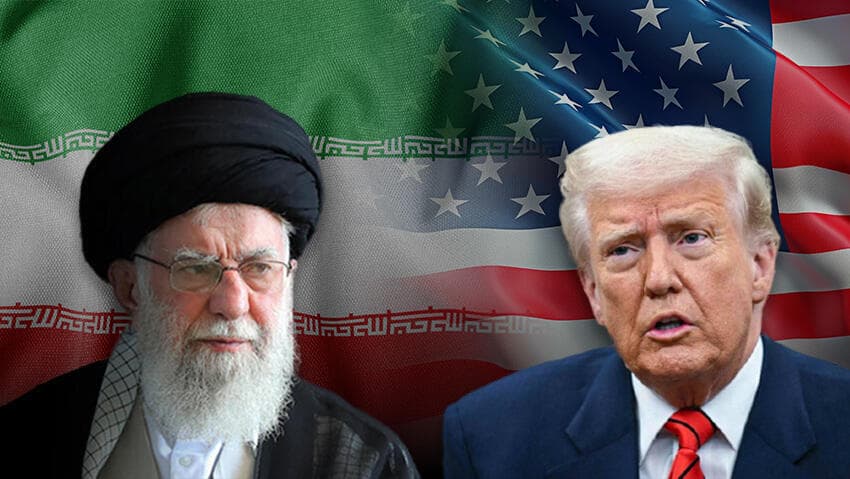
US-Iran Tensions Impact Global Energy
International Relations29-Oct-2026

US-Iran Tensions Impact Global Energy

Summary of Key Facts and Events

Dolores Huerta's Legacy

  • Dolores Huerta (co-founder of the United Farm Workers) died at age 96.
  • Key achievements: Secured better wages and working conditions for farmworkers, created the slogan “Sí, se puede” which was famously used by Barack Obama.

Middle East Tensions and Conflicts

  • Ongoing US-Iran war poses threats to global shipping, particularly through the Strait of Hormuz, critical for oil supply.
  • Reports of an oil tanker catching fire after hitting mines.
  • Increasing military actions: Houthi militia claims attacks on Saudi Arabia's oil refinery; Saudi-led coalition intercepts missiles from Houthis.

International Diplomacy Efforts

  • New draft deal presented by Qatari mediators aims to end the US-Iran conflict, focusing on mutual concerns and a seven-day timeline for confidence-building measures.
  • Recent discussions regarding the Middle Eastern conflict took place in Moscow, involving Iran, Saudi Arabia, Pakistan, and Turkey.

Economic Implications

  • Oil prices surged over 1% following attacks on Saudi infrastructure, with Brent crude reaching $115.47 per barrel.
  • The Iran war is driving an oil production and export boom across the Americas, with a projected 10% increase in production due to diversification from Middle Eastern supplies.

US Military and Strategic Actions

  • The US has issued warnings to Gulf States about possible military actions post-midterm elections against Iran.
  • An increase in military presence, including deployment of missile defense systems to prepare for potential escalations.
  • President Donald Trump's ambiguous post-election military strategy includes threats against Iran, claiming sanctions have significantly weakened its economy.

Judicial and Legislative Notes on Iran

  • An Iranian lawmaker emphasizes a need to expel US troops from the region, declaring that military resistance, not diplomacy, has been effective.
  • Iranian officials assert the country's commitment to resisting foreign military presence while calling for regional cooperation for security.

Ongoing Regional Conflicts

  • Allegations against Houthi forces for desecrating bodies of fallen soldiers, increasing the humanitarian crisis in Yemen.
  • The resurgence of missile strikes in Yemen and ongoing military disputes around the Bab al-Mandeb strait add to the volatile situation in the region.

International Agreements and Reactions

  • Iranian Foreign Ministry denounces US actions as contempt for international diplomacy, expressing dissatisfaction with US commitments to past agreements.
  • A call for serious concerted efforts by regional Islamic countries to address issues stemming from Israeli actions in the region.

Environmental and Ecological Concerns

  • The disruptions in oil supply due to the Iran conflict have long-term implications for global energy security, which could increase reliance on alternative energy sources and influence ecological policies in oil-dependent nations.

Conclusion

The geopolitical landscape in West Asia is currently marked by increased tensions between the US, Iran, and regional actors, posing significant challenges to international diplomacy and economic stability, particularly in oil supply chains.

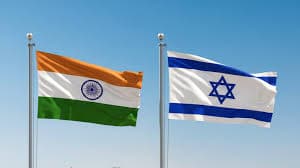
Israel Elections Impact on India-Israel Ties
International Relations27-Oct-2026

Israel Elections Impact on India-Israel Ties

Israel Elections 2026 Overview and Implications for India-Israel Relations

Key Facts and Figures

  • Date of Election: October 27, 2026.
  • Parliament Structure: The Knesset consists of 120 members.
  • Prime Minister Candidates:
    • Benjamin Netanyahu (Likud)
    • Gadi Eisenkot (Yashar, former army chief)
    • Naftali Bennett (former prime minister)

Domestic Political Landscape

  • Predictions: Pre-election surveys indicate a potential hung parliament, with no party likely to secure a majority.
  • Major Issues: Candidates focus on security, particularly concerning Iran, Hamas, and the Palestinian Authority.
    • Netanyahu emphasizes a hard stance against Hamas and opposition to Palestinian statehood.
    • Eisenkot proposes more moderate rebuilding efforts and limited engagement with the Palestinian Authority.

Implications for India

  • Core Interests:
    • Defence Cooperation: India and Israel signed a memorandum of understanding on defense cooperation in November 2025 and elevated their relationship to a “Special Strategic Partnership for Peace, Innovation, and Prosperity” during Modi's February 2026 visit.
    • Technological Collaboration: Areas of focus include artificial intelligence, cybersecurity, water management, agriculture, and space.
    • Bilateral Trade: Ongoing negotiations for a free trade agreement with regional forums like I2U2 (India, Israel, US, UAE) and the India-Middle East-Europe Economic Corridor (IMEC).

Stability of Relations

  • Continuity Assured: Regardless of the election outcome, officials suggest India-Israel relations will remain strong.
    • Mishelle Sirota (Israeli Embassy Spokesperson): Stated that diplomatic ties will not change regardless of the election results.
  • Potential Changes:
    • A new Israeli prime minister could alter the dynamics of personal rapport with Indian Prime Minister Narendra Modi but key strategic interests are expected to persist.

Other Considerations

  • Strategic Balance: India will need to navigate its defense partnership with Israel while considering broader interests in the Gulf and West Asia, particularly concerning energy supplies and regional trade.
  • Regional Context: The outcome of the elections could affect India's diplomatic priorities and responses to rising tensions in West Asia, particularly in relation to conflicts involving Iran and its allies.

Summary

The elections in Israel are pivotal for shaping the future of India-Israel relations, with anticipation of continuity in defense and technological cooperation regardless of the outcome. While Netanyahu's potential victory would likely preserve existing channels of communication between him and Modi, any change in leadership could introduce new dynamics. Ongoing bilateral trade discussions and regional initiatives further underline the strategic importance of the relationship.