iAspirants
Current AffairsPrelims PYQsUPSC SyllabusBlogsPricing
Login
iAspirants

Your AI-powered companion for UPSC preparation.

Quick Links

  • Home
  • About Us
  • Current Affairs
  • Prelims PYQs
  • UPSC Syllabus
  • Blogs

Company

  • Pricing
  • FAQs
  • Contact Us
  • Login

Legal

  • Privacy Policy
  • Terms & Conditions
  • Return Policy

© 2025 iAspirants, Inc. All rights reserved.

  1. Blogs
  2. Environment and Ecology

India Advocates for Sustainable Land Restoration

Published on: 24-Aug-2026

Share this post

India Advocates for Sustainable Land Restoration

Article Summary

Summary of Key Points from UNCCD COP 17 Conference in Ulaanbaatar, Mongolia

International Conference:

  • Event: United Nations Convention to Combat Desertification (UNCCD) 17th Conference of the Parties (COP 17).
  • Location: Ulaanbaatar, Mongolia.

Key Highlights:

  • Call for Financing: India emphasized the need for diverse, adequate, predictable, and sustainable international financing for land restoration and drought resilience.
  • Ministerial Dialogue: Environment Minister Bhupender Yadav discussed innovative financial mechanisms for healthy land and drought resilience.

Financial Framework:

  • Green Financing: Mentioned India's successful mixed green finance framework that supports climate adaptation, sustainable land use, forestry, agriculture, and biodiversity conservation.
  • Investment Perspective: Yadav stated that land restoration should be viewed as an investment in food, water, biodiversity, livelihoods, and long-term resilience rather than a cost.

Public-Private Partnerships:

  • Emphasis on the necessity of robust public-private partnerships in addressing desertification, land degradation, and drought beyond public budget allocations.

Sovereign Green Bonds:

  • Highlighted the role of sovereign green bonds as a means to raise capital for land restoration, drought resilience, sustainable forestry, and other environmental priorities.

Green Credit Initiative:

  • Introduced a market-based initiative (Green Credit) that enables public and private entities to finance the restoration of degraded forest land. Credits issued post-restoration (after five years) require achieving at least 40% forest cover density.
  • Credits can be utilized for compensatory afforestation, legal plantation, or CSR obligations.

Compensation Mechanism:

  • Discussion on India’s compensation mechanism directing payments received for land restoration towards compensatory afforestation and ecosystem restoration, integrating corporate financing within environmental regulatory processes.

Importance of Coordination:

  • Emphasized the significance of coordinating mechanisms like the Green Credit Program and compensatory afforestation fund to integrate public and private finance with citizen participation.

Commitment to Sharing Experiences:

  • India reaffirmed its commitment to share experiences, security measures, institutional arrangements, lessons learned, and areas needing improvement in land restoration and drought resilience strategies.

Evaluation of Financial Innovation:

  • Yadav concluded that the success of innovative financing should be evaluated based on its effectiveness in reaching the ecosystems and communities that need it most, ensuring sustainable restoration and resilience.

Conclusion:

The conference underscored India's proactive stance in addressing global challenges related to land degradation and drought through innovative financial mechanisms and collaborative efforts, reflecting a commitment to sustainable environmental practices.

Key Terms & Concepts

UNCCD COP 17International conference on land restoration
Bhupender YadavMinister discussing land restoration
Green BondsFinancing mechanism for restoration
Green Credit ProgramIncentive for land restoration
Climate Change AdaptationFocus area for financing
Public-Private PartnershipCollaboration for funding
Ecological RestorationGoal of financing strategies
Sustainable ForestryFocus area in financing
Biodiversity ConservationKey investment area
UlaanbaatarLocation of the conference

Mind Map for UPSC Civil Services Revision

Turn UPSC Civil Services Current Affairs Into Exam-Ready Notes

Reading Environment and Ecology current affairs is half the work. Revise them with ready-made notes and test what actually stuck.

  • Daily UPSC Civil Services current affairs analysis
  • Revision notes, mind maps & MCQs
  • Prelims mock tests with instant results

Related UPSC Civil Services Current Affairs Articles

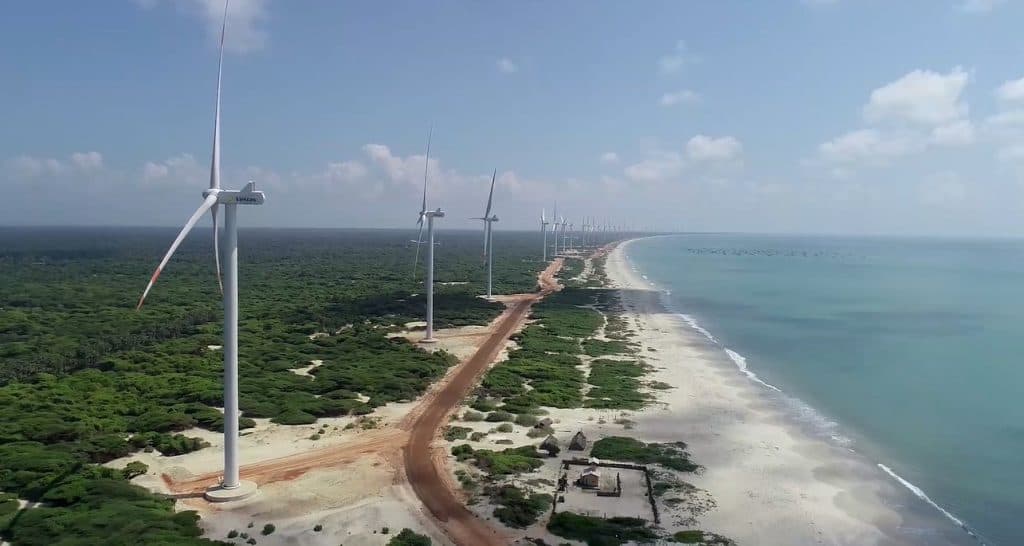
Concerns Over Renewable Energy in Mannar
Environment and Ecology25-Aug-2026

Concerns Over Renewable Energy in Mannar

Exam-Focused Notes on Sri Lanka's Renewable Energy Landscape in Mannar

Background:

  • Location: Mannar district, north-western Sri Lanka; includes a mainland and a small island, Talaimannar, near India.
  • Historical Context: Post-civil war struggles, local communities face environmental and livelihood threats amid renewable energy projects.

Renewable Energy Initiatives:

  • Wind Energy Projects:
    • Ceylon Electricity Board (CEB) initiated a wind farm in 2018, aimed to add 104 MW to the national grid with a budget of nearly $200 million, supported by an Asian Development Bank loan.
    • Current energy capacity: Total installed capacity of Sri Lanka is 6,345 MW with a peak demand of about 3,000 MW.

Government Policies:

  • Sri Lanka is targeting 70% of energy needs from renewable sources, anticipating an addition of 300 MW from renewable energy by the end of the following year.
  • The government has paused new wind projects on Mannar Island in response to local protests, emphasizing the need for community consent.
  • Ongoing Projects: Local firms (Hayleys Fentons, WindForce, Vidullanka) hold bids to implement currently approved wind projects.

Local Community Concerns:

  • Environmental Impact: Residents experience climate-related issues (flash floods, coastal erosion), linking these concerns to renewable projects despite lacking scientific proof.
  • Noise and Health Issues: Residents report disturbances from wind turbines and fear health impacts on vulnerable populations (pregnant women, children).
  • Complaints regarding government transparency over project details and environmental assessments.

Legal and Economic Aspects:

  • Controversy arose over a $500 million, 500 MW project by Adani Green, which faced legal challenges and was eventually withdrawn in February 2025.
  • Economic Strain: The government spends up to 30% of foreign reserves on fuel imports, aiming to reduce this to 10%.

Activist Perspectives:

  • Advocacy for comprehensive environmental risk assessments due to the cumulative impact of multiple projects.
  • Concerns over the lack of independent environmental impact studies and community engagement in project planning.

Key Figures:

  • President: Anura Kumara Dissanayake has mandated consent from local populations before future projects are initiated.
  • Human Rights Activists: Local voices are working to ensure community needs and environmental considerations are prioritized in development agendas.

International Context:

  • India is executing a hybrid renewable project on nearby islands with an $11 million grant.
  • As countries face energy crises, Sri Lanka’s shift to renewables highlights the tension between development and environmental stewardship.

Conclusion:

  • The situation in Mannar exemplifies the challenges in balancing green energy ambitions with local community rights and environmental sustainability. Further studies and transparent dialogues are necessary to ensure mutual benefits for development and ecological health.
Dredging to Control Invasive Mussels
Environment and Ecology25-Aug-2026

Dredging to Control Invasive Mussels

Summary of Key Points

Environmental Management Initiative

  • Project Overview: The Water Resources Department (WRD) in Tamil Nadu is engaged in dredging operations in the Ennore backwaters to combat the invasive Charru mussel (Kakka Azhi), negatively impacting the wetland ecosystem and local fishing activities.
  • Funding Source: The project is financed by the Tamil Nadu Generation and Distribution Corporation.

Litigation and Regulatory Framework

  • National Green Tribunal (NGT): The dredging work is a response to an NGT directive for the management of invasive species, signifying the legal framework protecting environmental interests.

Dredging Operations

  • Execution Plan: Dredging has been initiated in phases across Kattupalli and Puzhuthivakkam, focusing on impacted areas.
    • Completed Work: 1,700 meters completed in the previous year.
    • Ongoing Work: Current dredging covers an additional 1,700 meters and a 500-meter branch channel.
  • Dredging Depth: Efforts are targeting a depth of up to one meter since March of this year, and measures have been put in place to dispose of sediments and invasive species safely.

Community Involvement

  • Local Concerns: Fishing communities have expressed the need for continuous monitoring and supervision during dredging, emphasizing that one-time measures will not yield sustainable results.
  • Proposal for Monitoring: Residents are advocating for regular assessments of the mussel infestation and measures to identify and mitigate the underlying causes of the proliferation.

Research and Studies

  • Inter-Departmental Collaboration: The Fisheries Department is currently undertaking a study to explore effective eradication strategies for the invasive species and to address a recent mass fishkill in the Kosasthalaiyar river.

Future Recommendations

  • Preventive Measures: Residents have called for authorities to assess the factors contributing to the invasive species' spread and implement comprehensive preventive strategies.
  • Community Engagement: The local community has requested to be included in the supervisory process to safeguard critical breeding grounds affected by the dredging activities.

Conclusion

The initiative undertaken by the WRD reflects ongoing efforts to manage environmental concerns related to invasive species while highlighting the importance of community engagement and the need for continuous monitoring and preventive actions to ensure the sustainability of local ecosystems.

Urgent Action Needed for River Pollution
Environment and Ecology25-Aug-2026

Urgent Action Needed for River Pollution

  • Environmental Concern: M.A. Mohan, spokesperson for BJP in Mysuru, highlighted the severe pollution of Indian rivers from untreated sewage and industrial effluents.

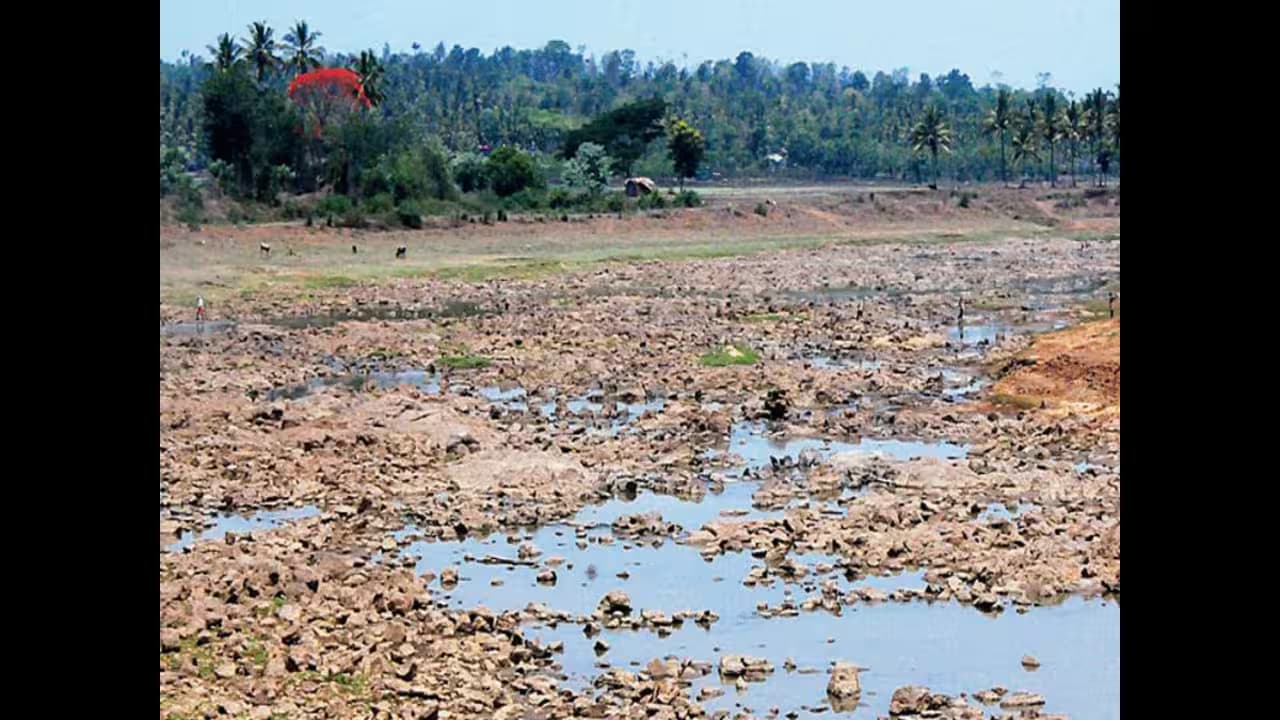
  • Kabini River: The letter emphasized the Kabini River as a prime example, which supplies drinking water to Mysuru and experiences pollution from Saragur and commercial establishments.

  • Drought Impact: Recent drought conditions revealed record low water levels in the Kabini reservoir, exposing polluted riverbeds and stagnant stretches of water, demonstrating environmental stress.

  • Population at Risk: The population of Saragur town is approximately 50,000, adding urgency to address sewage discharge issues affecting drinking water and ecosystems downstream.

  • Ecologically Sensitive Regions: The Heggadadevanakote region, traversed by the Kabini, is ecologically significant due to its dense forests and tribal habitats, necessitating heightened environmental protection.

  • Policy Proposal: Mohan proposed mandatory treatment of wastewater for all urban local bodies and industries near rivers through Sewage Treatment Plants (STPs) or Effluent Treatment Plants (ETPs) before discharge.

  • Monitoring and Enforcement: Advocated for strict monitoring, regular inspections, and stringent penalties for non-compliance to ensure adherence to water treatment policies.

  • Pilot Project Suggestion: Requested the launch of a pilot project on the Kabini to establish a comprehensive river pollution prevention model, which could be replicated across major river basins in India.

  • Public Health and Biodiversity: Emphasized the connection between river health, public health, agricultural viability, and biodiversity conservation, urging for immediate action to protect these vital ecosystems.

  • Long-term Sustainability: Mohan’s initiative underscores the importance of safeguarding rivers for the health of future generations, agriculture, wildlife, and forest conservation.

India's Land Restoration Commitment Highlighted
Environment and Ecology24-Aug-2026

India's Land Restoration Commitment Highlighted

Summary of Key Points on Land Restoration and Environmental Policies from UNCCD COP17

Event: United Nations Convention to Combat Desertification (UNCCD) COP17
Location: Ulaanbaatar, Mongolia
Key Speaker: Bhupender Yadav, Union Minister for Environment, Forest and Climate Change, India

Land Restoration Achievements

  • Restoration Area: India has restored 21.76 million hectares of land from 2011 to 2020.
  • Employment Generation: This restoration has created approximately 1.22 billion person-days of employment.
  • National Priority: Land restoration is emphasized as a national priority integral to sustainable land management, biodiversity conservation, climate change mitigation, and rural development.

Commitments and Framework

  • Bonn Challenge: India is a leading signatory, initially committing in 2015 to restore degraded and deforested land, later increasing the target to 26 million hectares by 2030.
  • Second Progress Report: Recently released, covering the restoration activities during 2011-2020.
  • Evaluation Metrics: The evaluation goes beyond land area to include restoration in forests, agriculture, and water conservation, focusing on ecological and socio-economic characteristics of landscapes.

Future Directions

  • Next Reporting Cycle (2021-2025): Aims to strengthen the national evidence base for restoration, focusing on three dimensions: restored area, financial flows, and employment generated.
  • Multi-Sectoral Approach: A multi-sectoral and landscape-based approach will be developed for effective implementation of restoration commitments.

Government Schemes and Initiatives

  • Green India Mission: Enhancing forest and tree cover, ecosystem services, and resilience to climate change.
  • Compensatory Afforestation Fund Management and Planning Authority: Allocating resources for afforestation and related restoration activities.
  • Urban Forestry Initiatives: Through the Nagar Van Scheme, promoting restoration in urban and peri-urban landscapes.

Collaborative Efforts

  • Emphasizes the need for coordination across local communities, states, and the central government for effective restoration efforts.
  • Stresses the importance of innovative financing mechanisms, knowledge sharing, and continuous local community involvement to enhance restoration outcomes.

Conclusion

  • Long-term Goals: Beyond merely restoring land, India aims for improved restoration quality, financing, and measurable sustainable outcomes.
  • Commitment to International Partnerships: India is dedicated to working with international partners to advance large-scale restoration efforts, highlighting the role of strong institutions and sustained funding in achieving ambitious restoration commitments.

Constitutional and Policy References

  • Constitutional Provisions: Implicit alignment with the Directive Principles of State Policy (DPSP) promoting environmental sustainability and conservation.
  • International Collaboration: Commitment to global environmental agendas and partnerships in land restoration initiatives.

This summary encapsulates the critical aspects of India's commitments and actions towards land restoration and sustainable environmental management as highlighted during the UNCCD COP17.

Landslide in Guinea Claims Lives
Environment and Ecology24-Aug-2026

Landslide in Guinea Claims Lives

Landslide Incident in Guinea

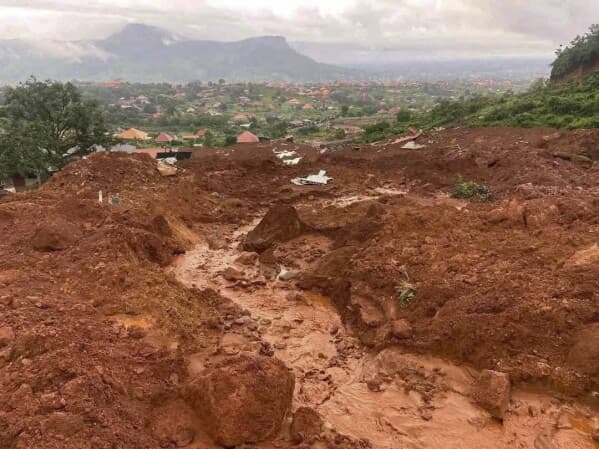
  • Event Details: On August 23, 2026, a landslide at a landfill in Conakry, Guinea, resulted in 30 fatalities, with 6 individuals seriously injured and 16 others sustaining lighter injuries. The disaster occurred around 2 a.m. in the Gbessia commune, reportedly large enough to engulf multiple structures, including a building.

  • Government Response:

    • Djenab Toure, Guinea’s Minister of Territorial Administration, announced plans to close the landfill due to safety concerns exacerbated by the ongoing rainy season.
    • The government committed to relocating waste outside the capital to mitigate future risks.
  • Economic Context:

    • Guinea is rich in natural resources, holding the world's largest bauxite reserves and significant untapped iron ore deposits, particularly at Simandou, where a major mining project was initiated in November 2025.
    • Despite these resources, the country faces infrastructural challenges and poverty, with approximately 3.7 million out of 15.1 million citizens living below the poverty line, defined as earning less than $4.20 per day, according to an April World Bank report.
Impact of Climate and Electricity Issues
Environment and Ecology23-Aug-2026

Impact of Climate and Electricity Issues

The content provided primarily narrates personal experiences and reflections on weather and living conditions rather than delivering key facts, statistics, policies, or international events relevant to examinations. However, there are several themes that can be distilled for study:

Climate Change & Weather Patterns

  • El Niño Effect: Mentioned as a contributor to erratic weather patterns globally.
  • Impact of Heavy Rains: Causes destruction, fatalities, and disruptions in daily life.

Energy and Electricity

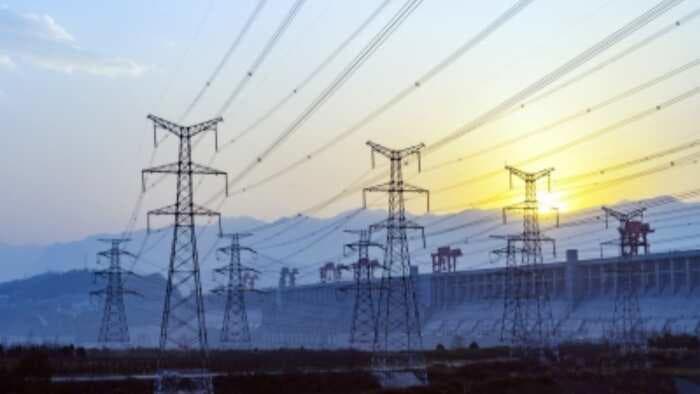
  • Electricity Supply Challenges: Highlights frequent power outages and dependency on electricity for cooling.

Historical Living Conditions

  • Traditional Housing: Use of thatched roofs and natural ingredients for construction and cooling.
  • Community Bonding during Construction: Collective activities around home building and maintenance, showing strong social ties.

Agriculture and Nature

  • Local Flora: Mango and cashew trees are part of community life, serving both practical and social purposes (e.g., shade and fruit consumption).

Local Cultural Practices

  • Community Lifestyle: Improved bonding and traditional practices with communal meals and social interactions around everyday tasks.

Additional Notes

  • While the narrative includes reflections on indoor climate management (use of AC and fans), it serves more to illustrate personal discomfort rather than technical advancements or governmental policies.

  • The details on past living conditions serve as cultural insight rather than pertinent data points or governmental activities directly related to current socio-economic indicators.

Conclusion

The recognized themes touch upon crucial societal issues involved with climate adaptation, energy policy dependence, and traditional lifestyles. However, for exam relevance, detailed data, constitutional references, and specific policies related to energy, climate adaptation strategies, or community development schemes could not be deduced from the provided text. Thus, more focused sources would be necessary for robust study material in these areas.

  • Social Impact: The emotional toll on affected families is profound, illustrated by the tragic account of a mother who lost all five of her children in the disaster.

  • Disaster Management: Ongoing rescue operations are in effect to search for survivors, reflecting the need for improved disaster response mechanisms in the context of natural calamities exacerbated by environmental conditions.

  • This incident underscores the pressing issues of urban planning, waste management, and disaster preparedness within the context of Guinea's socioeconomic challenges.