iAspirants
Current AffairsPrelims PYQsUPSC CSE SyllabusUPSC CSE StrategyBlogsPricing
Login
iAspirants

Your AI-powered companion for UPSC preparation.

Quick Links

  • Home
  • About Us
  • Current Affairs
  • Prelims PYQs
  • UPSC CSE Syllabus
  • UPSC CSE Strategy
  • Blogs

Company

  • Pricing
  • FAQs
  • Contact Us
  • Login

Legal

  • Privacy Policy
  • Terms & Conditions
  • Return Policy

© 2025 iAspirants, Inc. All rights reserved.

  1. Blogs
  2. Biodiversity

Impact of Human Noise on Gibbons

Published on: 16-Sep-2026

Share this post

Impact of Human Noise on Gibbons

Article Summary

  • Biodiversity and Ecosystems

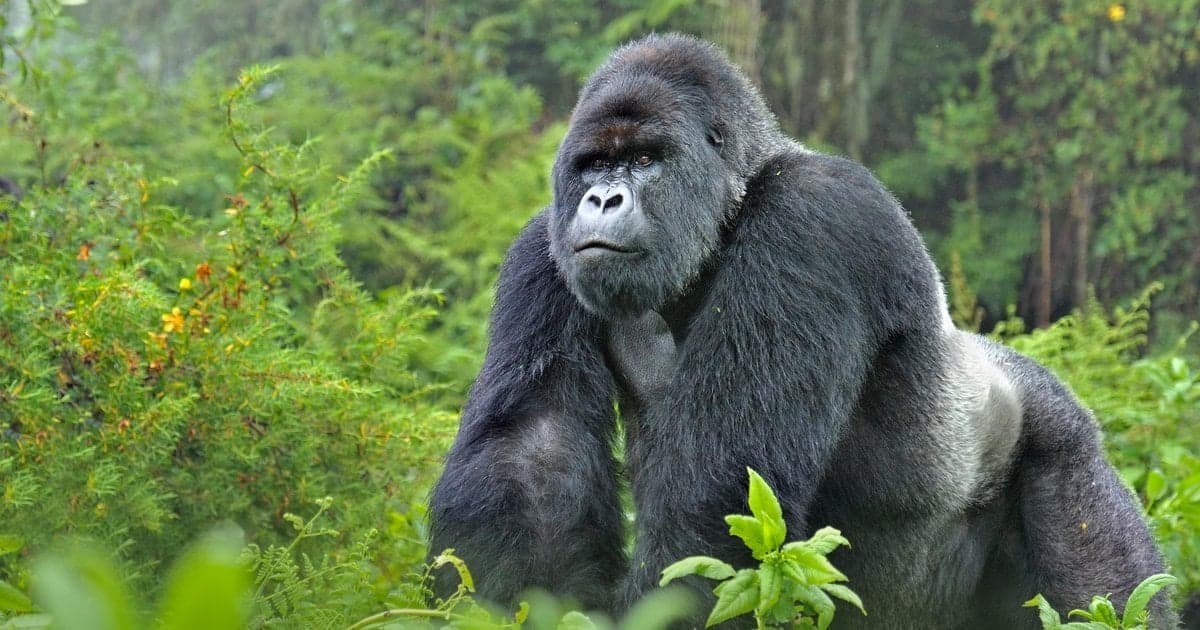
    • Study on dark lar (white-handed gibbon) in Malaysia conducted by an international research team.
    • Dark lar vocalizations compared to an opera singer’s range; plays a crucial role in communication within its species and alerts other species about dangers.
    • Increased proximity to human settlements leads to reduced vocalizations, impacting the social dynamics of gibbons and their interactions with other species.
  • Impact of Human Activity

    • Constant noise pollution from human civilization disrupts natural communication among wildlife, particularly social animals.
    • Reduced alarm calls from gibbons affect other species, which rely on these calls to alert them of predators, potentially destabilizing the ecosystem.
  • Conservation Concerns

    • The phenomenon indicates broader environmental issues related to human encroachment and habitat disturbance. The loss of natural vocal signals could contribute to a decline in biodiversity.
  • Ecological Relationships

    • Dark lars serve not only their species but act as a keystone species affecting numerous other animals, including deer, vultures, and dung beetles.
  • Challenges to Biodiversity

    • Increasing human population and urban development leads to a fragmented ecosystem, making it vital to consider wildlife conservation strategies to mitigate these impacts.
  • Cultural and Ethical Considerations

    • The situation emphasizes the importance of balancing human growth and presence with wildlife conservation. Maintaining biodiversity is essential for the health of ecosystems.
  • Future Directions

    • Further research is needed to understand long-term effects of human-induced noise on wildlife behavior and community dynamics, potentially guiding conservation policies and practices.

This summary presents focused notes on the environmental and biological implications highlighted by recent research regarding the dark lar gibbon, linking human activity with ecological stability and biodiversity preservation.

Key Terms & Concepts

Dark Lar (white-handed gibbon)Affected species vocalization
MalaysiaLocation of research
The GuardianSource of research report
Traffic noiseDisruptor of animal communication
Social animalsGroup impacted by noise

Mind Map for UPSC Civil Services Revision

Turn UPSC Civil Services Current Affairs Into Exam-Ready Notes

Reading Biodiversity current affairs is half the work. Revise them with ready-made notes and test what actually stuck.

  • Daily UPSC Civil Services current affairs analysis
  • Revision notes, mind maps & MCQs
  • Prelims mock tests with instant results

Related UPSC Civil Services Current Affairs Articles

Impact of Bamboo Mass Flowering
Environment and Ecology15-Sep-2026

Impact of Bamboo Mass Flowering

Key Points from the Study on Bamboo Mass Flowering

  1. Ecological Impact:

    • Synchronous mass flowering of bamboo can lead to multiple ecological issues, including:
      • Invasive weed outbreaks
      • Increased wildfires
  • Rodent population surges
  • Heightened human-elephant conflicts
  • Bamboo's Role:

    • Bamboo regulates tropical forest microclimates and carbon cycles.
    • Monocarpic life cycle: Bamboo flowers every 40-120 years, leading to mass die-offs that expose large areas of the forest floor.
  • Consequences of Bamboo Die-off:

    • Forest Canopy Collapse:
      • Dramatic loss of canopy creates light gaps, raising temperature and moisture loss.
    • Invasive species takeover:
      • Invasive plants like Senna spectabilis, Mikania micrantha, and Lantana camara can dominate, preventing native species' regeneration.
      • Senna spectabilis releases toxic chemicals that hinder native plant growth.
  • Impact on Wildlife:

    • Significant food shortages for Asian elephants (Elephas maximus) due to loss of bamboo, leading to increased human-elephant conflicts.
    • Elephants may move into agricultural areas, causing crop damage and threats to human safety.
  • Rodent Population Explosion:

    • Mass flowering provides abundant food, resulting in increased rodent populations, which can move to agricultural lands post-event.
    • Risks of zoonotic infections rise, similar to historical Mautam famines in Northeast India.
  • Fire Hazards:

    • Accumulation of dead bamboo increases wildfire risks, damaging the forest ecosystem and hindering recovery processes.
  • Management Recommendations:

    • Transition from reactive to anticipatory landscape-level planning to mitigate the impacts of mass flowering.
    • Maintain diverse bamboo cohorts to avoid simultaneous flowering and die-off.
    • Implement pre-emptive measures like clearing dead bamboo to reduce fire risks.
    • Develop compensatory foraging corridors for elephants to navigate human-dominated areas safely.
  • Constitutional and Legislative Context:

    • Need for wildlife authorities to integrate ecological management practices aligned with environmental protection regulations and biodiversity conservation principles.
  • Study Publication:

    • Conducted by Dr. T.V. Sajeev of the Kerala Forest Research Institute, published in Frontiers in Ecology and Evolution.
  • Conclusion

    The study emphasizes the need for proactive measures to counter the ecological chain reactions that occur due to bamboo mass flowering. It highlights the interplay between ecological health and human-elephant interactions, urging for integrated planning and management strategies in forest ecosystems, particularly in regions like India where biodiversity and agriculture are closely linked.

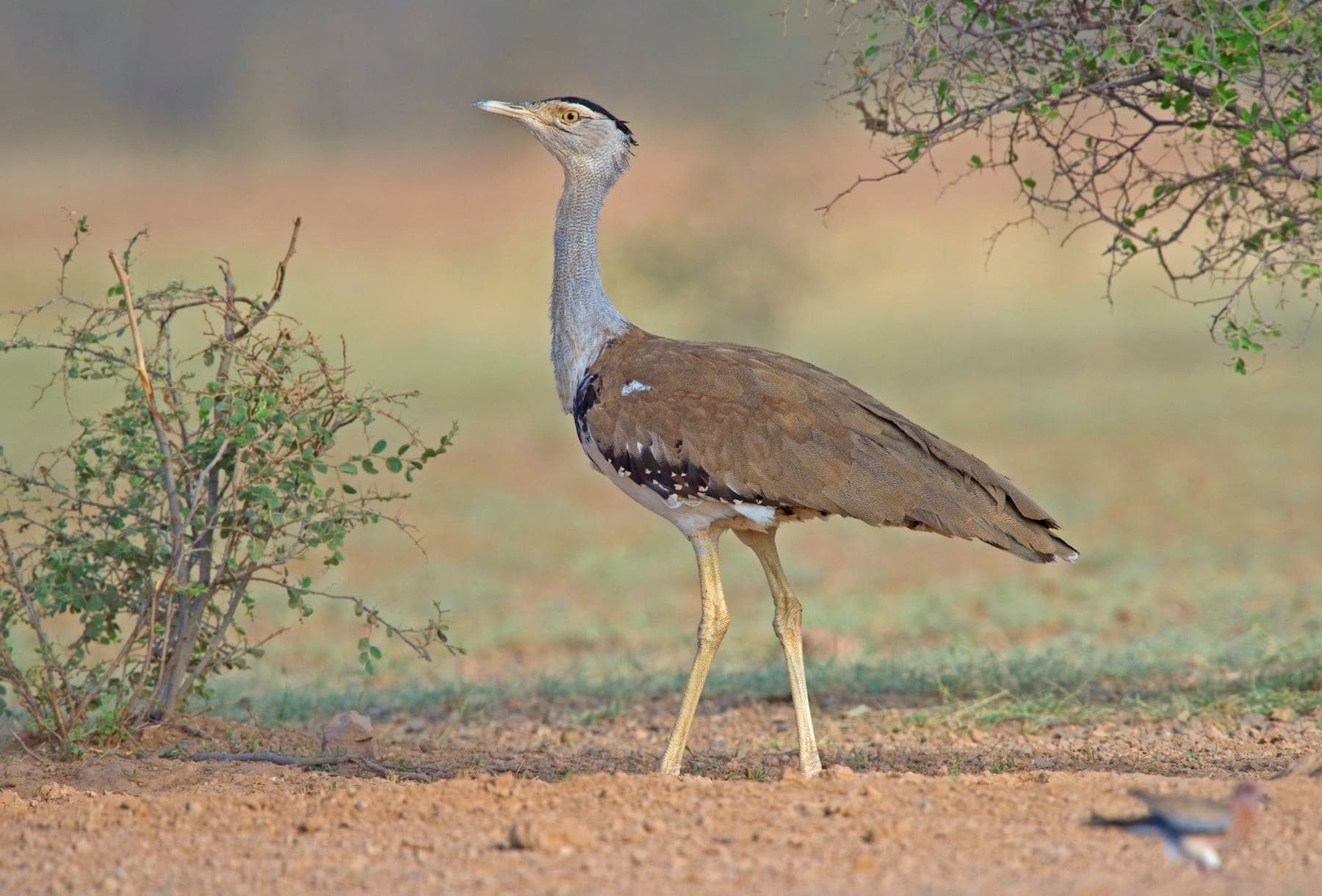
    Conservation Efforts for Great Indian Bustard
    Environment and Ecology14-Sep-2026

    Conservation Efforts for Great Indian Bustard

    Summary of Key Facts and Initiatives

    1. Great Indian Bustard Conservation

    • Ministerial Visit: Union Environment Minister Bhupender Yadav visited the Great Indian Bustard habitat in Naliya, Kutch, Gujarat.
    • Soft Release Centre: Inaugurated a Soft Release Centre specifically for the endangered Great Indian Bustard (GIB), which is critical for monitoring and adapting GIBs to their natural environment.
    • Conservation Efforts:
      • Focus on comprehensive habitat management and protection measures.
      • Restoration of approximately 11 square kilometers of grassland affected by Prosopis juliflora (an invasive species).
      • Construction of anti-predator fencing over a 30-kilometer stretch to protect GIBs.
      • Innovative breeding program replacing infertile eggs with viable ones, successfully resulting in chicks surviving beyond three months in the wild.

    2. Government Schemes and Initiatives

    • Van Kavach: A model for dense, biodiversity-rich forest development using the Miyawaki method, covering 9.46 square kilometers.
      • Over 10,000 native plant species planted, aimed at improving local climate, groundwater recharge, and providing habitats for wildlife.
    • MISHTI Program: Mangrove Initiative for Shoreline Habitats & Tangible Incomes, aimed at large-scale mangrove restoration.
      • Target of 29,250 hectares from 2023-24 to 2026-27; 27,652 hectares already completed, including 12,450 hectares in Kori Creek.
      • Establishment of 3.49 lakh mangrove seedlings at Jakhau Mangrove Nursery.

    3. Community Engagement

    • Minister interacted with local communities, emphasizing the importance of community-led stewardship in conservation efforts.
    • Engaged with beneficiaries of environmental initiatives, promoting local participation in GIB conservation.

    4. Environmental Impact

    • The Van Kavach initiative is expected to reduce local temperatures by 1.5 to 2 degrees Celsius, prevent soil erosion, and enhance biodiversity.
    • Mangrove restoration efforts contribute to coastal protection, livelihood improvement, and biodiversity conservation.

    5. Economic and Ecological Significance

    • GIB serves as a cultural symbol and plays a crucial role in maintaining the ecosystem of arid regions in India.
    • The initiatives are expected to foster environmental tourism and education, contributing to local economies.

    6. Judicial and Policy Framework

    • The conservation efforts align with India’s commitment to biodiversity preservation and sustainable environmental practices, as reflected in various national policies and international environmental agreements.

    This summary encapsulates the ongoing efforts and initiatives in Gujarat aimed at conserving the Great Indian Bustard and enhancing local biodiversity through community engagement and governmental support.

    Indo-German Forum on Climate Resilience
    National and International Importance14-Sep-2026

    Indo-German Forum on Climate Resilience

    Indo-German Environment Forum Highlights

    Background

    • Event: Fourth Indo-German Environment Forum
    • Date: September 1
    • Focus: Climate change and biodiversity conservation

    Key Issues

    • Global environmental crises have escalated since the first forum in 2008.
    • Deteriorating political climate due to wars, tariffs, and market protectionism affecting multilateralism.
    • India faces challenges of energy poverty and aims to decarbonize its economy.
    • Recent extreme weather events: Hottest summer recorded in Western Europe, heatwaves across India, water shortages, and severe flooding in Assam and Nepal.

    International Agreements

    • Adoption of the Paris Agreement for climate goals.
    • Implementation of the Kunming-Montreal Global Biodiversity Framework.
    • The BBNJ Agreement for the protection of high seas.

    India-Germany Relations

    • Strategic partnership celebrated 75 years; diplomatic relations established in March.
    • 2022: Launch of the Partnership for Sustainable Green Development.
    • Commitment reaffirmed by Prime Minister Modi and Chancellor Merz during a meeting in January 2023.

    Future Initiatives

    • Cabinet minister-level consultations are planned for 2027 in Berlin.
    • Declaration of Intent signed to enhance cooperation on wetland protection.

    Private Sector Involvement

    • Over 2,000 German companies operate in India, with nearly 75% expecting rising sales this year.
    • Importantly, more than 60% are focused on manufacturing for local demand.
    • Partnership example: BHEL and Thyssenkrupp Nucera.

    Economic Implications

    • Environmental technology development and circular economy encouraged by the Free Trade Agreement (FTA).
    • Focus on decarbonization of industries: green steel and low-carbon cement.
    • Municipalities in both countries collaborating on waste management and recycling innovations.

    Renewable Energy Targets

    • India sets ambitious targets for:
      • Solar energy expansion
      • Green hydrogen production
      • Growth in domestic manufacturing of green technologies.

    Technical Cooperation

    • Development of standardised recycling systems and financing solutions involving digital traceability chains.
    • Joint initiatives for integrating renewable energy and forming green industrial clusters aim to reduce emissions.

    Conclusion

    • The Indo-German collaboration at the fourth Environment Forum underscores a mutual commitment to address climate challenges while fostering sustainable economic growth, emphasizing multilateralism, and promoting environmental technologies.