iAspirants
Impact of Bamboo Mass Flowering
Published on:
Share this post
Article Summary
Key Points from the Study on Bamboo Mass Flowering
Ecological Impact:
- Synchronous mass flowering of bamboo can lead to multiple ecological issues, including:
- Invasive weed outbreaks
- Increased wildfires
- Rodent population surges
- Heightened human-elephant conflicts
- Synchronous mass flowering of bamboo can lead to multiple ecological issues, including:
Bamboo's Role:
- Bamboo regulates tropical forest microclimates and carbon cycles.
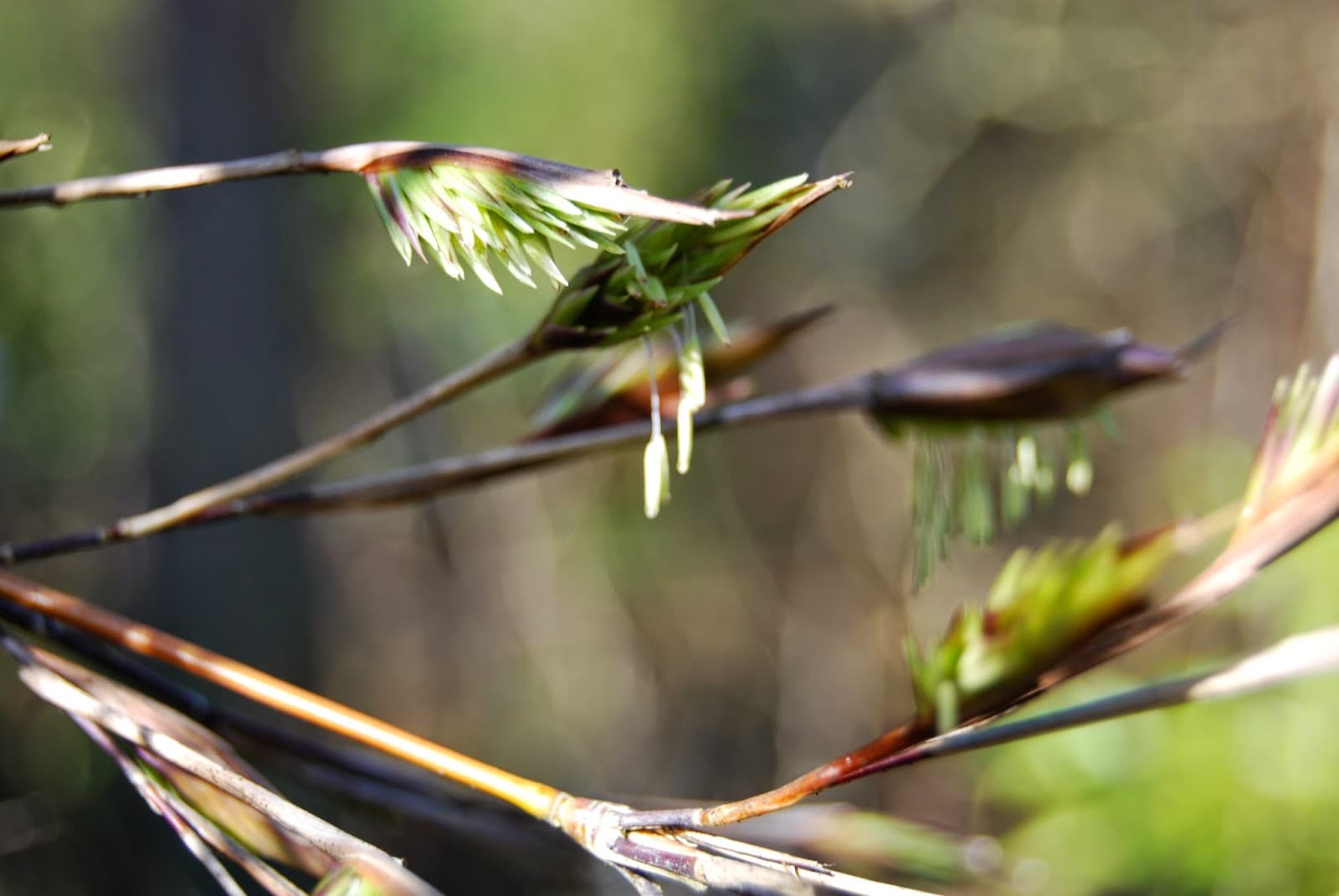
- Monocarpic life cycle: Bamboo flowers every 40-120 years, leading to mass die-offs that expose large areas of the forest floor.
Consequences of Bamboo Die-off:
- Forest Canopy Collapse:
- Dramatic loss of canopy creates light gaps, raising temperature and moisture loss.
- Invasive species takeover:
- Invasive plants like Senna spectabilis, Mikania micrantha, and Lantana camara can dominate, preventing native species' regeneration.
- Senna spectabilis releases toxic chemicals that hinder native plant growth.
- Forest Canopy Collapse:
Impact on Wildlife:
- Significant food shortages for Asian elephants (Elephas maximus) due to loss of bamboo, leading to increased human-elephant conflicts.
- Elephants may move into agricultural areas, causing crop damage and threats to human safety.
Rodent Population Explosion:
- Mass flowering provides abundant food, resulting in increased rodent populations, which can move to agricultural lands post-event.
- Risks of zoonotic infections rise, similar to historical Mautam famines in Northeast India.
Fire Hazards:
- Accumulation of dead bamboo increases wildfire risks, damaging the forest ecosystem and hindering recovery processes.
Management Recommendations:
- Transition from reactive to anticipatory landscape-level planning to mitigate the impacts of mass flowering.
- Maintain diverse bamboo cohorts to avoid simultaneous flowering and die-off.
- Implement pre-emptive measures like clearing dead bamboo to reduce fire risks.
- Develop compensatory foraging corridors for elephants to navigate human-dominated areas safely.
Constitutional and Legislative Context:
- Need for wildlife authorities to integrate ecological management practices aligned with environmental protection regulations and biodiversity conservation principles.
Study Publication:
- Conducted by Dr. T.V. Sajeev of the Kerala Forest Research Institute, published in Frontiers in Ecology and Evolution.
Conclusion
The study emphasizes the need for proactive measures to counter the ecological chain reactions that occur due to bamboo mass flowering. It highlights the interplay between ecological health and human-elephant interactions, urging for integrated planning and management strategies in forest ecosystems, particularly in regions like India where biodiversity and agriculture are closely linked.
Key Terms & Concepts
| Kerala Forest Research Institute | Conducted the study |
| Frontiers in Ecology and Evolution | Published the study |
| Western Ghats | Region impacted by bamboo collapse |
| Senna spectabilis | Invasive plant species identified |
| Elephas maximus | Affected primary consumer |
| Rattus and Melomys | Rodent species population growth |
| Mautam famines | Historical reference to famine |
| Allelopathic compounds | Chemicals affecting native plants |
| Wildfires | Potential ecological disaster |
| Bamboo masting | Phenomenon causing ecological shifts |
| Multiple lineages of bamboo | Recommended conservation strategy |
| Landscape-scale planning | Recommended for wildlife management |