iAspirants
ICAR Develops Pigeonpea Reference Genome
Published on:
Share this post
Article Summary
Summary of ICAR's Genome Research on Pigeonpea Development
Key Achievements:
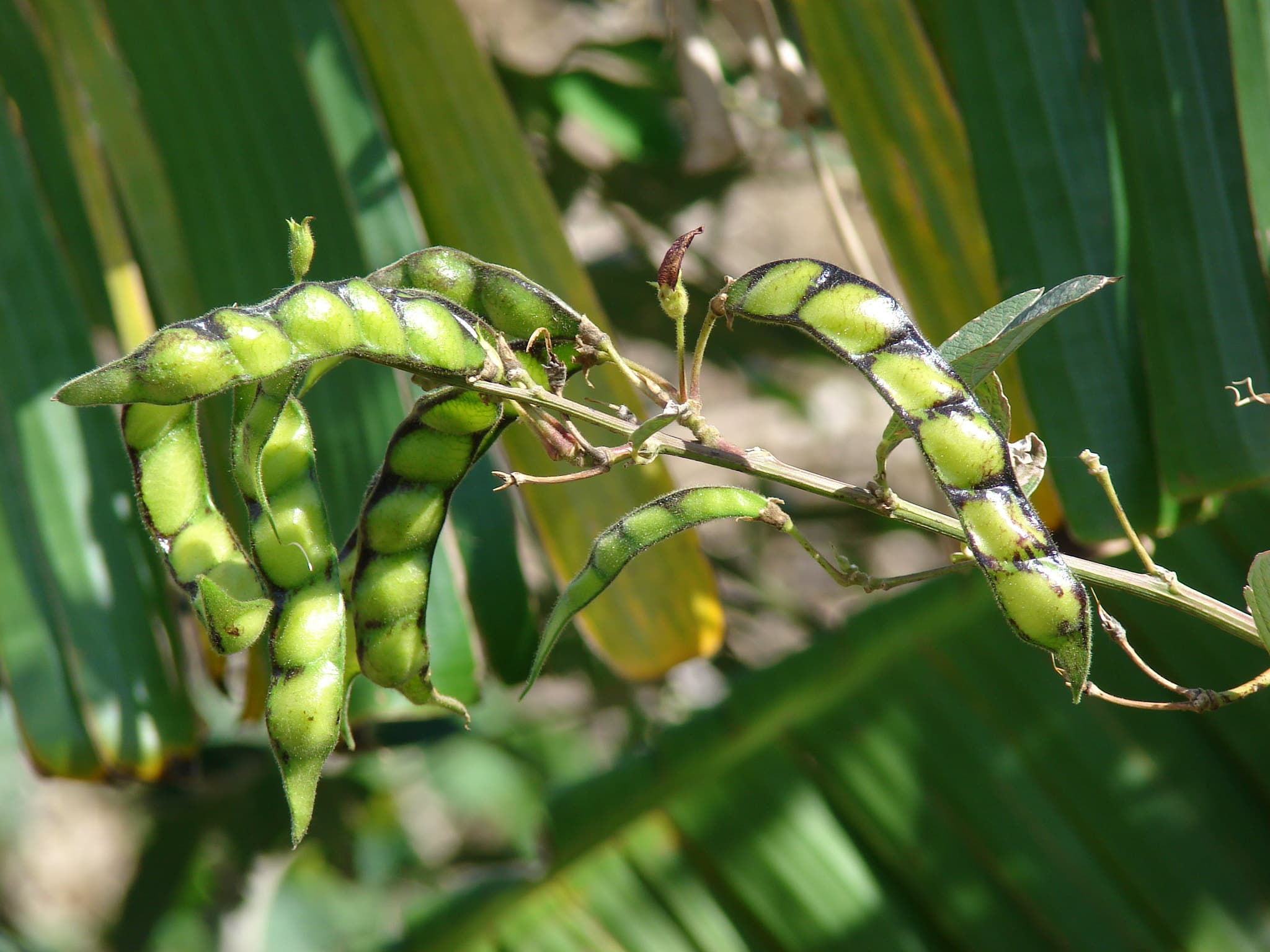
- The Indian Council of Agricultural Research (ICAR) has developed India's first fully annotated Telomere-to-Telomere (T2T) reference genome for Pigeonpea (Cajanus cajan L. Millsp.), specifically the variety 'Asha'.
- This genome has been recognized as a global reference genome for Pigeonpea, paving the way for the development of climate-resilient, high-yield, and nutritious pigeonpea varieties.
Scientific Details:
- The T2T genome sequence comprises 752.65 million base pairs organized into 92 contigs, representing all 11 chromosomes of the pigeonpea.
- The genome assembly, designated as NIPB_CcT2T_4, includes all centromeres and telomeres, reflecting its completeness.
- A comprehensive genomic annotation identified 36,557 genes, resulting in 48,008 mRNA coding sequences, with over 99.9% read alignment in transcriptome mapping confirming the genome's high accuracy.
Importance for Agriculture:
- Pigeonpea is a critical pulse crop in India, serving as a major dietary protein source and playing a vital role in food and nutrition security.
- This genome project enhances India's self-reliance in pulses and supports national agricultural research ecosystems.
Government Initiatives:
- The Indian government has initiated the "Mission for Self-Reliance in Pulses" (2025-26 to 2030-31) aimed at achieving self-sufficiency in pulse production and reducing import dependency.
- The mission's target is to increase pulse production to approximately 35 million tons by 2030-31 through improved seeds, extension services, and technology adoption.
Role of ICAR:
- ICAR plays a pivotal role in developing high-yielding, pest-resistant, and climate-resilient pulse varieties.
- It conducts breeder seed production monitoring, multi-location trials, and provides scientific support for advanced production techniques and technology dissemination to farmers.
Economic and Nutritional Impact:
- The advancements in pigeonpea genomics are expected to boost productivity, enhance farmers' livelihoods, and contribute significantly to India's food and nutrition security.
Reference:
- The genome assembly is accessible in the global database (NCBI) under accession number GCF_000230855.1.
- Link to the Reference Genome: NCBI Pigeonpea Genome
This summary encapsulates the significant advancements made by ICAR in pigeonpea genomics, the implications for agricultural productivity, and the government's strategic initiatives to enhance pulse production in India.
Key Terms & Concepts
| ICAR | Developed genomic resources |
| Cajanus cajan L. Millsp. | Species of Pigeonpea |
| T2T reference genome | Genome sequencing technology |
| 752.65 million base pairs | Size of genome sequenced |
| 36,557 genes | Identified in genome annotation |
| 48,008 mRNA | Coding sequences obtained |
| 20 April 2026 | Release date of genome assembly |
| Mission for self-reliance in pulses | Government initiative |
| 35 million tons | Targeted pulse production by 2030-31 |
| NCBI | Global database for genome |