iAspirants
Current AffairsPrelims PYQsUPSC CSE SyllabusUPSC CSE StrategyBlogsPricing
Login
iAspirants

Your AI-powered companion for UPSC preparation.

Quick Links

  • Home
  • About Us
  • Current Affairs
  • Prelims PYQs
  • UPSC CSE Syllabus
  • UPSC CSE Strategy
  • Blogs

Company

  • Pricing
  • FAQs
  • Contact Us
  • Login

Legal

  • Privacy Policy
  • Terms & Conditions
  • Return Policy

© 2025 iAspirants, Inc. All rights reserved.

  1. Blogs
  2. Polity and Governance

Governance Issues in Indian Universities

Published on: 09-Sep-2026

Share this post

Governance Issues in Indian Universities

Article Summary

Exam-Focused Summary Notes

Constitutional References

  • Academic Freedom: Although not explicitly mentioned in the Indian Constitution, academic freedom is critical for effective university governance. Comparative analysis highlights provisions in various countries:
    • Article 5(3) of German Basic Law: Guarantees the right to scientific freedom.
    • Japan, South Africa, Portugal, and Spain have similar constitutional protections for academic freedom.
    • Article 137 of the Basic Law of Hong Kong: Protects institutional autonomy and academic freedom.

Judicial Interventions

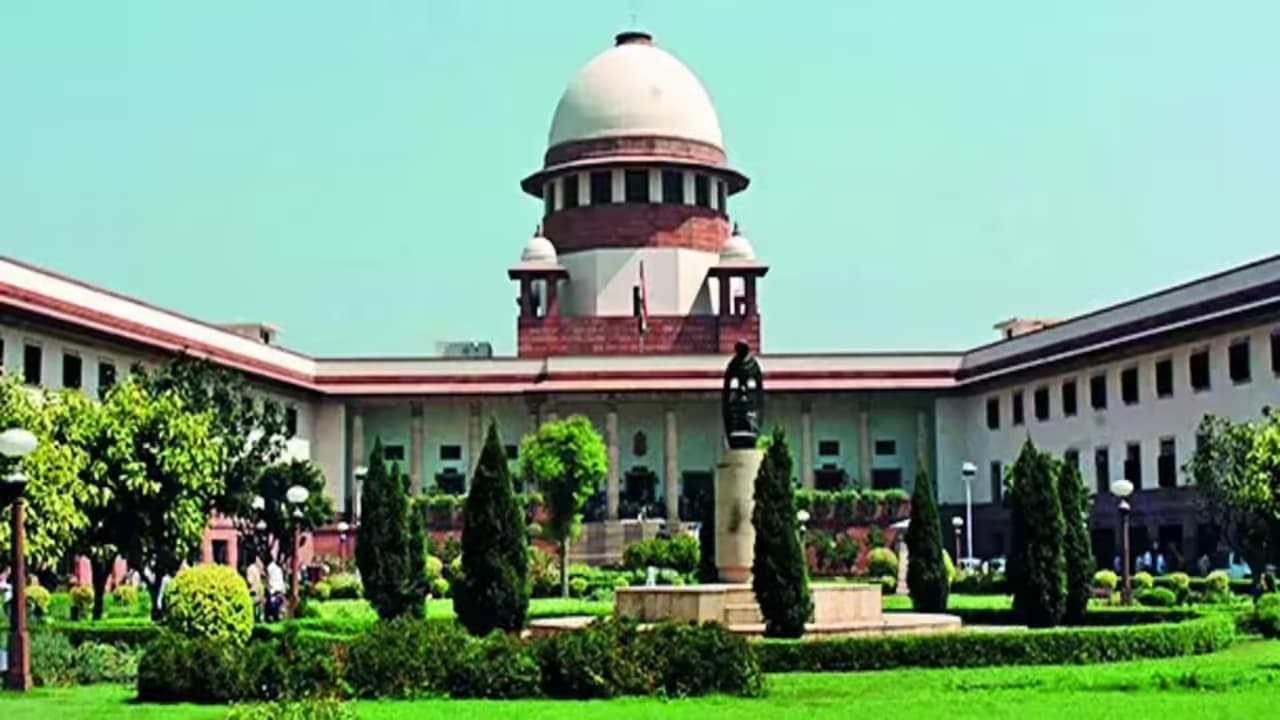
  • Supreme Court Ruling: Chief Justice of India (CJI) Surya Kant intervened to:
    • Stay the Bar Council of India (BCI)'s order impacting NALSAR graduates.
    • Quash FIRs against protesting students.
    • Reduce the three-year practice condition for judicial services examination aspirants to one year.

Government Schemes and Policies

  • National Education Policy (NEP) 2020: Aims for 6% GDP investment in education, yet public investment currently hovers around 4%-4.1%. A gap exists in achieving these targets, particularly in higher education funding.

Economic Data and Indicators

  • Investment in Education: Declining public investment is evident with higher education receiving the smallest share. Infrastructure issues are prevalent in universities, including shortages of hostels and vacant faculty positions, leading to systemic challenges in higher learning.

Issues in Higher Education

  • Student Protests: Increasing dissatisfaction among students is linked to:
    • Governance deficits in universities.
    • The control model of administration limiting academic freedom.
    • Lack of student participation in decision-making processes.

Governance Models

  • Liberty Model vs. Control Model:
    • A proposed 'liberty model' encourages student involvement in governance, allowing open discussions and decision-making inclusivity.
    • Current control models are criticized for their top-down approaches, which hinder innovation and genuine academic inquiry.

Challenges in Administration

  • Vice-Chancellor Appointments: Concerns over meritocracy and integrity in faculty recruitment highlight systemic flaws. Allegations surround improper appointment practices and examination paper leaks.

International Challenges

  • Global Context: Academic freedom faces adversity worldwide, as seen in:
    • Weaponization of federal funding in the U.S. influencing university culture.
    • Funding cuts affecting research areas like climate change.

Recommendations

  • Universities must prioritize student engagement to enhance dialogue, trust, and a sense of community. Transitioning to a model valuing academic freedom and student governance is essential in addressing current frustrations and protests.

This summary encapsulates the essential themes, policies, and structural challenges faced within the Indian higher education system, suggesting potential pathways for reform through enhanced student involvement and governance.

Key Terms & Concepts

Chief Justice of IndiaIntervened in student protests
Bar Council of IndiaDisciplinary authority over students
NALSAR graduating batchProtesting students affected
Article 5(3) of German Basic LawGuarantees scientific freedom
Delhi UniversityDropped controversial curriculum
National Education Policy 2020Promises 6% GDP investment
4%-4.1% public investmentCurrent education funding level
Vice-ChancellorGovernance model leader
liberty model of governanceProposed student-centric governance
Aligarh Muslim UniversityOlder institution with student role

Mind Map for UPSC Civil Services Revision

Turn UPSC Civil Services Current Affairs Into Exam-Ready Notes

Reading Polity and Governance current affairs is half the work. Revise them with ready-made notes and test what actually stuck.

  • Daily UPSC Civil Services current affairs analysis
  • Revision notes, mind maps & MCQs
  • Prelims mock tests with instant results

Related UPSC Civil Services Current Affairs Articles

High Court Quashes NSA Detention Case
Polity and Governance10-Sep-2026

High Court Quashes NSA Detention Case

Summary of Key Facts and Developments

Judicial Rulings:

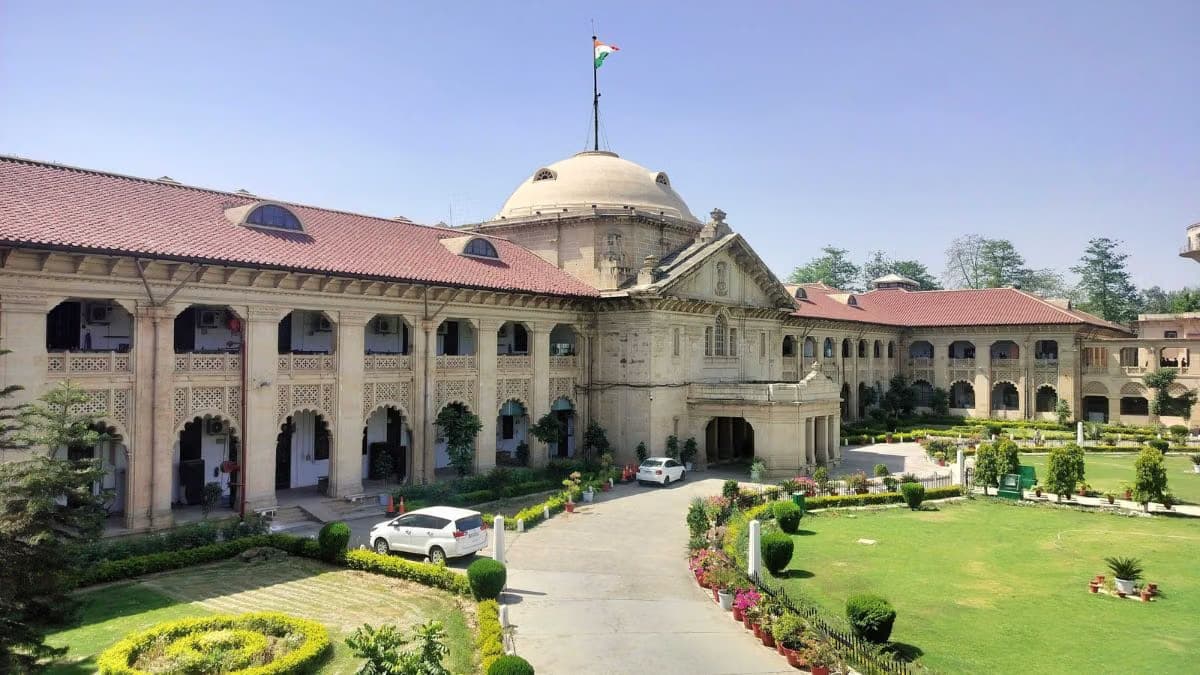
  • Allahabad High Court Judgment: On September 2, 2026, the Allahabad High Court quashed the detention of Akriti Chaudhary under the National Security Act (NSA), criticizing the Noida administration's actions as an "abuse of the draconian preventive detention law."
  • Compensation Ordered: The court mandated a compensation of ₹5 lakh for Chaudhary, to be deducted from the salaries of the officers responsible for her detention.
  • Judges Involved: The ruling was passed by Justices Atul Sreedharan and Achal Sachdev, highlighting the court's strong stance against arbitrary executive action.
  • Constitutional References:

    • The case raises important issues related to Article 21, which guarantees the right to life and personal liberty, and the implications of preventive detention laws in a democracy.

    Context of Detention:

    • Chaudhary's arrest was linked to protests involving industrial and contractual workers in Noida demanding higher wages and wage parity with Haryana, during which alleged violence occurred on April 13, 2026.
    • Police claims of evidence against Chaudhary were deemed unsubstantiated by the court, noting discrepancies in the timeline of allegations and her custody.

    Government Schemes and Policies:

    • The protests reflect ongoing issues with labor rights, wages, and conditions faced by workers in Noida. The economic and social conditions underline systemic challenges faced by employees in the region, exacerbated by prevailing government policies favoring capital owners.

    Worker Protests:

    • Between April 10 and 18, 2026, a significant protest was held by workers in Noida, highlighting the struggle for better employment conditions and rights.

    Broader Implications:

    • The court's intervention serves as a critical reminder of the role of judiciary in safeguarding democracy against the misuse of executive power. It reflects a potential shift in favor of protecting civil liberties and supporting lawful dissent against oppressive governance.

    Continued Legal Battles:

    • Despite the quashing of NSA charges, Chaudhary faces challenges as she is implicated in 11 other cases, indicating a potentially protracted legal struggle to secure her rights and freedom.

    Conclusion

    The case illustrates the tension between state authority and individual rights, shedding light on critical issues surrounding worker rights, preventive detention laws, and the efficacy of judicial intervention in a democratic society.

    Objections to IFS Appointments in Rural Development
    Polity and Governance10-Sep-2026

    Objections to IFS Appointments in Rural Development

    • Departmental Responsibilities: The Rural Development and Panchayat Raj Department is tasked with implementing government development and welfare schemes in rural areas, which includes infrastructure creation (bridges, roads), and provision of essential services (drinking water, sanitation, housing).

    • VB-G RAM-G Scheme: An integral program aimed at enhancing rural development initiatives.

    • Recruitment and Appointments:

      • Concerns have been raised regarding the appointment of Indian Forest Service (IFS) officers as project directors within the District Rural Development Agency at the rank of Additional Collector (Development).
      • These appointments were made in Kanniyakumari and Theni districts as of July 2026.
    • Concerns Raised:

      • Officers from the Rural Development department argue that IFS officers lack the training necessary for effective public interaction required in rural development.
      • Historical perspective: IAS officers have typically filled such roles, leading to smoother engagement with the community.
    • Promotional Issues: The appointment of IAS and IFS officers is perceived to hinder the promotion prospects of existing department staff who were recruited through the Tamil Nadu Public Service Commission. Established staff, some with 7-8 years of service, report uncertainty regarding their career advancements.

    • Official Petitions: Rural Development officials have submitted various petitions seeking resolution to the ongoing issues related to appointments and promotions within their department.

    This summary encapsulates the core issues related to departmental governance in rural development, highlighting the implications of inter-departmental appointments on employee morale and administrative efficiency.

    India's PM Shri School Initiative
    Polity and Governance09-Sep-2026

    India's PM Shri School Initiative

    Summary of PM Shri Scheme for Schools

    Overview:

    • Launched on September 7, 2022, the PM Schools for Rising India (PM Shri) scheme aims to develop over 14,500 model schools in line with the National Education Policy (NEP) 2020.
    • Total financial allocation: ₹27,360 crores for the period of 2022-23 to 2026-27.

    Objectives:

    • Equip students with 21st-century skills.
    • Enhance infrastructure, pedagogy, inclusivity, and sustainability in schools.
    • Create a conducive learning environment for holistic student development.

    Progress:

    • As of July 2026, 13,092 schools have been selected across 36 states/UTs, achieving around 90% of the target.
    • Beneficiary students: Over 2 million expected to benefit directly from the scheme.

    Selection Process:

    • Schools undergo a three-stage "Challenge Mode" selection process based on predetermined quality standards.
      1. MoU Signing: States/UTs sign MoUs with the central government for necessary support.
      2. Identification of Eligible Schools: Schools identified through U-DISE+ data based on minimum criteria.
      3. Challenge-based Selection: Schools compete to meet the standards, with inspections confirming compliance.

    Key Features:

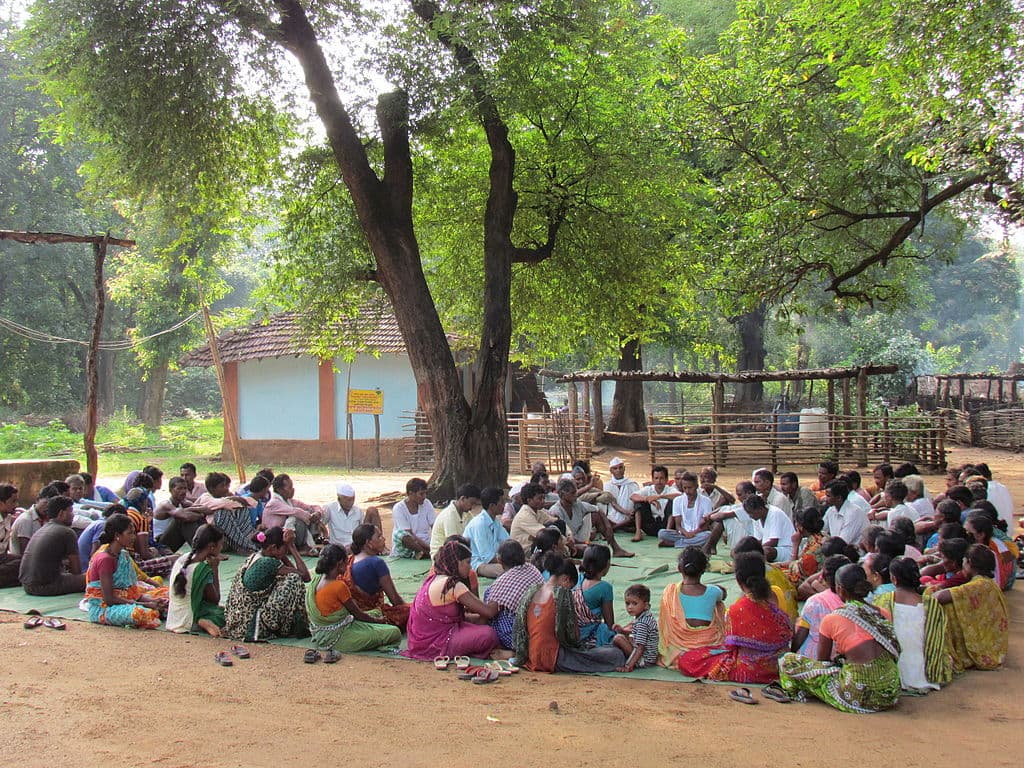
    • Inclusivity and Equality: Focus on providing quality education to diverse backgrounds, enhancing accessibility in rural and marginalized communities.
    • Technology Integration: Emphasis on ICT facilities, smart classrooms, and digital learning platforms to foster a modern educational environment.
    • Quality Infrastructure: Schools evaluated on safety, accessibility, and adequate facilities.
    • Experiential Learning: Promotion of active participation in learning, including play-based and experiential methods.

    National Education Policy (NEP) 2020 Alignment:

    • The scheme operationalizes NEP 2020 principles by shifting towards a holistic, inclusive, and future-ready educational framework.
    • Curriculum aligns with the 5+3+3+4 structure outlined in NEP.

    Financial Investment:

    • Central government allocation for the scheme is ₹18,128 crores, with an increase from ₹2,520 crores in 2023-24 to ₹5,224 crores in 2026-27, reflecting a 107% increase.

    Expected Outcomes:

    • Establishment of model schools that serve as benchmarks for quality education.
    • Development of responsible and skilled citizens contributing to a just and inclusive society.
    • Continuous professional development for teachers and school leaders to enhance educational standards.

    Geographical Reach:

    • The scheme covers 725 districts and 8,340 blocks/urban local bodies, demonstrating a wide institutional and regional presence across India.

    Constitutional References:

    • The scheme aligns with the Fundamental Right to Education under Article 21A of the Indian Constitution, emphasizing the right to free and compulsory education for children aged 6 to 14 years.

    Conclusion: The PM Shri scheme represents a significant transformation in India's school education system, focusing on quality, inclusivity, and future readiness, while operationalizing the principles of NEP 2020 through a structured and well-funded approach.

    Allahabad High Court Ruling on Slogans
    Polity and Governance08-Sep-2026

    Allahabad High Court Ruling on Slogans

    Summary of Key Points from Allahabad High Court Ruling

    Judicial Ruling:

    • Court: Allahabad High Court
    • Judge: Justice Ashutosh Srivastava
    • Case: Bail application of Maulana Tauquir Raza, clerk of Ala Hazrat Dargah.
    • Context: Related to violence in Bareilly in September 2025 over controversial posters.

    Key Findings:

    • The slogan “Gustakh-e-Nabi Ki Ek Hi Saza, Sar Tan Se Juda” is deemed a challenge to the authority of law and the sovereignty of India.
    • The court distinguished this slogan from religious slogans like “Jai Shri Ram” and “Nara-e-Takbir, Allahu Akbar,” labeling it as incitement to armed rebellion rather than mere religious expression.
    • The court emphasized that the slogan incites violence and cannot be equated with expressions of reverence.

    Background of the Incident:

    • Violence: Erupted after the display of posters stating 'I love Mohammed'.
    • Accusations: Raza accused of inciting violence leading to attacks on police and public property.
    • Gathering: Raza allegedly called for a gathering at Islamia Inter College, which was unauthorized by local authorities.

    Legal Implications:

    • The ruling underscores the court's stance on maintaining public order and the limits of religious expression in the context of law and national integrity.
    • The court's position reflects a strict interpretation of laws pertaining to incitement and public safety.

    Constitutional Context:

    • Article 19(1)(a): Right to freedom of speech and expression, which can be restricted under Article 19(2) for public order.
    • The ruling indicates the balance between individual rights and state sovereignty.

    Significance:

    • The decision highlights the judiciary's role in addressing hate speech and maintaining communal harmony in a diverse society.
    • It raises questions about freedom of expression versus incitement to violence, an ongoing legal and social debate in India.

    This summary captures the essential details related to the judicial ruling, context of the case, and implications for constitutional rights and public safety in India.

    Caste System and Scientific Understanding
    Polity and Governance08-Sep-2026

    Caste System and Scientific Understanding

    Exam-Focused Notes on Caste System and Constitutional Principles

    Constitutional References:

    • Fundamental Rights: Indian Constitution guarantees rights that are inherent to all individuals, irrespective of their social hierarchy (Articles 12-35).
    • Principle of Equality: Enshrined in Article 14, reinforcing that every individual is equal before the law and entitled to equal protection.

    Historical Context:

    • Magna Carta & English Bill of Rights: Emphasized the transition from hereditary privilege to individual rights, influencing modern constitutional democracies and highlighting the disparity with hereditary caste systems.
    • Manusmriti Principles: Traditional text that underlines caste roles based on birth, contrasting contemporary legal frameworks which advocate equal rights for all.

    Government Schemes and Policies:

    • Scheduled Caste and Scheduled Tribe (SC/ST) Policies: Various initiatives and affirmative action aimed at addressing historical injustices faced by SC/ST communities in India, including educational reservations.
    New Chief Justice of Rajasthan Sworn In
    Polity and Governance08-Sep-2026

    New Chief Justice of Rajasthan Sworn In

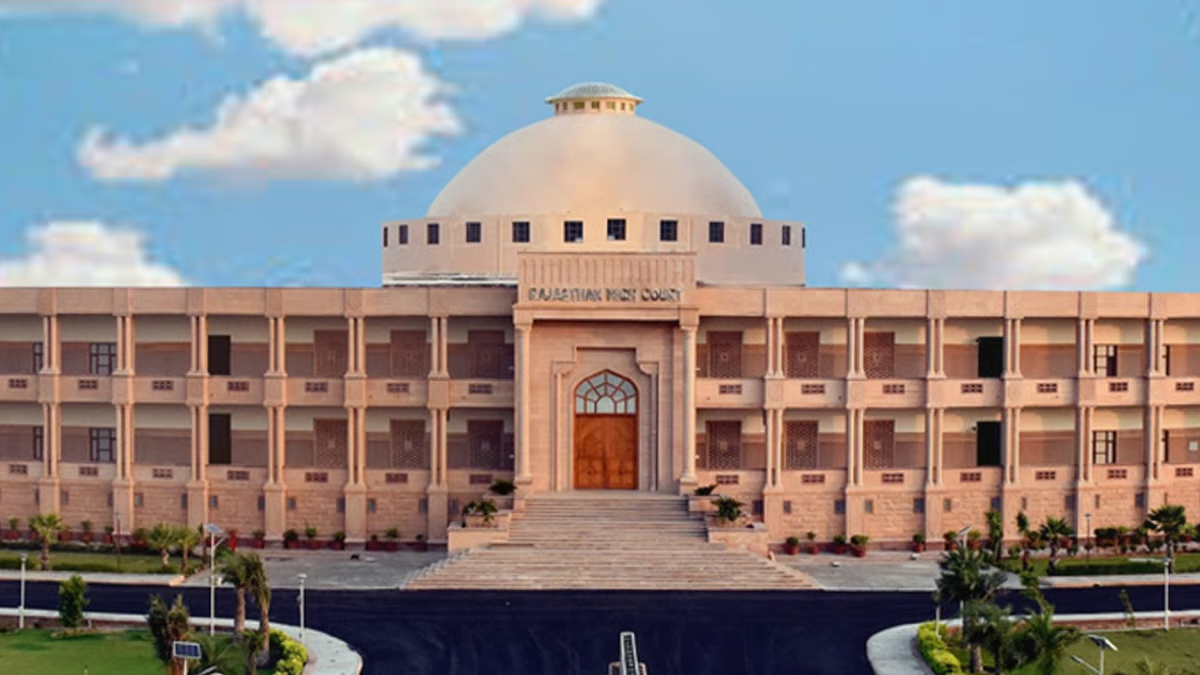
    • Judicial Appointment: Justice Sanjay Kumar Agrawal has been sworn in as the 44th Chief Justice of the Rajasthan High Court. His appointment follows a recommendation from the Supreme Court Collegium and notification by the Union government.

    • Background:

      • First appointed as an additional judge of the Chhattisgarh High Court in September 2013.
      • Became a permanent judge in March 2016.
    • Significance of Appointment: Justice Agrawal's role is seen as pivotal for streamlining the judicial system in Rajasthan and expediting the resolution of pending cases.

    • Controversy: His appointment comes amid controversies surrounding Justice Sanjeev Prakash Sharma, the Acting Chief Justice of the Rajasthan High Court since September 2025. Allegations against Justice Sharma include:

      • Misuse of powers
      • Favouritism and nepotism
      • Administrative lapses
    • Judicial Complaints: Justice Sandeep Mehta of the Supreme Court has written to the Chief Justice of India (CJI) regarding the alleged misconduct of Justice Sharma. This has prompted protests from lawyers in Jodhpur and Jaipur demanding a permanent Chief Justice.

    Educational Statistics:

    • Dropout Rates: Over 13,500 SC/ST and OBC students dropped out from Central universities, IITs, and IIMs in the past five years as per Education Ministry data. This statistic highlights ongoing challenges in higher education accessibility.
    • Caste Surveys Results: IIT Bombay survey indicates that more than 37% of SC/ST students’ ranks were scrutinized, revealing disparities affecting this demographic in academic settings.

    Scientific Findings:

    • Social Determinants of Health: Research shows caste-related inequities impacting healthcare access and outcomes, emphasizing societal structures that influence biological and health disparities.
    • Epigenetics: Studies suggest that social circumstances can induce biological changes, affecting gene regulation, thus reinforcing the need to address caste-based discrimination.
    • Genetic Diversity Research: A significant 2009 study indicated most present-day Indians are descended from two ancient populations with distinct genetic lineages affected by historical endogamy practices.

    Caste and Brain Plasticity:

    • The concept of neural plasticity suggests that individual development and abilities arise from a combination of genetics and life experiences, contradicting deterministic views of caste.

    Challenges in Academia:

    • Caste-based discrimination undermines scientific progress, constraining intellectual opportunities and the capacity for knowledge sharing, which are essential for human development.

    International Perspectives:

    • Although not directly referenced in international agreements, caste discrimination shares commonality with global human rights issues, calling for universal acknowledgment of equality.

    Conclusion:

    The document reflects a pressing need to align educational environments, scientific inquiry, and societal attitudes with constitutional guarantees of equality. It advocates against caste discrimination and emphasizes the importance of fostering inclusive spaces that recognize the shared human capacity for learning and growth. The intersection of rights, science, and social equality demands ongoing attention and reform to uphold the principles set forth in the Indian Constitution.

  • Retirement: Justice Sharma is set to retire on September 26, 2026, and has denied the allegations against him, requesting patience from stakeholders until the CJI makes a decision.

  • Key Figures:

    • Justice Sanjay Kumar Agrawal: Newly appointed Chief Justice of Rajasthan High Court.
    • Justice Sanjeev Prakash Sharma: Acting Chief Justice facing allegations.
    • Justice Sandeep Mehta: Supreme Court judge raising complaints.
  • This summary reflects the current state of judicial leadership in Rajasthan, highlighting the importance of judicial integrity and the processes involved in appointments and transfers within the judiciary.