iAspirants
HomeAbout UsCurrent AffairsPrelims PYQsPricing
iAspirants
HomeAboutBlogsFAQsPricingLogin
Privacy PolicyTerms & ConditionsReturn PolicyContact Us

© 2025 iAspirants, Inc. All rights reserved.

  1. Blogs
  2. Polity and Governance

Gen Z Protests Reshape Political Landscape

Published on: 14-Aug-2026

Share this post

Gen Z Protests Reshape Political Landscape

Article Summary

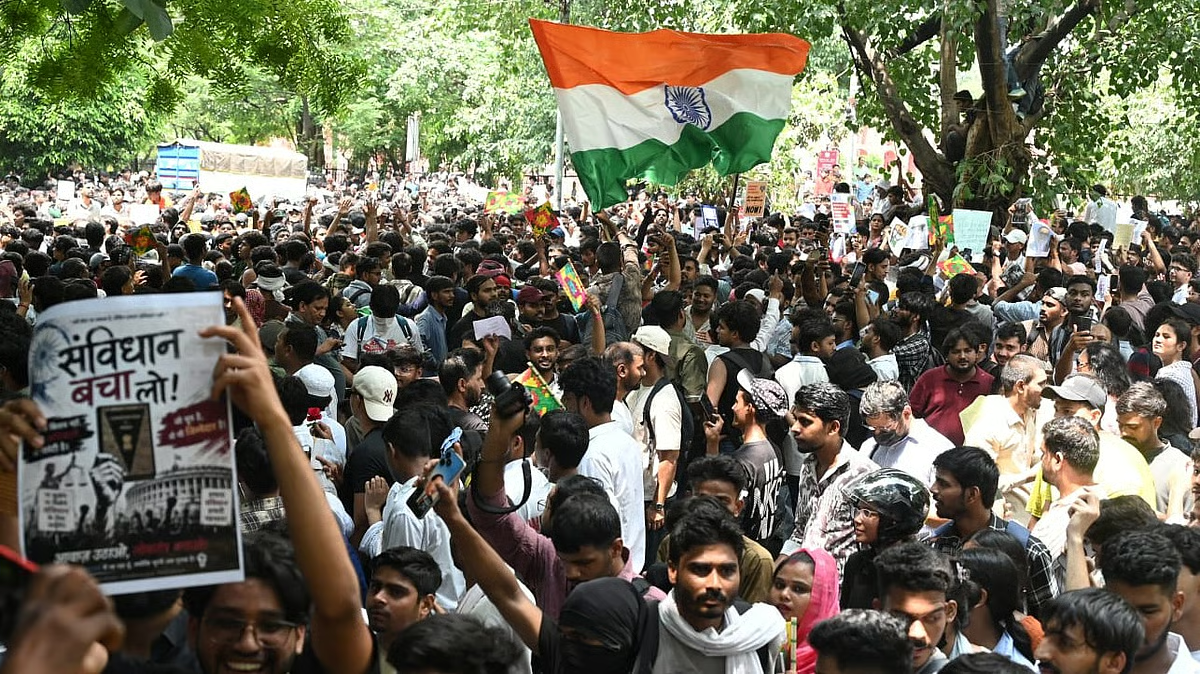
  • Youth Protests and Political Dynamics: Recent protests led by Generation Z catalyzed the resignation of India's Union Minister of Education. This reflects a growing dissatisfaction with traditional political dialogue and engagement with youth issues.

  • Electoral Impact: Tamil Nadu’s Chief Minister C. Joseph Vijay leveraged Gen Z support for electoral victory, indicating significant youth influence on political outcomes.

  • CJP Movement: The Cockroach Janta Party (CJP) emerged as a collective voice for youth grievances in India, encompassing issues like jobs, safety, and education. It acts as a platform for expressing discontent with the political system rather than a conventional political party.

  • Disconnect with Traditional Parties: Youth disillusionment arises from political parties’ failure to communicate effectively and address contemporary concerns, resulting in a void filled by movements like the CJP.

  • Political Communication: Traditional parties are criticized for a top-down approach, leading to a generational gap in understanding issues faced by today's youth, such as job insecurity and mental health.

  • Gen Z Engagement: This generation, characterized by higher educational attainment yet facing fewer job opportunities, tends not to resonate with the language and approaches of established political parties.

  • Proposal for Political Reimagination: There are calls for a re-evaluation of democracy and social contracts between power and citizens, driven by youth unrest and aspirations for a more accountable political discourse.

  • Cultural and Political Shift: Gen Z's political engagement deviates from past conventions. They express concerns related to identity, secularism, and a desire for vibrant political language, influenced by historical leaders like M.K. Gandhi and Dr. B.R. Ambedkar.

  • Left vs. Right Narrative: While the CJP articulates a broad range of issues, observers note the risk of youth being attracted to far-right narratives if the traditional left fails to capture their dissent constructively.

  • Historical Influence: The protests draw from older political ideologies, but Gen Z's understanding and articulation of issues are being defined anew, leading to a unique socio-political culture.

  • Religious and Ideological Dimensions: Current dialogue also includes the Rashtriya Swayamsevak Sangh's agenda and its potential appeal among youth, showing a complex intersection between traditional values and modern political activism.

  • Constitutional Elements and Rights: Issues raised during protests and political dialogues remain rooted in constitutional rights provided under Articles safeguarding freedom of expression and participation in political processes.

These points emphasize the need for effective youth representation within political frameworks and the potential reshaping of India's political landscape shaped by Generation Z.

Key Terms & Concepts

C. Joseph VijayChief Minister of Tamil Nadu
Dravida Munnetra KazhagamIncumbent party during elections
Cockroach Janta PartyMovement for youth grievances
InstagramPlatform for Gen Z expression
M.K. GandhiInspiration for protest principles
Dr. B.R. AmbedkarSymbol of social justice
Bharatiya Janata PartyCurrent governing party
RSSHindu nationalist organization
HindutvaIdeology promoted by BJP
IndiaCountry of protests
Internet shutdownsIssue raised by protesters
educationMajor concern for Gen Z
employment

Mind Map for UPSC Civil Services Revision

Turn UPSC Civil Services Current Affairs Into Exam-Ready Notes

Reading Polity and Governance current affairs is half the work. Revise them with ready-made notes and test what actually stuck.

  • Daily UPSC Civil Services current affairs analysis
  • Revision notes, mind maps & MCQs
  • Prelims mock tests with instant results

Related UPSC Civil Services Current Affairs Articles

Honoring India's Unsung Freedom Heroes
Polity and Governance15-Aug-2026

Honoring India's Unsung Freedom Heroes

Independence Day and the Need for a National Freedom Museum

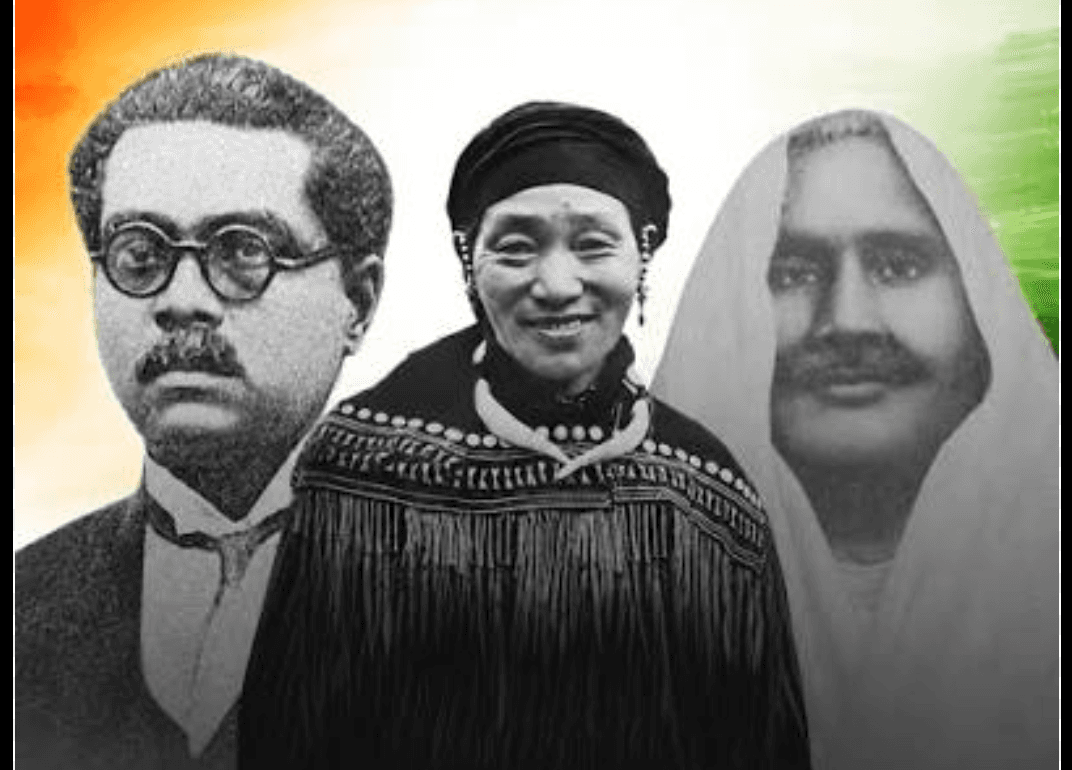
  • Historical Significance: India’s freedom struggle is a pivotal chapter in world history, involving sacrifices from diverse freedom fighters, revolutionaries, and social reformers over a span of decades.
  • Collective Memory: There's a concern regarding the fading memory of freedom fighters among the younger generation, indicating a need for comprehensive preservation of history beyond textbooks.
Key issue of youth protests
job securityConcern for young voters
social contractConcept for political discourse
  • Proposed Initiative:
    • Call for the establishment of a National Museum of India’s Freedom Movement to celebrate and preserve the history of India's struggle for independence.
    • States are encouraged to create regional museums or galleries to honor local heroes and struggles.
  • Museum Features:
    • Potential to include original documents, photographs, personal belongings of revolutionaries, and interactive educational exhibits.
    • The goal is to create a living testament to the sacrifices made for India's independence, facilitating learning and remembrance for future generations.
  • Border Issues with China

    • Current Context: Growing concerns over the India-China border situation, highlighted by recent actions from the Arunachal Pradesh Students’ Union (AAPSU) to assess alleged Chinese activity in Upper Subansiri.
    • Government Accountability: There's a demand for transparency from the government regarding border security and military engagement, contrasting the high-profile diplomatic rhetoric with actual conditions and responses on the ground.
    • Public Communication: Urging the government to provide clear communications and updates regarding territorial integrity.

    Politics of Language

    • Linguistic Diversity: The concern over the politicization of English indicates a broader issue of access to global communication and modern technology for millions of Indians.
    • Inclusive Language Policy: Advocates suggest that promoting Indian languages should not come at the expense of English and that both can coexist to foster educational and cultural enrichment.

    Broader Implications

    • Cultural Preservation: Establishing national and regional museums could amplify collective identity and act as a foundation for future societal progress.
    • Patriotism Through Accountability: Engaging citizens in conversations about national security and governance reflects a nation's commitment to transparency, crucial for a democratic society.
    • Language as a Tool: Recognizing the value of language education in promoting growth and inclusion is vital for a nation's developmental trajectory.

    This concise presentation of India's national context underscores the importance of preserving history, ensuring border security, and promoting inclusive language policies for a robust societal framework moving forward.

    India's 80th Independence Reflection
    Polity and Governance15-Aug-2026

    India's 80th Independence Reflection

    Key Points from the Article

    Historical Context and Independence

    • India has entered its 80th year of Independence, marking a historical journey from colonial rule to freedom, traversing challenges including wars, famines, and pandemics.
    • Reference to the phrase “tryst with destiny” highlights the significance of this period for national identity.

    Democratic Principles and Challenges

    • The Article emphasizes the constitutional framework of India, notably focusing on values of fraternity, justice, and individual freedoms anchored within the Constitution.
    • Notable challenges to democracy include:
      • Increased communal discord and social divisions.
      • Power dynamics that compromise the spirit of governance and disregard constitutional ethics and rights.

    Constitutional and Legal Framework

    • Supreme Court of India’s role emphasized as the custodian of individual freedoms through landmark cases like:
      • Puttaswamy (2017) - Right to Privacy.
      • Romila Thapar (2018) - Protection of historical discourse.
      • Navtej Johar (2018) - Decriminalization of Section 377.
    • Criticism addressed towards judicial processes, particularly:
      • Delays in adjudication and issues in bail matters depicting judicial inefficiencies.
      • Concerns regarding the collegium system in judicial appointments.

    Electoral Processes and Governance

    • The autonomy and integrity of the Election Commission of India are under scrutiny amid widespread allegations impacting its reputation.
    • Concerns over electoral integrity, with mentions of electoral processes influenced by money and muscle power impacting democracy.

    Economic and Social Policies

    • The article calls attention to inadequate welfare schemes fail to address the needs of the marginalized, prompting a need for substantial reforms.
    • Emphasis on social and economic justice as fundamental principles of governance as envisaged by the Constitution.

    Youth and Citizenry Involvement

    • The importance of active citizen participation in governance is highlighted as a remedial measure against systemic issues.
    • Recent student protests are viewed as representing hope for democracy and justice, suggesting a resurgence of idealism among youth.

    Global and National Identity

    • The article reflects on India's leadership role in shaping global order amidst complex realities and calls for a renaissance in political culture prioritizing ethical governance.

    Conclusion

    • A call to action for citizens to embody the moral imperatives of the Constitution and uphold principles that transcend personal and divisive identities.
    • Reinforcement of the idea that maintaining democracy requires vigilance, ethical governance, and a collective responsibility towards justice and inclusivity.

    Final Remarks

    The article serves as a reflective commentary on the progress and challenges of India's democratic framework in its 80 years of independence, invoking a call for unity, ethical governance, and active civic engagement.

    India's Digital Censorship Tactics
    Polity and Governance15-Aug-2026

    India's Digital Censorship Tactics

    • Constitutional Framework:

      • Article 19(1)(a) of the Indian Constitution guarantees the right to freedom of speech and expression, which could be invoked in discussions about censorship and suppression of political speech.
    • Legislation and Policy:

      • The Information Technology Act, 2000, particularly Section 79(3)(b), has been referenced regarding the regulation of online content, allowing for the takedown of posts deemed illegal. This law emphasizes the responsibilities of intermediaries in moderating content.
      • There is concern that the government’s nudging of platforms like Meta could lead to increased censorship reminiscent of practices in autocratic regimes.
    • Government Actions:

      • The Union government has summoned Meta representatives to address the removal of Prime Minister Narendra Modi’s video and discuss the suppression of protest-related content.
      • Reports indicate that a series of takedown notices have resulted in the removal of posts related to protests, raising issues of potential infringement on democratic rights.
    • Comparative International Context:

      • The situation in India is likened to censorship practices in Pakistan (banning of TikTok for immoral content) and China (extensive removal of dissenting content), suggesting a trend towards tighter controls over digital communication.
      • This comparison highlights the global implications of government actions on free expression and the risks of creating a tightly controlled digital environment.
    • Impact on Democracy:

      • The text underscores that mass mobilizations and public discourse are essential to democracy. The narrative suggests that suppressing these forms of expression could have damaging long-term effects on society and governance.
    • Technological Considerations:

      • The potential for existing AI technologies to aid in content moderation reflects the intersection of tech capabilities and government regulation, raising ethical questions about AI's role in managing political content.
    • Judicial Overreach and Censorship:

      • The automatic compliance of platforms to takedown requests under the mentioned section highlights a concerning trend that could lead to unchecked censorship by the government through digital platforms.
    • Broader Societal Concerns:

      • There is a warning about the potential for future governments to misuse existing provisions for censorship if current trends are left unchecked, emphasizing the importance of maintaining a balance between regulation and freedom of expression.

    This summary captures the essential facts and analysis of the government's interactions with Meta, the legal frameworks involved, and the implications for democratic practices in India.

    Constitutional Rights and Dissent Issues
    Polity and Governance13-Aug-2026

    Constitutional Rights and Dissent Issues

    Exam-Focused Notes on Constitutional Rights and Dissent

    Key Constitutional References:

    • Article 19(1)(a): Guarantees the freedom of speech and expression.
    • Article 19(1)(b): Guarantees the right to assemble peacefully without arms.
    • Part III of the Constitution: Ensures fundamental rights, including those of expression and peaceful assembly.

    Judiciary Insights:

    • Justice Ujjal Bhuyan: Stressed the importance of protecting the right to dissent in a democratic society during a speech at the National Law Institute University in Bhopal.
    • Judicial Precedents:
      • Justice D.Y. Chandrachud: Emphasized that “dissent is the safety valve of democracy” and that courts must protect citizens against arbitrary state power.
      • Justice H.R. Khanna: Noted for his dissent during the Emergency period that highlighted the importance of life and personal liberty.
      • Justice B.V. Nagarathna: Advocated for independent institutions and constitutional morality to sustain democracy against political expediency.

    Concerns Raised:

    • Increasing criminalization of peaceful dissent, with reports of extended detention without trial and stringent bail conditions intended to suppress speech.
    • Recent examples include the arrest of individuals for activities deemed unlawful without any legal basis—highlighting a potential misuse of criminal law.

    Recent Developments:

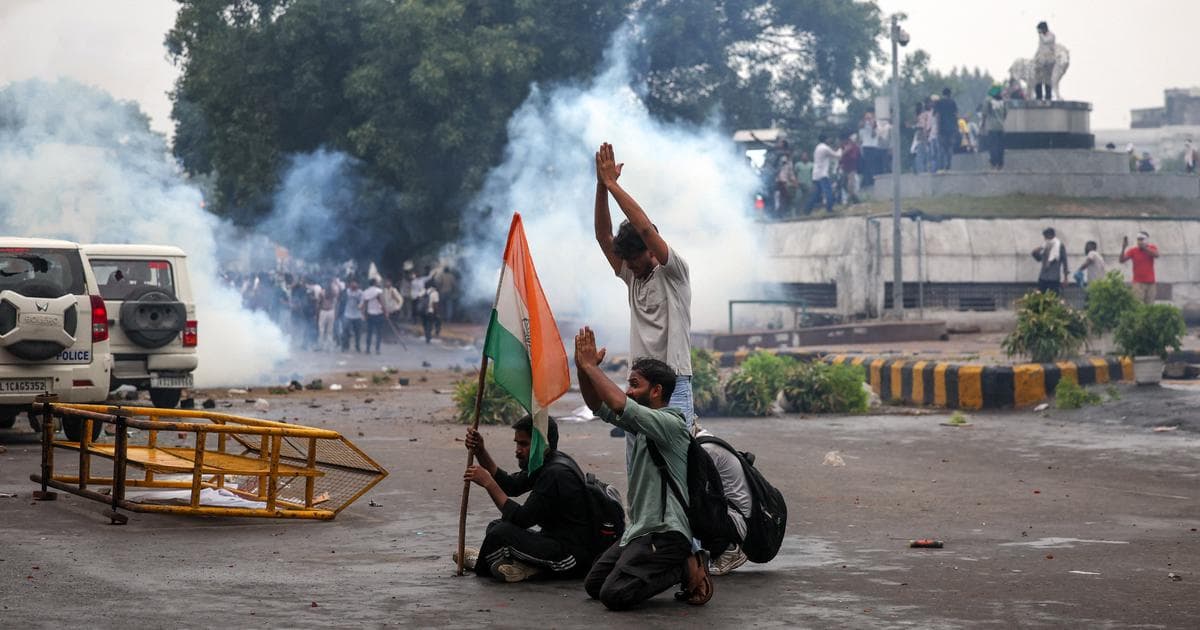
    • Peaceful protests in Delhi's Jantar Mantar by students demanding accountability for examination irregularities were met with allegations of police excesses, such as baton charges and mass detentions.
    • The Supreme Court intervened by ordering the release of detained minors and stopping coercive actions against protestors.

    Judicial Recognition of Rights:

    • The judiciary has emphasized that criminal law should target genuine criminal conduct and should not suppress lawful assembly and expression of dissent.
    • The principle established is that protecting dissent is crucial for the health of democracy; restrictions must be exceptional and legally justified.

    Civic Participation and Government Accountability:

    • Citizens must be able to challenge government actions and policies openly, reinforcing the democratic fabric of the nation.
    • Peaceful dissent is framed not as disloyalty but as faith in constitutional rights; any suppression of this fundamental freedom undermines democracy itself.

    Conclusion: The remarks made by Justices amidst recent events underscore the continuous need for vigilance regarding constitutional rights. The protection of dissent contributes significantly to the stability and legitimacy of democracy, wherein the right to question authority is foundational. Governments are urged to facilitate rather than inhibit peaceful expression and to engage in sincere dialogue with all citizens.