iAspirants
Current AffairsPrelims PYQsUPSC CSE SyllabusUPSC CSE StrategyBlogsPricing
Login
iAspirants
Current AffairsPrelims PYQsUPSC CSE SyllabusUPSC CSE StrategyBlogsPricingContact UsLoginSignUp
iAspirants

Your AI-powered companion for UPSC preparation.

Study Resources

  • Current Affairs
  • Prelims PYQs
  • UPSC CSE Syllabus
  • UPSC CSE Strategy
  • Blogs

Practice & Plans

  • Mains Answer Evaluation
  • Pricing
  • Sign Up
  • Login

Company

  • Home
  • About Us
  • Contact Us
  • FAQs

Legal

  • Privacy Policy
  • Terms & Conditions
  • Return Policy

© 2026 iAspirants, Inc. All rights reserved.

  1. Blogs
  2. Polity and Governance

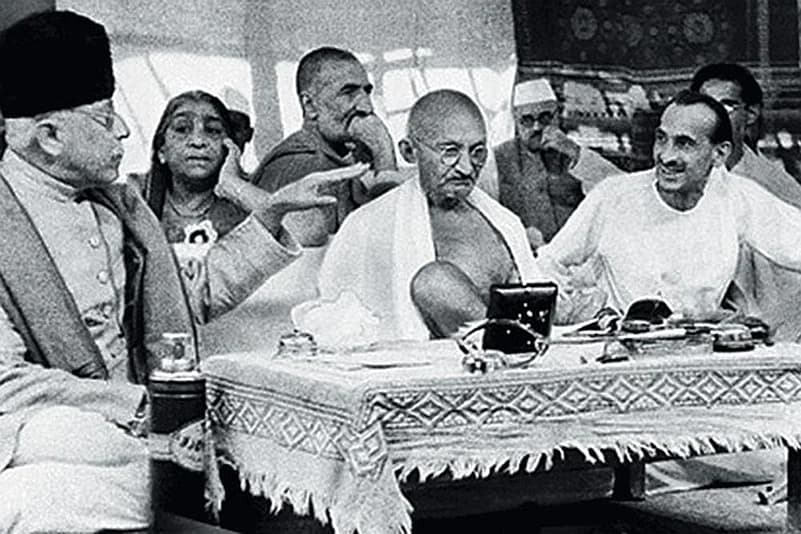
Gandhi's Ideals Spark Controversy Today

Published on: 23-Nov-2026

Source: The Hindu

Share this post

Gandhi's Ideals Spark Controversy Today

Article Summary

  • Historical Context of Gandhi's Critique: Guha's remarks emphasize that Mahatma Gandhi has been a figure of intense scrutiny since his time, notably contending with critics like B.R. Ambedkar, Rabindranath Tagore, and Subhas Chandra Bose. Their debates were characterized by intellectual rigor aimed at societal improvement.

  • Contemporary Perspectives: There is a perceived shift in how Gandhi is viewed today; once highly revered, he is now facing significant vilification, particularly from right-wing factions. This reflects a broader societal trend away from rational discourse towards hostility.

  • Core Values of Gandhi: Central to Gandhi's philosophy are interfaith harmony, non-violence, and pluralistic democracy. These principles stand in direct opposition to majoritarian politics, which may contribute to the animosity towards him.

  • Need for Reasoned Debate: Guha argues for the necessity of reinstating rational discussions over blind hatred in India's public discourse to ensure a thriving democratic society.

  • Judicial and Legislative Context: While the comments do not reference specific laws or judicial rulings, the inherent values in Gandhi's philosophy relate to Articles of the Constitution that promote fraternity, liberty, and equality, particularly Articles 14 (Equality before law) and 15 (Prohibition of discrimination).

  • Cultural Significance: Gandhi remains a pivotal figure in discussions around societal ethics and governance in India, with ongoing relevance to contemporary issues regarding pluralism and democracy that can inform policy and civil debate.

These notes reflect the critical examination of Gandhi's legacy as presented in Ramachandra Guha's launch of "Arguments with Gandhi."

Key Terms & Concepts

Arguments with GandhiTitle of a published book
B.R. AmbedkarContemporary critic of Gandhi
Rabindranath TagoreContemporary critic of Gandhi
Subhas Chandra BoseContemporary critic of Gandhi
interfaith harmonyGandhi's core value
non-violenceGandhi's core value
pluralistic democracyGandhi's core value
majoritarian politicsOpposition to Gandhi's ideals

Mind Map for UPSC Civil Services Revision

Turn UPSC Civil Services Current Affairs Into Exam-Ready Notes

Reading Polity and Governance current affairs is half the work. Revise them with ready-made notes and test what actually stuck.

  • Daily UPSC Civil Services current affairs analysis
  • Revision notes, mind maps & MCQs
  • Prelims mock tests with instant results

Related UPSC Civil Services Current Affairs Articles

Protests Over Voting Rights and Inflation
Polity and Governance23-Nov-2026

Protests Over Voting Rights and Inflation

  • Electoral Issues:

    • The Supreme Court shifted its approach towards the Election Commission of India (ECI) regarding the electoral roll discrepancies affecting approximately 13.3 crore voters.
    • The ECI plans re-enrollment for excluded voters using Form 6, Form 8, and enumeration forms, alongside house-to-house visits.
Practise Mains answer writingUpload a handwritten answer and get it evaluated
  • 2024 Election Context:

    • The Indian National Developmental Inclusive Alliance (INDIA) bloc raised concerns about threats to the Constitution, alongside issues like corruption, price rise, unemployment, and infrastructure deficits.
    • In recent elections, BJP secured 240 seats, leading to a coalition with NDA holding 293 seats against the INDIA bloc's 234.
  • Inflation and Unemployment Statistics:

    • Wholesale Price Index (WPI) inflation is at 12.3%.
    • Consumer Price Index (CPI) inflation has reached 6.1%, exceeding the Reserve Bank of India's (RBI) upper limit.
    • Food inflation stands at 8.9%. The price of a vegetarian thali has risen from Rs 30.80 (five years ago) to Rs 41.90 in November 2026.
    • Urban unemployment rate: 6.7%; Rural unemployment rate: 4.2%.
  • Economic Concerns:

    • Structural issues include fiscal and trade deficits (notably with China), lack of private investment, and poor government capital expenditure.
    • Stagnant real wages, decreasing household savings, and increasing debt indicate economic stress for ordinary citizens.
    • Aim for "Viksit Bharat" contrasts with the public's urgent needs for jobs, water, electricity, and infrastructure.
  • Government Schemes:

    • Criticism of schemes like the Production Linked Incentive (PLI), which has not significantly boosted the manufacturing share of GDP (stuck at 13-14% according to World Bank).
  • Judicial & Governmental Dynamics:

    • The dynamics between the ruling party and its allies are shifting due to voter concerns about issues raised by the INDIA bloc related to electoral integrity and socio-economic hardships.
  • International Context:

    • Mention of parallels to the U.S. midterm elections, where affordability and the impact of foreign conflicts (Gaza and Iran) swayed public opinion.
  • Public Welfare Programs:

    • Concerns over the winding down of the Mahatma Gandhi National Rural Employment Guarantee Act (MGNREGA) and criticisms of the Drinking Water Mission (Jal Jeevan) and Swachh Bharat Mission for failures in execution.
  • Outlook and Strategies:

    • The INDIA bloc aims to capitalize on the issues around "vote chori" to position itself as a formidable political force against the BJP, amidst apprehensions within BJP’s ally ranks.
  • This summary encapsulates the essential elements of the given news article, focusing on constitutional issues, economic indicators, electoral dynamics, and government schemes while maintaining clarity and objectivity.

    Study Reveals Inclusion Errors in Food Scheme
    Polity and Governance23-Nov-2026

    Study Reveals Inclusion Errors in Food Scheme

    Overview of Findings on the PM Garib Kalyan Anna Yojana (PMGKAY):

    1. Study Background:

      • Conducted by the Department of Food and Public Distribution (DFPD) during FY 2025-26.
      • Sample size: 51,303 beneficiary households across all 36 states and UTs.
      • Focus: Inclusion error in beneficiary identification under the PMGKAY, part of the National Food Security Act (NFSA), 2013.
    2. Key Findings:

      • Inclusion Error Rate: 13.2% of beneficiaries do not meet eligibility criteria.
      • States with High Inclusion Errors:
        • West Bengal: 39.5%
        • Tripura: 39.2%
        • Tamil Nadu: 38.7%
      • Factors contributing to inclusion errors include:
        • Asset ownership (e.g., pucca houses with three or more rooms, air conditioners, motor vehicles).
        • Employment in government jobs.
    3. Food Security Coverage:

      • Under NFSA, food security is provided to 75% of rural and 50% of urban households.
      • Total potential coverage: Approximately 81.35 crore; Current coverage (as of October 2026): 78.63 crore.
    4. Inclusion Error Analysis:

      • Urban vs. Rural Performance:
        • Rural inclusion error: 12.5%
        • Urban inclusion error: 15.6%
      • Beneficiary Categories:
        • Antyodaya Anna Yojana (AAY) households: 12.2% error.
        • Priority Households (PHH): 13.4%, with urban households showing a higher error (15.7%).
    5. Evaluation Findings:

      • Errors mostly concentrated in eastern and northeastern states, suggesting governance and data system inefficiencies.
      • States like Madhya Pradesh (0.5%) and Haryana (1.0%) perform better on inclusion errors due to stronger validation systems.
    6. Legislative Framework:

      • NFSA Provisions:
        • Section 9: Coverage determined by the Centre.
        • Section 10: States responsible for identifying and validating beneficiaries, varying criteria across states.
      • Importance of periodic database validation and dynamic updating for improving targeting efficiency.
    7. Financial Implications:

      • Food subsidy expenditure: Rs 2.28 lakh crore out of a total subsidy bill of Rs 4.69 lakh crore for FY 2025-26.
    8. Recommendations:

      • Strengthen beneficiary identification systems and improve data validation.
      • Address state-level variations in criteria to minimize inclusion errors.

    This evaluation underscores the critical need for effective governance in the implementation of food security laws and highlights the operational challenges faced in accurately targeting the most vulnerable households in India.

    Digital News Publishers Code of Ethics
    Polity and Governance20-Nov-2026

    Digital News Publishers Code of Ethics

    Summary of Digital News Publishers Association's Code of Ethics

    Constitutional References:

    • The Code emphasizes compliance with Article 19(1)(a) of the Constitution of India, which guarantees the freedom of speech and expression, including the dissemination of news.

    Key Principles of the Code:

    1. Adherence to Laws: Members must comply with the Constitution and over 30 relevant media laws, including the Indian Penal Code (IPC), Criminal Procedure Code (CrPC), and Information Technology Act, 2000.

    2. Journalistic Ethics: Upholding high standards of journalistic integrity is paramount. Members should practice accurate, transparent, and fair reporting, with pre-publication verification mandatory.

    3. Right of Reply: Publications must include the response of parties concerning allegations made against them, ensuring fairness and accountability. Updates to reports should be marked with the date of the amendment.

    4. Content Correction: Mechanisms for correcting or deleting inaccurate news reports must be in place. If a report is inaccurate, it should be corrected or removed upon substantiation of the claim.

    5. Intellectual Property Rights: Members should respect copyrights and trademark laws. Permission must be obtained for using third-party materials, and proper acknowledgments must be made.

    6. Sensational Reporting: Preserving the presumption of innocence in crime-related reporting is essential. Speculation on evidence and the conduct of witnesses or parties involved should be avoided.

    7. Reporting on Sensitive Matters: Special care must be taken when reporting on sexual harassment, child abuse, and cases involving minors. Relevant provisions of the IT Act regarding obscene material must be adhered to (Sections 67, 67A, 67B).

    8. Grievance Redressal Mechanism: Members as intermediaries must implement grievance redressal as per the IT Act. A grievance officer must be appointed, and complaints should be addressed within specified timelines.

    9. Training Programs: Regular training regarding laws impacting media practices, such as the Right to Information Act, Copyright Act, and protections under IPC and CrPC, is mandatory for editorial staff. This includes guidelines on the protection of vulnerable individuals, especially minors.

    10. Respect for Privacy: Care must be taken to protect the identities of victims in sensitive reports, and the privacy of individuals outside public life must be respected.

    Additional Context:

    • Information Technology Act, 2000: This law regulates cyber activities in India and establishes procedures for handling grievances and content management for online platforms.

    • Journalistic Standards: The adherence to established ethical norms is underscored, including the necessity to maintain integrity, accountability, and factual reporting, reflecting a commitment to quality journalism.

    • Legal Framework: Emphasis on compliance with existing laws indicates a commitment to fostering a legal and responsible environment for digital news publishing.

    These principles ensure a balanced approach to news media while safeguarding constitutional freedoms and enhancing public trust in digital journalism.

    India's Milestone in Counter-Terrorism Efforts
    Polity and Governance20-Nov-2026

    India's Milestone in Counter-Terrorism Efforts

    Key Facts and Updates on Counter-Terrorism in India

    1. Significant Milestone in Terrorism Elimination:

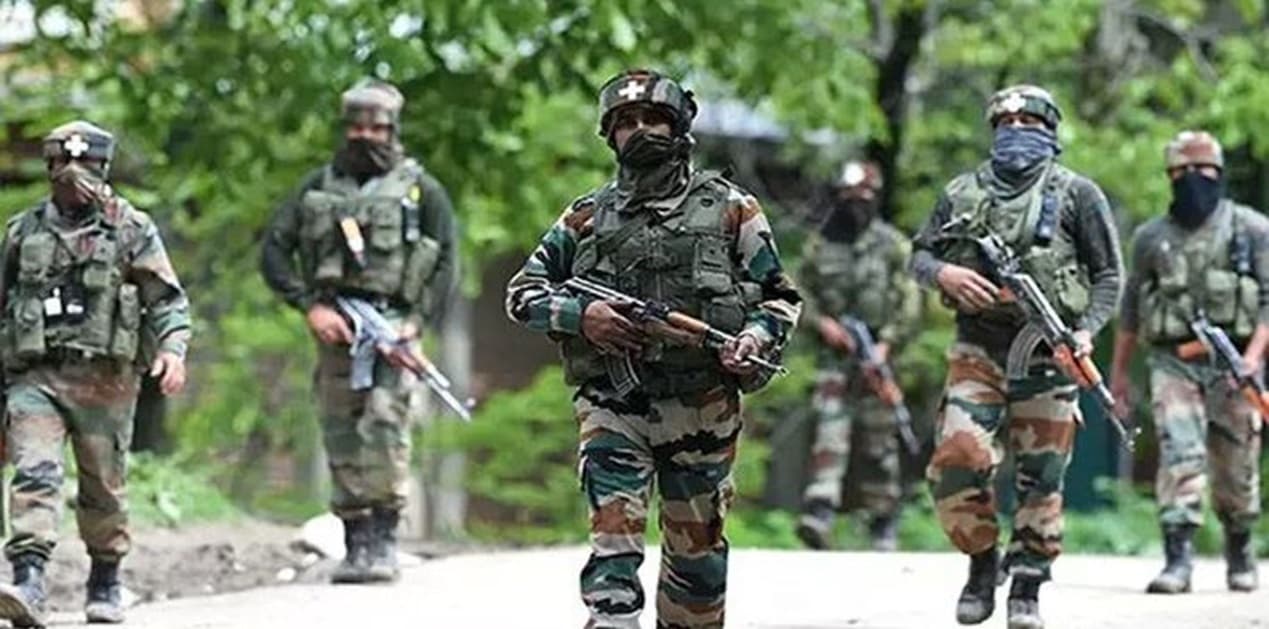
      • Union Home Minister Amit Shah announced the neutralization of Lashkar-e-Taiba (LeT) terrorist Latif Bhat, marking the removal of all India-born terrorists from Kashmir, a goal unmet for 35 years.
    2. Counter-Terrorism Conference:

      • The announcement was made during a two-day counter-terrorism conference, highlighting India's ongoing struggle against terrorism.
    3. Implementation of a National Strategy:

      • Shah emphasized a uniform counter-terrorism strategy that extends to every police station in India, from Jammu & Kashmir to Kanyakumari.
    4. Focus on Terror Financing:

      • Calls for enhanced coordination with financial investigation agencies to tackle the entire terror financing network, ensuring comprehensive accountability.
    5. :

    Karmayogi Sankalpa Enhances Leadership Practice
    Polity and Governance20-Nov-2026

    Karmayogi Sankalpa Enhances Leadership Practice

    Exam-Focused Notes on Karmayogi Sankalpa

    1. Overview of Karmayogi Sankalpa:

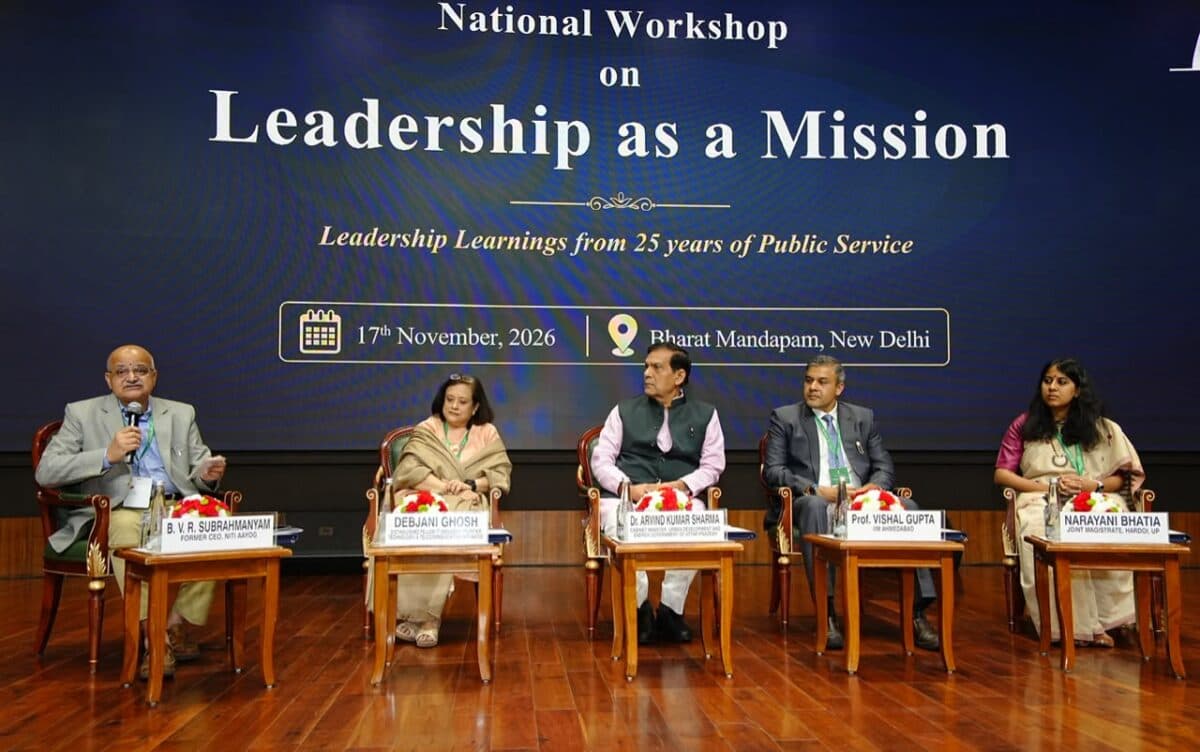
    • Launched at Bharat Mandapam on November 17 as a result of the National Workshop on Leadership as Mission by NITI Aayog.
    • The initiative aims to empower public servants to take individual responsibility for enhancing citizen services.

    2. Key Features:

    • Each officer commits to making one actionable change within their authority for the citizens they serve.
    • Commitments are recorded on the iGOT platform, promoting accountability and follow-ups at 30, 60, and 90 days.

    3. Objectives:

    • Encourages actionable leadership by allowing officers to independently identify areas for improvement.
    • Aims to change the perception that meaningful change requires external mandates or resources.

    4. Workshop Insights:

    • Focused on decision-making rather than theoretical leadership qualities.
    • Included discussions on significant past events, like the reconstruction of Kutch after the 2001 earthquake and the Covid response.
    Women's Equality in India Explored
    Polity and Governance20-Nov-2026

    Women's Equality in India Explored

    Key Highlights from Justice B.V. Nagarathna's Lecture on Women's Rights

    Constitutional References

    • Emphasis on substantive equality as a necessary condition for achieving true gender equality.
    • Discussion on Constitutional amendments that mandate one-third of seats in Parliament and State legislatures for women, highlighting their importance in political representation.

    Judicial Perspectives

    • Justice Nagarathna asserts that holding high office does not equate to societal equality for women, noting that:
      • Women's representation in leadership does not address broader systemic issues, such as access to education, employment, property, and legal recourse.
      • Judicial decisions alone cannot ensure safe workplaces or protect women's rights from domestic violence.

    Legislative and Social Insights

    • Legislation must be paired with accessible remedies and proactive public authorities to fulfill its objectives effectively.
    • Current laws against discrimination and violence need to translate into practical safety and support for women to seek protections without stigma or fear of economic repercussions.
    Controversy Over 2027 Census Religions
    Polity and Governance19-Nov-2026

    Controversy Over 2027 Census Religions

    Exam-Focused Notes on 2027 Census Developments

    Census Overview:

    • The 2027 Census marks the first instance in Independent India where caste enumeration will be conducted.
    • The self-enumeration portal for the Census launched on November 16, 2026, specifically for Uttar Pradesh, Goa, Punjab, and Uttarakhand.

    Changes in Religion Enumeration:

    • The portal initially featured 287 entries listed under the "Other" religions category in a drop-down menu, which was removed shortly after a query by The Hindu.
    • As of November 2026, only 76 entries remain for "Other" religions, showing predictive text suggestions rather than a drop-down menu.
    • Over 200 entries were deleted, including notable groups like ISKCON, Ramdev, and others previously categorized as sects within major religions (Hindu, Muslim, Christian, Sikh, Jain, Buddhist).
    • Remaining entries largely reflect Scheduled Tribe (ST) community faiths, such as Sarna and Oraon, and include five new entries not recorded in previous Censuses: Adibasi dharma, Bura Deo, Karupa, Tingkao Rangong, and Tingwang Hingde.

    Constitutional and Legal Context:

    • The Census is being scrutinized for potentially undermining the representation of diverse religions and communities, especially by removing a comprehensive drop-down list for "Other" religions while offering an open column for caste enumeration.
    • Critics argue about the government's inconsistent approach to religious and caste enumeration, emphasizing that a complete listing of all castes (SC, ST, OBC, General) is absent.

    Government and Policy Responses:

    • Union Home Ministry officials stated the initial drop-down entries were for reducing spelling errors and confusion rather than actual identifiers of "Other" religions.
    • The government maintains there is no available comprehensive list of all castes, which has led to using an open column for caste enumeration instead of a structured drop-down menu.

    Civil Society Engagement:

    • Following the changes in the Census approach, there are ongoing protests organized by the All India Caste Census Coordination Committee scheduled for November 28, 2026, in New Delhi, addressing the caste enumeration method.

    Political Reactions:

    • Opposition leaders and OBC associations have voiced concerns over the Census planning, suggesting potential attempts to fragment Hindu identities via the categorization of religions.
    • A section of the general category population in North India expressed discomfort at the extensive list of “Other” religions, seeing it as a divisive measure.

    Significance:

    • The 2027 Census is a critical reflection in understanding India's complex sociocultural fabric, particularly concerning religion and caste, which are fundamentally important for electoral policies and resource allocation.

    Conclusion

    • The development of the 2027 Census raises significant questions about representation, data integrity in handling religious and caste identities, and highlights ongoing discussions about the government's approach to social categorization.
    Karmayogi Sankalpa: Transforming Civil Service
    Polity and Governance19-Nov-2026

    Karmayogi Sankalpa: Transforming Civil Service

    Key Highlights from Karmayogi Sankalpa Initiative

    Overview of Karmayogi Sankalpa

    • Launch Date: November 17
    • Location: Bharat Mandapam
    • Organizer: National Workshop on Leadership as a Mission by NITI Aayog
    • Objective: Encourage district officers to implement substantive changes in their leadership practices, benefiting citizens directly.

    Pledge Details

    • Commitment: Officers pledge to make tangible changes in their leadership within their own authority.
    • Recording Platform: Commitments are documented on the iGOT platform; follow-ups occur at 30, 60, and 90 days post-pledge.
    • Key Element: Emphasis on action that does not require outside authority to empower officers to make immediate changes.

    Workshop Focus

    • Participants: Public servants, students, scholars, and community partners.
    • Methodology: Officers engaged in real challenges, developing actionable plans with measurable outcomes.
    Legislation
    • The Shahzad Bhatti network has been designated a terrorist organization under the Unlawful Activities (Prevention) Act (UAPA), with over 40 modules neutralized and over 100 cases resulting in 271 arrests.
  • Return of Fugitives:

    • A special initiative launched in 2019 has successfully brought back 303 fugitives from 36 countries, strengthening national security. This operation involved collaboration between the CBI and the Ministry of Home Affairs.
  • Unified Action Plan Against Radicalization:

    • Developed in September 2019 and finalized in December 2019, this action plan aims to counter radicalization through cooperative efforts among various ministries.
  • Dismantling the Popular Front of India (PFI):

    • In September 2022, a coordinated operation dismantled the PFI network across 11 states, preventing serious future issues.
  • Comprehensive Border Security Measures:

    • Improvement of border security mechanisms and the removal of illegal religious structures along borders was highlighted, alongside enhanced coordination between agencies.
  • Proactive Counter-Terrorism Policy:

    • Emphasizing proactive measures, Shah urged a focus on strengthening the structural and operational capabilities of counter-terrorism efforts to prevent incidents before they occur.
  • Economic Security and Police Coordination:

    • The government has integrated improved coordination among various agencies to bolster economic security as part of its counter-terrorism strategy.
  • Conclusion: Amit Shah's remarks indicate a robust and coordinated approach towards counter-terrorism in India, aiming for comprehensive national security and the dismantling of terrorist networks through strategic and legislative measures.

  • Emphasized attributes essential for effective public service: deep listening, equanimity, compassion, integrity, and fearlessness in difficult decision-making.
  • 5. Mission Karmayogi:

    • Launched in 2020 to transform civil service from rule-based to role-based engagement.
    • The iGOT platform enhances learning for all government employees, aligning competencies with practical applications.

    6. Framework and Learning:

    • Introduces behavioural, functional, and domain competencies to guide civil servant development.
    • Focus on converting learning into tangible citizen benefits, moving beyond course completion to actual effectiveness in service delivery.

    7. Participation and Impact:

    • Over 100,000 civil servants have engaged with the Karmayogi Bharat initiative.
    • Emphasizes that sustainable progress (Viksit Bharat by 2047) relies on daily decisions impacting citizens’ lives at local levels.

    8. Broader Implications:

    • Illustrates the government’s shift towards accountability and citizen-centric service.
    • Acknowledges that real improvements come from the micro-level efforts of public servants, not exclusively through overarching policy changes.

    9. Conclusion:

    • Successful implementation of Karmayogi Sankalpa signifies a cultural change in governance, framing civil service interactions through the lens of service to the citizenry.
    • Promotes a collective movement toward enhancing governance and public service responsiveness in India.

    Economic and Social Challenges

    • Justice Nagarathna highlights the disproportionate burden of unpaid domestic and care work shouldered by women, which constrains their choices and options in society.
    • The experience of women is not uniform; factors such as caste, class, disability, religion, region, and economic status create unique challenges for different groups of women.

    Calls for Inclusivity in Equality

    • Emphasis on recognizing the diversity of women's experiences and ensuring that gender equality initiatives address these differences rather than assuming a one-size-fits-all approach.
    • Acknowledgment of the limitations of formal equality and the need for meaningful representation that caters to historically marginalized women.

    Conclusion

    • Justice Nagarathna’s views articulate the need for a more nuanced understanding of gender equality that goes beyond mere representation, advocating for holistic and practical approaches to elevate women’s status in society.
  • Leadership Attributes Identified:
    • Deep listening
    • Equanimity
    • Compassion
    • Integrity
    • Fearlessness in decision-making
  • Historical Context and Learning from Past Events

    • Case Studies Presented:
      • Reconstruction of Kutch post-2001 earthquake
      • Government response to COVID-19
      • Lakhpati Didi initiative
      • Opening of the space economy

    Mission Karmayogi

    • Initiative Year: Launched in 2020, aiming to transition civil service from a rule-based to a role-based approach.
    • Learning Framework: Focuses on behavioral, functional, and domain competencies, making learning accessible to all government employees.

    Significance for Development

    • Viksit Bharat by 2047: The initiative emphasizes that achieving developmental goals requires the active participation of civil servants at all levels, ensuring their daily decisions impact citizen experiences positively.
    • Participation: Over 100,000 civil servants have engaged with the Karmayogi Bharat platform, promoting collective accountability and service-oriented governance.

    Conclusion

    • Civic Engagement: The Karmayogi Sankalpa transcends traditional governance by enabling grassroots-level changes that foster better interactions between government officials and citizens.
    • Future Vision: The initiative highlights the importance of each public servant's commitment to self-improvement in leadership, aiming for a more responsive and responsible government.