iAspirants
HomeAbout UsCurrent AffairsPrelims PYQsPricing
iAspirants
HomeAboutBlogsFAQsPricingLogin
Privacy PolicyTerms & ConditionsReturn PolicyContact Us

© 2025 iAspirants, Inc. All rights reserved.

  1. Blogs
  2. Environment and Ecology

Formation of Multidisciplinary Central Team

Published on: 11-Aug-2026

Share this post

Formation of Multidisciplinary Central Team

Article Summary

Key Highlights on Cloudburst Events in Himachal Pradesh

  1. Formation of Multi-Sectoral Central Team (MSCT):

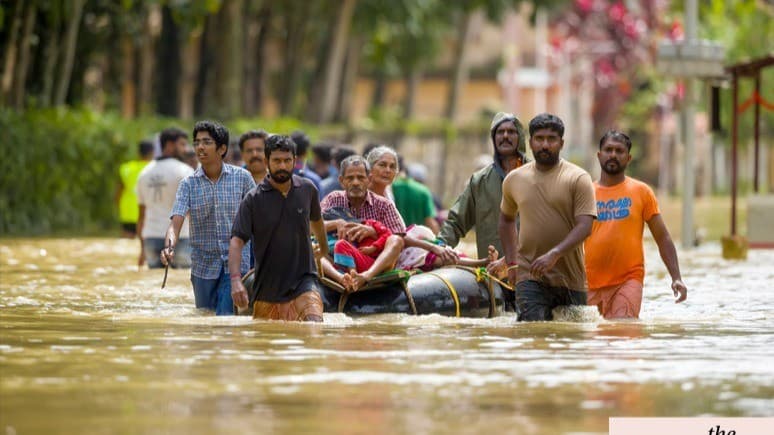
    • A Multi-Sectoral Central Team (MSCT) has been established to address the increasing frequency and intensity of cloudbursts, sudden floods, landslides, and heavy rainfall in Himachal Pradesh.
    • The team comprises experts from various agencies, including:
      • National Disaster Management Authority (NDMA)
      • Central Building Research Institute (CBRI), Roorkee
      • Indian Institute of Tropical Meteorology (IITM), Pune
      • Indian Institute of Technology (IIT), Indore
      • Other relevant agencies.
  2. Responsibilities of MSCT:

    • Conduct a scientific assessment of the causes behind the rising extreme weather events in Himachal Pradesh.
    • Analyze geographical and ground conditions of the most affected areas.
    • Compile and scrutinize data obtained from various agencies.
    • Recommend long-term measures to mitigate the impact of such disasters.
  3. Climate Change Influence:

    • Assessments by meteorological experts and scientific institutions indicate that climate change is leading to increased intensity and frequency of extreme rainfall in the Himalayan region.
    • Rapid melting of snow and instability of debris brought by glaciers are causing untimely landslides in high-altitude areas and heightened water flow.
  4. Human-Induced Factors:

    • The MSCT's study suggests that anthropogenic factors are also contributing to the escalating risks in the region.
  5. Government Response:

    • The information was shared by Minister of State for Home Affairs, Shri Nityanand Rai, in a written reply to a question in the Lok Sabha, indicating the government's acknowledgment of the issue and its proactive measures.
  6. Constitutional and Policy Framework:

    • While specific constitutional articles or amendments were not mentioned, the government's response aligns with the constitutional duty to protect citizens from natural disasters and the Directive Principles of State Policy (DPSPs) related to environmental protection and sustainable development.
  7. International Context:

    • The information reflects broader global challenges related to climate change and disaster management, which are pertinent to international discussions and agreements on environmental sustainability.
  8. Scientific and Technological Implications:

    • The involvement of scientific institutions highlights the role of research and technology in understanding and mitigating the effects of climate change and natural disasters.

This summary encapsulates the critical developments regarding cloudburst incidents in Himachal Pradesh, emphasizing the government's strategic response and the scientific understanding of the underlying issues.

Key Terms & Concepts

Multidisciplinary Central Team (MCT)Evaluate extreme weather causes
National Disaster Management Authority (NDMA)Participating agency in MCT
Central Building Research Institute (CBRI)Participating agency in MCT
Indian Institute of Tropical Meteorology (IITM)Participating agency in MCT
Indian Institute of Technology (IIT), IndoreParticipating agency in MCT
Indian Meteorological Department (IMD)Providing data and suggestions
Central Water Commission (CWC)Providing data and suggestions
Geological Survey of India (GSI)Providing data and suggestions
Himalayan RegionAffected by extreme weather
Climate ChangeCause of increased rainfall intensity

Mind Map for UPSC Civil Services Revision

Turn UPSC Civil Services Current Affairs Into Exam-Ready Notes

Reading Environment and Ecology current affairs is half the work. Revise them with ready-made notes and test what actually stuck.

  • Daily UPSC Civil Services current affairs analysis
  • Revision notes, mind maps & MCQs
  • Prelims mock tests with instant results

Related UPSC Civil Services Current Affairs Articles

Opposition to Sewage Treatment Plant Plans
Environment and Ecology12-Aug-2026

Opposition to Sewage Treatment Plant Plans

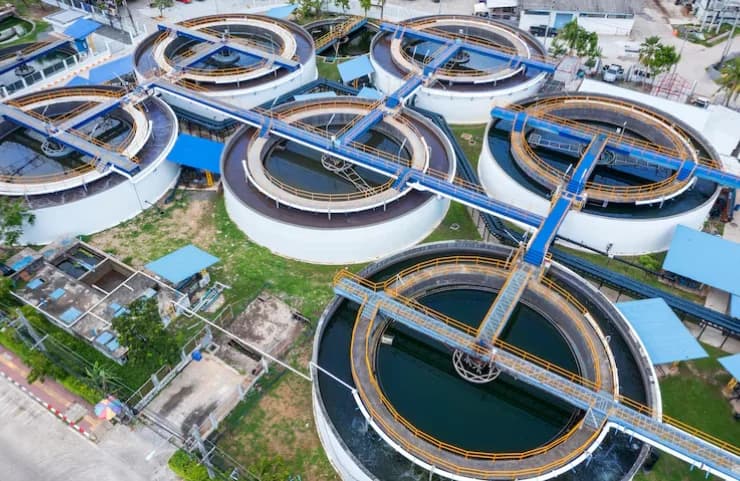
Summary of Key Points on Sewage Treatment Plant Controversy in Valayambattu Village

Location & Demographics:

  • Valayambattu Village, Tirupattur District
    • Under Alangayam Panchayat Union
    • Population: Over 4,000 families
  • Livelihood: Primarily agriculture (crops like paddy, green chilli, brinjal, groundnuts, greens, and mango) and weaving.
  • Proposed Project:

    • Sewage Treatment Plant (STP)
      • Proposed site: 10-acre plot identified near the Palar River, close to Valayambattu village.
      • Intended to treat sewage from Vaniyambadi Municipality, located about 2 km away.
      • Aim: To end illegal sewage discharge into existing stormwater drains, which currently pollute lakes and ponds.

    Community Concerns:

    • Groundwater Pollution: Residents fear the STP will contaminate groundwater and affect the quality of the water bodies.
    • Impact on Agriculture: Concerns that the STP's proximity to farming areas will harm water quality and thus affect agricultural productivity in the surrounding villages.
    • Alternative Proposals: Residents suggest relocating the STP to a site away from agricultural and water bodies, advocating for its use as grazing land or for rainwater storage to prevent flooding.

    Municipal Justification:

    • Cost Constraints: Vaniyambadi municipal officials faced challenges finding affordable land within municipal limits, leading to the choice of the Valayambattu site.
    • Sewage Management Improvement: The STP is projected to enhance wastewater management and recycle water for irrigation of public spaces.

    Environmental and Agricultural Context:

    • Water Bodies: The village has several water bodies and is situated near the confluence of Kallar and Palar rivers.
    • Risk of Inundation: Concerns expressed over housing inundation during monsoon if land is used for STP instead of rainwater storage.

    Stakeholder Perspectives:

    • Residents' Stance: Advocacy for environmental assessments and alternative site identification to mitigate potential risks to agriculture and water quality.
    • Municipal Officials' Perspective: Framing the STP as a necessary measure for wastewater management and public health improvement.

    Summary of Implications:

    • Environmental Impact: The situation raises critical questions about balancing urban development, environmental sustainability, and agricultural needs.
    • Community Engagement: Highlights the importance of involving local communities in decision-making processes regarding infrastructure that affects their livelihoods and environment.

    Conclusion:

    The proposed STP in Valayambattu presents significant implications for environmental health, agricultural sustainability, and community welfare. Balancing civic needs with ecological concerns remains a pressing issue in urban planning.

    Rooftop Gardens Cool Chennai Urban Heat
    Environment and Ecology11-Aug-2026

    Rooftop Gardens Cool Chennai Urban Heat

    Summary of Rooftop Gardens Study in Chennai

    Study Overview

    • Conducted by: IIT-Madras and Okapi Research and Advisory.
    • Objective: Investigate the impact of urban rooftop gardens on thermal comfort and indoor temperatures in Chennai.
    • Locations: Studies at four sites - Adyar, Chromepet, Otteri, and Adambakkam.

    Key Findings

    • Cooling Effect: Rooftop gardens resulted in indoor temperatures being 1°C to 2°C cooler compared to rooms under exposed roofs.
    • Surface Temperature Reduction: Roof surface temperatures decreased by 8°C to 12°C with the installation of rooftop gardens.
    • Specific Temperature Readings:
      • In Adambakkam, the garden-covered room recorded 33.7°C at 5 p.m. compared to 37°C in the room without a garden (a reduction of 3.2°C).
      • In Adyar, a garden-covered room recorded 32.1°C at 6 p.m., down from 34.3°C (a reduction of 2.2°C).
    • Ambient Temperature Difference: In Otteri, an ambient temperature difference of 8.1°C was noted; 35.7°C over the garden-covered roof vs. 43.8°C over an exposed roof.

    Methodology

    • Various sensors were employed to measure:
      • Incoming and outgoing radiation.
      • Temperature at roof surfaces, ceilings, and heights above the roof.

    Implications

    • Urban Cooling Strategy: The study underscores the effectiveness of rooftop gardens as a passive cooling strategy, especially beneficial for vulnerable communities.
    • Policy Recommendation: Advocated for consideration of rooftop gardens in broader urban heat mitigation strategies as they are an affordable option.
    • Future Research: Further exploration intended to assess the scaling up of benefits from building-level to city-level, including the transformation of 20%-30% of urban terraces into rooftop gardens to combat urban heat island effects.

    Conclusion

    The study concludes that integrating rooftop gardens can significantly reduce heat exposure in urban environments and should be prioritized in urban planning and environmental policies for climate resilience.

    Assam Floods Impact Tamuli Gaon
    National and International Importance10-Aug-2026

    Assam Floods Impact Tamuli Gaon

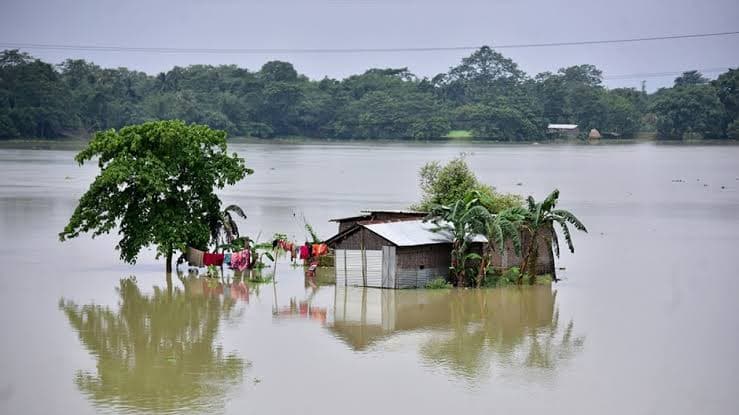
    • Geographical Context: Tamuli Gaon, located in Jorhat district, Assam, is approximately 40 km from Sivasagar district, which experienced severe flooding.

    • Flood Impact: The floods, noted as one of the worst localized floods in Assam since the 1950s, occurred on July 19-20, 2026. Sivasagar and Charaideo districts were heavily inundated, while Tamuli Gaon remained relatively unaffected due to its geographical positioning.

    • Village Demographics: Tamuli Gaon consists of 110 families.

    • Flood Dynamics: The village experienced inundation in low-lying paddy fields but was spared major flooding due to the strength of local embankments. The teacher, Biju Kumar Sarmah, noted that the floodwaters lost momentum before reaching Tamuli Gaon.

    • Future Risks: There are concerns about potential future floods, as the region is expected to receive substantial rainfall for at least two more months. The teacher expressed uncertainty about the village's safety against larger floods, highlighting the distance from Bihubar as a critical factor in flood dynamics.

    • Environmental Considerations: The mention of plantation drives indicates local efforts to reclaim and protect land from environmental degradation and flooding, reflecting community resilience strategies.

    • Climatic Factors: The report indirectly points to the broader implications of climate change and extreme weather events, which have increased the frequency and intensity of flooding in Assam.

    • Government Response: While not explicitly mentioned in the article, the context implies the need for better flood management policies and infrastructure improvements to protect vulnerable areas like Tamuli Gaon.

    • Constitutional Considerations: The issue of disaster management aligns with the principles outlined in the Constitution of India, particularly under the Directive Principles of State Policy (DPSP) which emphasize the state's responsibility to protect the environment and ensure the welfare of its citizens.

    This summary highlights the key facts and implications regarding the floods in Assam, focusing on geographical, environmental, and community resilience aspects while noting the constitutional context and potential policy implications.

    Groundwater Assessment and Management in India
    Environment and Ecology10-Aug-2026

    Groundwater Assessment and Management in India

    Groundwater Resources in India: Key Facts and Figures

    1. Groundwater Assessment:

      • Conducted by the Central Ground Water Board (CGWB) in collaboration with state governments.
      • Total annual groundwater recharge: 449 billion cubic meters (BCM).
      • Annual extractable groundwater resources: 408 BCM.
      • Total annual groundwater extraction: 247 BCM.
        • Breakdown of extraction:
          • Irrigation: 215 BCM (87%)
          • Domestic use (including drinking water): 28 BCM (11%)
          • Industrial use: 4 BCM (2%)
    2. Groundwater Extraction Levels:

      • National average extraction level: 60.63%.
      • States/UTs with higher extraction levels than the national average: Punjab, Rajasthan, Haryana, Delhi, Puducherry, Tamil Nadu, Uttar Pradesh, Chandigarh, Karnataka.
    Management of Invasive Plant Species
    Environment and Ecology10-Aug-2026

    Management of Invasive Plant Species

    Summary of Environmental Initiatives on Invasive Alien Species Management

    1. Ministry Involved: The Ministry of Environment, Forest and Climate Change (MoEFCC) is responsible for the identification and monitoring of Invasive Alien Plant Species (IAPS).

    2. Identification of IAPS:

      • The Indian Forest Survey (FSI) has compiled an album of 45 major invasive species.
      • Invasive plants are found in reserved forest areas in varying densities (dense, moderate, and sporadic).
    3. National Biodiversity Authority (NBA):

      • The Botanical Survey of India (BSI) has prepared a detailed, state-wise list of potentially invasive species for the NBA to assist in developing a national management plan.
    4. Management and Removal:

      • State governments and Union Territory administrations, along with relevant agencies, are tasked with the removal and control of invasive species in reserved and protected forest areas.
      • This work aligns with local needs and approved forest and wildlife management plans.
    Uttar Pradesh Enhances Zoonotic Disease Response
    Environment and Ecology10-Aug-2026

    Uttar Pradesh Enhances Zoonotic Disease Response

    Uttar Pradesh Animal Husbandry Initiatives on Zoonotic Diseases

    1. Government Initiatives:

      • The Uttar Pradesh Animal Husbandry Department is enhancing capabilities for the early identification and reporting of zoonotic diseases.
      • Development of a Compendium for Veterinarians on Zoonotic & Priority Animal Diseases to improve veterinary knowledge and standardize case definitions and reporting.
    2. One Health Approach:

      • Emphasis on the One Health framework, which promotes coordinated efforts across various sectors (animal health, human health, and environmental health) to tackle health threats.
      • Interdepartmental actions are being prioritized to strengthen One Health systems.
    3. Surveillance and Testing:

      • Implementation of ELISA-based testing for priority zoonotic diseases to enhance diagnostic capacity.
      • Active surveillance for conducted among migratory birds at in collaboration with the Forest and Wildlife Department.
  • Districts with extraction levels above the national average: 281 districts.
  • Water Availability:

    • Estimated average annual per capita water availability for 2021: 1,573.19 cubic meters.
  • Groundwater Quality:

    • Monitoring conducted under CGWB's quality monitoring program.
    • Groundwater is generally potable; 99% of monitoring stations report suitable quality for irrigation.
    • Specific issues identified in Bihar: Salinity, fluoride, nitrate contamination in certain localities.
    • Of 584 samples tested in Bihar, contamination levels exceeded permissible limits in:
      • Electrical conductivity: 5 samples
      • Fluoride: 39 samples
      • Nitrate: 78 samples
  • State Responsibilities:

    • States are primarily responsible for groundwater management, quality improvement, and recharge initiatives.
    • Central government supports through scientific studies, technical guidance, policy cooperation, and financial assistance.
  • Key Government Interventions:

    • National Aquifer Mapping and Management Program (NAQUIM):
      • Completed mapping of 2.5 million square kilometers, including 90,567 square kilometers in Bihar.
      • NAQUIM 2.0 focuses on detailed studies in priority areas, covering 76,857 square kilometers across 143 study areas.
  • Innovative Technologies:

    • Development of cement sealing technology for arsenic-free groundwater access.
    • 525 arsenic-free exploratory wells constructed, including 40 wells in Bihar.
  • Water Mission Initiatives:

    • Jal Jeevan Mission (JJM): Aims to provide quality drinking water to every rural household.
      • 82% of rural households (15.90 crore families) have been connected to tap water, including 1.60 crore families in Bihar.
    • Jal Shakti Abhiyan (JSA): Focuses on water conservation and recharge, with over 20 million works completed nationwide, including 575,000 works in Bihar.
    • Mission Amrit Sarovar: Development of water bodies to enhance groundwater recharge; approximately 69,000 sarovars developed, including 2,613 in Bihar.
  • Agricultural Schemes:

    • Pradhan Mantri Krishi Sinchai Yojana (PMKSY): Enhances irrigation access and promotes sustainable water-saving practices.
    • Per Drop More Crop (PDMC): Focuses on improving water use efficiency at the farm level through micro-irrigation techniques.
  • Conclusion

    The assessment and management of groundwater resources in India involve comprehensive monitoring and innovative strategies to ensure sustainable use and quality improvement. The government's multi-faceted approach includes significant initiatives aimed at enhancing water availability, quality, and agricultural productivity, particularly in water-scarce regions like Bihar.

  • Government Initiatives:

    • The government promotes the conservation, regeneration, and enhancement of local plant species through sustainable forest management practices.
    • The National Forest Policy, 1988 aims to maintain environmental stability, restore ecological balance, and increase forest/tree cover through plantation and regeneration using local species.
  • National Action Plan Code, 2023:

    • Provisions for ecosystem-based forest management are included, focusing on:
      • Management of invasive species.
      • Restoration of degraded forest areas.
      • Soil and moisture conservation measures.
      • Water resource management.
      • Prioritization of local species in regeneration and restoration activities considering local environmental conditions.
  • Environmental Benefits:

    • These measures aim to enhance soil moisture, groundwater recharge, water retention capacity, and overall ecosystem resilience.
  • Legislative and Policy Framework:

    • The initiatives are supported by constitutional provisions related to environmental protection and sustainable development, aligning with the Directive Principles of State Policy (DPSP) under Article 48A, which mandates the state to protect and improve the environment.
  • This structured approach reflects the government's commitment to tackling environmental challenges posed by invasive species while promoting biodiversity and ecological health.

    Avian Influenza
    19 Ramsar sites
  • Over 1,100 samples were collected during the previous migratory season and tested at the Indian Veterinary Research Institute (IVRI), Bareilly.
  • Targeted Districts:

    • Specific interventions to strengthen farm-level biosecurity are underway in Pilibhit and Gorakhpur districts.
    • Promotion of improved disease prevention and infection control practices in these areas.
  • Training Programs:

    • A State-Level Training of Trainers (ToT) program for government veterinarians is planned to bolster One Health systems and improve interdepartmental coordination.
  • Focus Areas:

    • Attention on emerging zoonotic threats, spillover risks, and multisectoral strategies for disease prevention.
    • Continued surveillance efforts for the upcoming migratory bird season across Ramsar sites and wetlands.
  • Economic and Health Impact:

    • Strengthening of the veterinary public health infrastructure is crucial for preventing outbreaks that can have economic repercussions on agriculture and public health.
    • Enhanced surveillance and rapid response capabilities are vital for safeguarding both animal and human health.
  • Conclusion: The Uttar Pradesh government is taking significant measures to enhance its response to zoonotic diseases through improved surveillance, training, and a comprehensive One Health approach, aligning with global health security initiatives.