iAspirants
Delhi's Bio-CBG Plants Initiative
Published on:
Share this post
Article Summary
Summary of Bio-CBG Plants Proposal in Delhi
Key Facts:
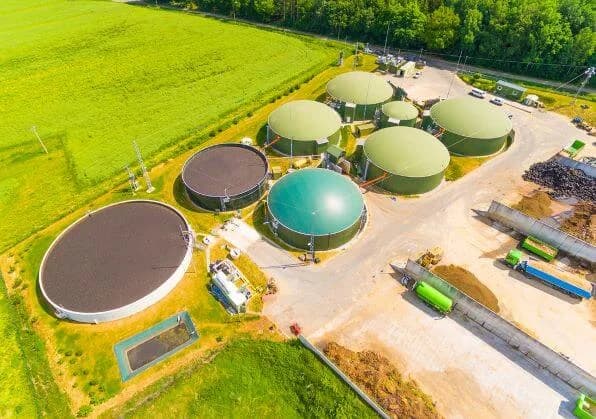
- Project Initiation: The Municipal Corporation of Delhi (MCD) has proposed the establishment of two bio-compressed biogas (Bio-CBG) plants in Tehkhand and Okhla.
- Capacity: The combined capacity of the plants will be 800 tonnes of wet waste per day (500 tonnes/day at Tehkhand and 300 tonnes/day at Okhla).
- Land Requirement: The Tehkhand plant will occupy 10 acres, while the Okhla plant will use 7 acres.
Objectives:
- To convert segregated organic waste into compressed biogas and organic fertilizer.
- To reduce the volume of waste sent to landfill sites.
- To enhance source segregation of waste and improve treatment capacity for wet waste.
Current Waste Management Data:
- Delhi generates approximately 13,500 metric tonnes of municipal solid waste daily.
- Currently, about 7,500 tonnes are processed through waste-to-energy plants and existing biogas facilities.
Government Initiatives:
- The project aligns with the government's "waste-to-wealth" approach, transforming waste into valuable resources.
- Promotes sustainable practices in waste management, contributing to environmental benefits and clean energy.
Statements from Officials:
- Chief Minister Rekha Gupta: Emphasized the initiative as a solution to a significant civic challenge, highlighting its benefits for the environment and agriculture.
- Delhi Mayor Pravesh Wahi: Stressed the importance of the project in scientific waste processing and its potential to lessen the burden on landfill sites.
Collaborative Efforts:
- The project is a result of a memorandum of understanding (MoU) signed between MCD and Oil India Limited (OIL), indicating a partnership between government and public sector entities.
Environmental Impact:
- The initiative aims to generate clean fuel and organic fertilizer, thereby supporting agricultural activities and promoting ecological sustainability.
Conclusion: The establishment of Bio-CBG plants in Delhi represents a significant step towards effective waste management, clean energy generation, and environmental conservation, reflecting broader governmental goals of sustainable development and resource optimization.
Key Terms & Concepts
| Bio-CBG plants | Converts waste to biogas |
| Tehkhand and Okhla | Locations for biogas plants |
| 800 tonnes | Daily processing capacity |
| MoU | Agreement between MCD and OIL |
| Municipal Corporation of Delhi | Local governing body |
| Oil India Limited | Partner in biogas project |
| 13,500 metric tonnes | Daily municipal solid waste generation |
| 7,500 tonnes | Processed waste daily |
| 500-tonne and 300-tonne | Sizes of biogas plants |
| Waste-to-wealth approach | Government initiative |