iAspirants
Current AffairsPrelims PYQsUPSC CSE SyllabusUPSC CSE StrategyBlogsPricing
Login
iAspirants

Your AI-powered companion for UPSC preparation.

Quick Links

  • Home
  • About Us
  • Current Affairs
  • Prelims PYQs
  • UPSC CSE Syllabus
  • UPSC CSE Strategy
  • Blogs

Company

  • Pricing
  • FAQs
  • Contact Us
  • Login

Legal

  • Privacy Policy
  • Terms & Conditions
  • Return Policy

© 2025 iAspirants, Inc. All rights reserved.

  1. Blogs
  2. National and international importance

Delhi Blast Investigation Unfolds

Published on: 15-Nov-2025

Share this post

Delhi Blast Investigation Unfolds

Article Summary

Summary of Delhi Blast Incident and Subsequent Developments

Incident Overview:

  • Date & Time: November 10, 2025, 6:55 PM.
  • Location: Nearby Red Fort, Delhi.
  • Casualties: At least 13 fatalities and over 20 injuries occurred due to a car explosion.
  • Recognized as a "terror incident" by authorities on November 12, 2025.

Witness Accounts:

  • Eyewitnesses described scenes of chaos, shattered glass, and casualties shortly after the blast.
  • The blast occurred near where Prime Minister Narendra Modi delivered an Independence Day speech in August, asserting a “new normal” following heightened security measures.

Legal Actions Taken:

  • FIR was lodged under:
    • Unlawful Activities (Prevention) Act, 1967
    • Explosive Substances Act, 1908
    • Sections of the Bharatiya Nyaya Sanhita, 2023 (Sections 103(1), 109(1), 61(2) relating to murder, conspiracy).
  • The National Investigation Agency (NIA) is handling the case.

Terror Network Investigation:

  • Operation led to arrests of nine suspects linked to a broader terror module.
  • Pre-blast investigation revealed the recovery of 360 kg of explosives (ammonium nitrate) and weapons over recent weeks, indicating extensive planning.
  • Encounters with Jaish-e-Mohammad and al-Qaeda-affiliated Ansar Ghazwat ul Hind highlighted transnational terror links.

Key Arrests and Evidence:

  • Dr. Muzammil Ahmad Ganaie, a suspect arrested on October 30, had rented a room where explosives were found.
  • Dr. Umar ul Nabi, identified as the vehicle operator during the blast, was confirmed deceased. His actions, closely monitored on CCTV, suggested detailed reconnaissance in Delhi leading up to the attack.
  • Poster campaigns in Kashmir by local clerics promoting non-cooperation with authorities led investigators to link terror suspects to the blast.

Operational Context:

  • Union Home Minister Amit Shah spoke previously about counter-terror operations in Jammu and Kashmir, emphasizing that local recruitment into terrorism had dropped significantly.
  • Investigations revealed an orchestrated effort to radicalize young professionals, leveraging academic backgrounds for recruitment and operational executions.
  • Fundraising and logistics were conducted through professional networks, facilitating the clandestine operations of the terror module.

Community Impact:

  • Victims include individuals employed for various purposes in Delhi, with ongoing recovery efforts for the injured highlighted as challenging.
  • Local communities were deeply affected, with multiple families experiencing loss or trauma due to the blast.

Operation Timeline:

  • The criminal conspiracy and preparation reportedly spanned over two years, with an escalation in recent months.
  • Investigations suggest a calculated move to create a robust, white-collar terror network potentially using professional cover to evade detection.

Additional Findings:

  • Ongoing investigations involve checking international travel of suspects, particularly those who visited the UAE, Saudi Arabia, and Turkey.
  • Local police and security agencies have enhanced vigilance following the attack, examining similar vulnerabilities in urban areas across India.

This incident underscores the significant challenges faced by security agencies in thwarting coordinated terror attacks and the need for vigilant community engagement and intelligence sharing.

Key Terms & Concepts

Delhi Fire ServicesResponded to the blast incident
Red FortLocation of the blast
Unlawful Activities (Prevention) Act, 1967Legal framework for investigation
Explosives Substances Act, 1908Legal framework for explosives-related crime
Bharatiya Nyaya Sanhita, 2023Legal code for criminal conspiracy
National Investigation AgencyConducting the primary investigation
Jaish-e-MohammadLinked to terror activities
al QaedaAffiliated terror group
Operation SindoorResponse to prior terrorist attacks
₹10,000Salary of arrested imam
360 kilogramsAmount of recovered explosives
November 10, 2025Date of the blast incident

Mind Map for UPSC Civil Services Revision

Turn UPSC Civil Services Current Affairs Into Exam-Ready Notes

Reading National and international importance current affairs is half the work. Revise them with ready-made notes and test what actually stuck.

  • Daily UPSC Civil Services current affairs analysis
  • Revision notes, mind maps & MCQs
  • Prelims mock tests with instant results

Related UPSC Civil Services Current Affairs Articles

Indian Army to Launch AASHVAST Labs
National and International Importance21-Sep-2026

Indian Army to Launch AASHVAST Labs

Exam-Focused Notes on AASHVAST Labs Implementation by Indian Army

  1. AASHVAST Lab Overview:

    • Full form: Assessment and Analysis of Electronic Systems Hardware for Vulnerabilities and Security Threats.
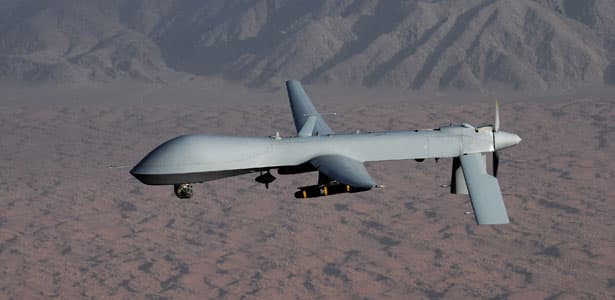
    • Purpose: To ensure drones and CCTV cameras undergo inspections for firmware vulnerabilities to enhance operational efficiency and security in contested areas.
Lok Nayak HospitalHospital for injured victims
FaridabadLocation of related police press conference
Fatehpur Taga villageLocation of explosive recovery
ShamliHometown of one victim
2,900 kgAmount of IED-making material seized
AK-Krinkov rifleWeapon recovered during investigation
  • Operational Details:

    • Six labs to be established; one inaugurated in Delhi.
    • Aimed at evaluating drones, with expansion plans for future inclusion of CCTV systems.
  • Development and Support:

    • Developed by QuickPay Pvt Ltd for the Directorate General of Electronics and Mechanical Engineering (DG EME).
    • Aligned with the national vision of Atmanirbhar Bharat (self-reliant India) to bolster the domestic defense ecosystem.
  • Technology and Vulnerabilities:

    • The suite identifies approximately 14 types of vulnerabilities, including:
      • Geospatial malfunctions affecting location-based operations.
      • Issues from unused and hidden codes causing premature drone termination.
      • Time/location bugs impacting functionality at specific times or geographies.
    • Focus on preventing enemy interference and ensuring drones operate effectively without foreign vulnerabilities.
  • Cyber Resilience and Security:

    • AASHVAST labs enhance cyber resilience for critical defense platforms.
    • They will check for foreign-origin components—especially from China—in a push to eliminate dependency on these parts for national security.
  • Regulatory and Strategic Adjustments:

    • In 2025, the Army Design Bureau proposed a framework to the Ministry of Defence targeting the removal of Chinese components from UAVs.
    • Previous prohibition on using Chinese parts by domestic military drone manufacturers due to national security concerns.
  • Judicial and Policy Implications:

    • The Indian Army emphasizes stringent checks to prevent misrepresentation of foreign parts as indigenous, safeguarding against both operational failures and potential espionage threats.
  • Potential Impact:

    • The initiative represents a significant advancement in India’s defense capabilities, contributing to operational readiness and enhancing domestic manufacturing standards in defense technology.
    • Ensuring that drones meet stringent security protocols impacts national defense strategy and geopolitical stability, particularly along eastern borders.
  • Future Considerations:

    • Continuous monitoring and upgrading of inspection protocols as technology evolves.
    • Collaboration with domestic tech firms to innovate and strengthen drone technology against both cyber and physical threats.
  • These notes provide a comprehensive understanding of the AASHVAST initiative, reflecting its strategic importance, technological intricacies, and implications for India’s defense posture.

    Protection of Traditional Indian Crafts
    National and International Importance21-Sep-2026

    Protection of Traditional Indian Crafts

    Exam-Focused Summary on Intellectual Property and Traditional Crafts

    Cultural Context and Challenges:

    • Traditional Indian crafts like Kolhapuri chappals and aari embroidery are being appropriated by luxury fashion brands (e.g., Ralph Lauren, Fendi) without recognition of their cultural origins.
    • There exists a fundamental contradiction in intellectual property law: intellectual property is territorial, but culture is not.

    Intellectual Property Issues:

    • Traditional crafts often lack identifiable legal ownership; they are collectively developed and passed down through generations.
    • Geographical Indication (GI) Act: This act allows communities to protect names and origins of their crafts but doesn’t cover every aspect of a craft (e.g., motifs, designs).
    • Article 1 and Article 3 of the GI Act: Provide rights to registered proprietors to defend and seek relief against infringement; however, the practical exercise of these rights requires organized community representation.

    Economic Disparities and Legal Framework:

    • There is a significant imbalance in resources between traditional communities and multinational corporations, leading to exploitation.
    • Suggestions for a specialized legal framework or sui generis laws aimed at traditional cultural expressions are proposed. This could address:
      • Community representation.
      • Mandatory attribution for usage of their crafts.
      • Fair economic benefit-sharing when commercializing traditional knowledge.

    Documentation and Preservation:

    • The challenge of documenting traditional knowledge is recognized. Care must be taken not to overly restrict sacred or secret knowledge.
    • A digital registry could aid in documenting motifs, techniques, and custodianship, potentially increasing legal protection against appropriation.

    Judicial and International Considerations:

    • World Intellectual Property Organization (WIPO) is in negotiations to create international frameworks addressing these appropriation issues.
    • 2024 WIPO treaty: This will cover genetic resources and traditional knowledge, indicating a shift in international IP law towards recognizing rights of communities in traditional crafts.

    Cultural and Economic Rights:

    • Protection mechanisms should allow artisans to maintain cultural practice and development while preventing unauthorized commercial exploitation by luxury brands.
    • Proposals include giving communities a formal legal identity, enabling protected rights, asking for fair acknowledgment, and benefiting economically from their cultural heritage.

    Conclusion and Future Prospects:

    • The balance between encouraging the evolution of traditional crafts and preserving their authenticity is crucial. Legal frameworks must support communities in monitoring and enforcing their rights without hindering the natural flow of artistic evolution.
    • The recognition of community custodianship could better appreciate traditional crafts while assuring fair participation in their commercial success, integrating economic empowerment with cultural preservation.

    Key Takeaways:

    • Recognition of traditional craftsmanship is critical in preventing cultural misappropriation.
    • Effective legal frameworks and community engagement are necessary for the protection of cultural heritage.
    • Ongoing international dialogues, such as those at WIPO, highlight the complex relationship between traditional knowledge and modern IP law.
    HAL Delivers Advanced Aircraft to IAF
    National and International Importance17-Sep-2026

    HAL Delivers Advanced Aircraft to IAF

    Exam-Focused Notes

    Key Facts and Data:

    • Date of Event: September 18, 2026
    • Location: Bengaluru, Karnataka
    • Participants:
      • Defense Minister: Rajnath Singh
      • Civil Aviation Minister: K. Ram Mohan Naidu
      • Chief of Air Staff: Air Chief Marshal A.P. Singh
      • Other senior officials from the Ministry of Defence, Ministry of Civil Aviation, HAL, and regulatory agencies.

    Constitutional References:

    • Self-Reliance in Defence: The event aligns with the constitutional commitment to promote self-reliance and indigenous capabilities in defense and aerospace sectors, reflecting the Directive Principles of State Policy (DPSP) to promote self-sufficiency.

    Government Schemes and Policies:

    • Atmanirbhar Bharat (Self-Reliant India): This initiative emphasizes the development of indigenous capabilities in various sectors, particularly in defense and aerospace.
    • Indigenous Design and Development: The government prioritizes the promotion of indigenous design, development, and manufacturing in the aerospace and defense sectors to reduce dependence on foreign sources.

    Defense Equipment Transferred:

    1. Light Combat Aircraft (LCA) Tejas:
      • Type: Twin-Seater Trainer
    2. HTT-40:
      • Type: Basic Trainer Aircraft
    3. Dhruv Next Generation (NG) Helicopter:
      • Transferred to Pawan Hans Limited (PHL)

    Economic Indicators:

    • Impact on Domestic Aerospace Ecosystem: The transfer of these aircraft is expected to strengthen the domestic aerospace ecosystem, enhancing industrial capabilities and promoting economic growth within the sector.

    International and National Importance:

    • Strengthening Defense Capabilities: The event marks a significant milestone in India's journey towards self-reliance in defense manufacturing, showcasing the country's growing capabilities in designing and producing advanced platforms for both civilian and military use.

    Science and Technology:

    • Advancements in Aerospace Technologies: The event is indicative of the advancements in aerospace technologies and reflects the increasing role of the industry in national defense.
    • Role of HAL: Hindustan Aeronautics Limited (HAL) plays a crucial role in the design, development, and production of defense and aerospace platforms, highlighting the importance of public sector undertakings in achieving self-reliance.

    Summary:

    The handover of the LCA Tejas twin-seater trainer, HTT-40 basic trainer aircraft, and Dhruv NG helicopter on September 18, 2026, in Bengaluru is a pivotal moment for India's defense sector, reinforcing the government’s commitment to self-reliance through indigenous manufacturing and development in aerospace. This initiative is part of the Atmanirbhar Bharat policy, aimed at reducing dependence on foreign technology and enhancing domestic capabilities. The event will be attended by key officials from various ministries and represents a significant step in India's defense manufacturing journey.

    BRICS Summit Addresses Health Challenges
    National and International Importance16-Sep-2026

    BRICS Summit Addresses Health Challenges

    Exam-Focused Notes on BRICS Summit 2026 Outcomes

    Overview

    • The BRICS Summit 2026 focused on security, trade, and the economy, but also addressed emerging health risks among its population, amidst significant differences in development stages among member countries.

    Key Initiatives

    1. BRICS Mission for Healthy Lifestyle

      • Emphasis on preventive health with the endorsement of a roadmap for promoting healthy lifestyles from 2026-2029.
      • Introduction of a Compendium of Replicable Best Practices on Healthy Lifestyle, aiming to share successful health strategies among member nations.
    2. Focus Areas

      • Shift towards a comprehensive understanding of nutrition that extends beyond food availability to include diet quality and lifestyle.

    Health Challenges in BRICS Nations

    • Member countries face diverse health challenges:
      • Ethiopia: Food insecurity and undernutrition remain critical issues.
      • India and Indonesia: High levels of maternal and child undernutrition alongside increasing rates of obesity and non-communicable diseases (NCDs).
      • China and Brazil: Progress in reducing undernutrition but rising diet-related diseases such as diabetes and hypertension.
      • Gulf Countries: Major public health concerns centered around obesity and diabetes prevalence.

    Socioeconomic Factors

    • Economic growth and urbanization leading to shifts in dietary habits:
      • Traditional diets are increasingly replaced by processed and convenience foods.
      • Increased dining out and online food orders with decreasing physical activity among children.

    Policy Response

    • Current nutrition policies focus on:
      • Hunger alleviation.
      • Nutritional support during the critical 1,000 days from conception to two years.
    • Highlighted need for integrated approaches linking agriculture, food production, nutrition, and health systems.

    Future Directions

    • Poshan Maah: India's initiative emphasizing nutritional health while extending focus to adolescents and lifelong healthy habits.
    • Schools identified as vital institutions in promoting preventive health, requiring:
      • Integration of nutrition education, healthy meal regulations, and physical activity into daily curriculum.

    Action Points

    • Member countries encouraged to leverage the BRICS framework for actionable health policies.
    • Urgent need to transition alongside existing challenges like hunger, towards enabling better food and lifestyle choices for sustainable health.

    Conclusion

    • The BRICS Summit has opened avenues for a unified approach to tackle both hunger and the dual burden of undernutrition and lifestyle-related diseases, emphasizing the need for cohesive actions in public health strategy.