iAspirants
Current AffairsPrelims PYQsUPSC CSE SyllabusUPSC CSE StrategyBlogsPricing
Login
iAspirants

Your AI-powered companion for UPSC preparation.

Quick Links

  • Home
  • About Us
  • Current Affairs
  • Prelims PYQs
  • UPSC CSE Syllabus
  • UPSC CSE Strategy
  • Blogs

Company

  • Pricing
  • FAQs
  • Contact Us
  • Login

Legal

  • Privacy Policy
  • Terms & Conditions
  • Return Policy

© 2025 iAspirants, Inc. All rights reserved.

  1. Blogs
  2. National and International Importance

Defense Minister Highlights Technological Advancements

Published on: 04-May-2026

Share this post

Defense Minister Highlights Technological Advancements

Article Summary

Summary of North Tech Symposium Highlights

Key Insights from Defense Minister Rajnath Singh:

  1. Technological Advancements: Emphasized the need for research and unexpected innovations to prepare for future warfare in a technology-driven era. Nations that quickly adopt technological revolutions will gain a decisive edge in future conflicts.

  2. Defense Production Growth:

    • FY 2025-26 projected defense production to reach ₹1.54 lakh crore.
    • Defense exports have reached an all-time high of ₹38,424 crore.
  3. DRDO Initiatives:

    • Over 2,200 technologies have been transferred to industries by DRDO.
    • 25% of the defense research and development budget allocated to industries, educational institutions, and startups, totaling over ₹4,500 crore utilized so far.
    • New technology transfer policy waives the initial 20% fee for development partners.
  4. Emerging Technologies:

    • Focus on directed energy weapons, hypersonic weapons, underwater and space awareness, quantum technology, AI, and machine learning.
    • Notable examples of technological progress include Operation Sindoor, showcasing India's advanced indigenous capabilities.
  5. Government Schemes:

    • Initiatives like Innovation for Defense Excellence (iDEX), Acting Development of Innovative Technologies with iDEX (ADITI), and Technology Development Fund (TDF) are designed to boost innovation and private sector participation.
  6. Defense Infrastructure:

    • Emphasis on developing defense infrastructure, particularly the establishment of the Defense Industrial Corridor in Uttar Pradesh.
  7. International Collaboration:

    • Increased interest from foreign companies in partnerships with Indian defense firms, highlighting the growing reputation of Indian defense industries in international markets.

Importance of Research and Development:

  • The Minister stressed that research is crucial for determining how future wars will be fought, with current laboratory developments shaping the battlefield.

Operational Preparedness:

  • Modern warfare's rapid evolution exemplified by the shift from traditional tanks and missiles to drones and sensors, as seen in the Russia-Ukraine conflict.
  • The need for India to enhance capabilities for unexpected strikes against adversaries was highlighted.

Symposium Objectives:

  • The North Tech Symposium aimed to address operational challenges and foster indigenous technological solutions.
  • It served as a platform for collaboration among defense forces, industries, startups, and academia.

Focus Areas Identified:

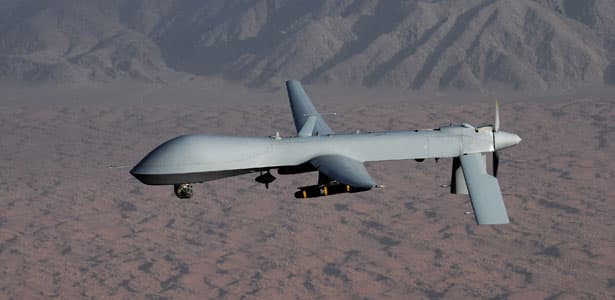
  • Specific capabilities like UAVs, counter-UAV systems, AI-enabled decision-making tools, and advanced artillery systems are deemed critical for battlefield dominance.

Exhibition and Participation:

  • 284 companies showcased indigenous solutions at the symposium, with a focus on innovations by MSMEs, private defense tech firms, and startups.

Conclusion:

The North Tech Symposium underscored India's commitment to advancing its defense capabilities through technological innovation and collaboration among various stakeholders, aiming to establish itself as a formidable military power on the global stage.

Key Terms & Concepts

DRDOTransferred over 2,200 technologies
Operation SindoorExample of military preparedness
Fiscal Year 2025-26Defense production reached ₹1.54 lakh crore
Defense exportsReached all-time high of ₹38,424 crore
AI and MLEmerging fields in defense tech
Quantum TechnologyKey area for defense research
Innovation for Defense Excellence (iDEX)Government initiative for innovation
Technology Development Fund (TDF)Promotes private sector participation
Defense Industrial CorridorInfrastructure project in Uttar Pradesh
Hyper-sonic weaponsFocus area for military advancements
GermanyCountry showing interest in partnerships
North Tech SeminarPlatform for defense tech innovation

Mind Map for UPSC Civil Services Revision

Turn UPSC Civil Services Current Affairs Into Exam-Ready Notes

Reading National and International Importance current affairs is half the work. Revise them with ready-made notes and test what actually stuck.

  • Daily UPSC Civil Services current affairs analysis
  • Revision notes, mind maps & MCQs
  • Prelims mock tests with instant results

Related UPSC Civil Services Current Affairs Articles

Indian Army to Launch AASHVAST Labs
National and International Importance21-Sep-2026

Indian Army to Launch AASHVAST Labs

Exam-Focused Notes on AASHVAST Labs Implementation by Indian Army

  1. AASHVAST Lab Overview:

    • Full form: Assessment and Analysis of Electronic Systems Hardware for Vulnerabilities and Security Threats.
    • Purpose: To ensure drones and CCTV cameras undergo inspections for firmware vulnerabilities to enhance operational efficiency and security in contested areas.
MSMEsParticipants showcasing indigenous solutions
Artificial IntelligenceCritical for modern warfare
  • Operational Details:

    • Six labs to be established; one inaugurated in Delhi.
    • Aimed at evaluating drones, with expansion plans for future inclusion of CCTV systems.
  • Development and Support:

    • Developed by QuickPay Pvt Ltd for the Directorate General of Electronics and Mechanical Engineering (DG EME).
    • Aligned with the national vision of Atmanirbhar Bharat (self-reliant India) to bolster the domestic defense ecosystem.
  • Technology and Vulnerabilities:

    • The suite identifies approximately 14 types of vulnerabilities, including:
      • Geospatial malfunctions affecting location-based operations.
      • Issues from unused and hidden codes causing premature drone termination.
      • Time/location bugs impacting functionality at specific times or geographies.
    • Focus on preventing enemy interference and ensuring drones operate effectively without foreign vulnerabilities.
  • Cyber Resilience and Security:

    • AASHVAST labs enhance cyber resilience for critical defense platforms.
    • They will check for foreign-origin components—especially from China—in a push to eliminate dependency on these parts for national security.
  • Regulatory and Strategic Adjustments:

    • In 2025, the Army Design Bureau proposed a framework to the Ministry of Defence targeting the removal of Chinese components from UAVs.
    • Previous prohibition on using Chinese parts by domestic military drone manufacturers due to national security concerns.
  • Judicial and Policy Implications:

    • The Indian Army emphasizes stringent checks to prevent misrepresentation of foreign parts as indigenous, safeguarding against both operational failures and potential espionage threats.
  • Potential Impact:

    • The initiative represents a significant advancement in India’s defense capabilities, contributing to operational readiness and enhancing domestic manufacturing standards in defense technology.
    • Ensuring that drones meet stringent security protocols impacts national defense strategy and geopolitical stability, particularly along eastern borders.
  • Future Considerations:

    • Continuous monitoring and upgrading of inspection protocols as technology evolves.
    • Collaboration with domestic tech firms to innovate and strengthen drone technology against both cyber and physical threats.
  • These notes provide a comprehensive understanding of the AASHVAST initiative, reflecting its strategic importance, technological intricacies, and implications for India’s defense posture.

    Protection of Traditional Indian Crafts
    National and International Importance21-Sep-2026

    Protection of Traditional Indian Crafts

    Exam-Focused Summary on Intellectual Property and Traditional Crafts

    Cultural Context and Challenges:

    • Traditional Indian crafts like Kolhapuri chappals and aari embroidery are being appropriated by luxury fashion brands (e.g., Ralph Lauren, Fendi) without recognition of their cultural origins.
    • There exists a fundamental contradiction in intellectual property law: intellectual property is territorial, but culture is not.

    Intellectual Property Issues:

    • Traditional crafts often lack identifiable legal ownership; they are collectively developed and passed down through generations.
    • Geographical Indication (GI) Act: This act allows communities to protect names and origins of their crafts but doesn’t cover every aspect of a craft (e.g., motifs, designs).
    • Article 1 and Article 3 of the GI Act: Provide rights to registered proprietors to defend and seek relief against infringement; however, the practical exercise of these rights requires organized community representation.

    Economic Disparities and Legal Framework:

    • There is a significant imbalance in resources between traditional communities and multinational corporations, leading to exploitation.
    • Suggestions for a specialized legal framework or sui generis laws aimed at traditional cultural expressions are proposed. This could address:
      • Community representation.
      • Mandatory attribution for usage of their crafts.
      • Fair economic benefit-sharing when commercializing traditional knowledge.

    Documentation and Preservation:

    • The challenge of documenting traditional knowledge is recognized. Care must be taken not to overly restrict sacred or secret knowledge.
    • A digital registry could aid in documenting motifs, techniques, and custodianship, potentially increasing legal protection against appropriation.

    Judicial and International Considerations:

    • World Intellectual Property Organization (WIPO) is in negotiations to create international frameworks addressing these appropriation issues.
    • 2024 WIPO treaty: This will cover genetic resources and traditional knowledge, indicating a shift in international IP law towards recognizing rights of communities in traditional crafts.

    Cultural and Economic Rights:

    • Protection mechanisms should allow artisans to maintain cultural practice and development while preventing unauthorized commercial exploitation by luxury brands.
    • Proposals include giving communities a formal legal identity, enabling protected rights, asking for fair acknowledgment, and benefiting economically from their cultural heritage.

    Conclusion and Future Prospects:

    • The balance between encouraging the evolution of traditional crafts and preserving their authenticity is crucial. Legal frameworks must support communities in monitoring and enforcing their rights without hindering the natural flow of artistic evolution.
    • The recognition of community custodianship could better appreciate traditional crafts while assuring fair participation in their commercial success, integrating economic empowerment with cultural preservation.

    Key Takeaways:

    • Recognition of traditional craftsmanship is critical in preventing cultural misappropriation.
    • Effective legal frameworks and community engagement are necessary for the protection of cultural heritage.
    • Ongoing international dialogues, such as those at WIPO, highlight the complex relationship between traditional knowledge and modern IP law.
    HAL Delivers Advanced Aircraft to IAF
    National and International Importance17-Sep-2026

    HAL Delivers Advanced Aircraft to IAF

    Exam-Focused Notes

    Key Facts and Data:

    • Date of Event: September 18, 2026
    • Location: Bengaluru, Karnataka
    • Participants:
      • Defense Minister: Rajnath Singh
      • Civil Aviation Minister: K. Ram Mohan Naidu
      • Chief of Air Staff: Air Chief Marshal A.P. Singh
      • Other senior officials from the Ministry of Defence, Ministry of Civil Aviation, HAL, and regulatory agencies.

    Constitutional References:

    • Self-Reliance in Defence: The event aligns with the constitutional commitment to promote self-reliance and indigenous capabilities in defense and aerospace sectors, reflecting the Directive Principles of State Policy (DPSP) to promote self-sufficiency.

    Government Schemes and Policies:

    • Atmanirbhar Bharat (Self-Reliant India): This initiative emphasizes the development of indigenous capabilities in various sectors, particularly in defense and aerospace.
    • Indigenous Design and Development: The government prioritizes the promotion of indigenous design, development, and manufacturing in the aerospace and defense sectors to reduce dependence on foreign sources.

    Defense Equipment Transferred:

    1. Light Combat Aircraft (LCA) Tejas:
      • Type: Twin-Seater Trainer
    2. HTT-40:
      • Type: Basic Trainer Aircraft
    3. Dhruv Next Generation (NG) Helicopter:
      • Transferred to Pawan Hans Limited (PHL)

    Economic Indicators:

    • Impact on Domestic Aerospace Ecosystem: The transfer of these aircraft is expected to strengthen the domestic aerospace ecosystem, enhancing industrial capabilities and promoting economic growth within the sector.

    International and National Importance:

    • Strengthening Defense Capabilities: The event marks a significant milestone in India's journey towards self-reliance in defense manufacturing, showcasing the country's growing capabilities in designing and producing advanced platforms for both civilian and military use.

    Science and Technology:

    • Advancements in Aerospace Technologies: The event is indicative of the advancements in aerospace technologies and reflects the increasing role of the industry in national defense.
    • Role of HAL: Hindustan Aeronautics Limited (HAL) plays a crucial role in the design, development, and production of defense and aerospace platforms, highlighting the importance of public sector undertakings in achieving self-reliance.

    Summary:

    The handover of the LCA Tejas twin-seater trainer, HTT-40 basic trainer aircraft, and Dhruv NG helicopter on September 18, 2026, in Bengaluru is a pivotal moment for India's defense sector, reinforcing the government’s commitment to self-reliance through indigenous manufacturing and development in aerospace. This initiative is part of the Atmanirbhar Bharat policy, aimed at reducing dependence on foreign technology and enhancing domestic capabilities. The event will be attended by key officials from various ministries and represents a significant step in India's defense manufacturing journey.

    BRICS Summit Addresses Health Challenges
    National and International Importance16-Sep-2026

    BRICS Summit Addresses Health Challenges

    Exam-Focused Notes on BRICS Summit 2026 Outcomes

    Overview

    • The BRICS Summit 2026 focused on security, trade, and the economy, but also addressed emerging health risks among its population, amidst significant differences in development stages among member countries.

    Key Initiatives

    1. BRICS Mission for Healthy Lifestyle

      • Emphasis on preventive health with the endorsement of a roadmap for promoting healthy lifestyles from 2026-2029.
      • Introduction of a Compendium of Replicable Best Practices on Healthy Lifestyle, aiming to share successful health strategies among member nations.
    2. Focus Areas

      • Shift towards a comprehensive understanding of nutrition that extends beyond food availability to include diet quality and lifestyle.

    Health Challenges in BRICS Nations

    • Member countries face diverse health challenges:
      • Ethiopia: Food insecurity and undernutrition remain critical issues.
      • India and Indonesia: High levels of maternal and child undernutrition alongside increasing rates of obesity and non-communicable diseases (NCDs).
      • China and Brazil: Progress in reducing undernutrition but rising diet-related diseases such as diabetes and hypertension.
      • Gulf Countries: Major public health concerns centered around obesity and diabetes prevalence.

    Socioeconomic Factors

    • Economic growth and urbanization leading to shifts in dietary habits:
      • Traditional diets are increasingly replaced by processed and convenience foods.
      • Increased dining out and online food orders with decreasing physical activity among children.

    Policy Response

    • Current nutrition policies focus on:
      • Hunger alleviation.
      • Nutritional support during the critical 1,000 days from conception to two years.
    • Highlighted need for integrated approaches linking agriculture, food production, nutrition, and health systems.

    Future Directions

    • Poshan Maah: India's initiative emphasizing nutritional health while extending focus to adolescents and lifelong healthy habits.
    • Schools identified as vital institutions in promoting preventive health, requiring:
      • Integration of nutrition education, healthy meal regulations, and physical activity into daily curriculum.

    Action Points

    • Member countries encouraged to leverage the BRICS framework for actionable health policies.
    • Urgent need to transition alongside existing challenges like hunger, towards enabling better food and lifestyle choices for sustainable health.

    Conclusion

    • The BRICS Summit has opened avenues for a unified approach to tackle both hunger and the dual burden of undernutrition and lifestyle-related diseases, emphasizing the need for cohesive actions in public health strategy.