iAspirants
Current AffairsPrelims PYQsUPSC CSE SyllabusUPSC CSE StrategyBlogsPricing
Login
iAspirants
Current AffairsPrelims PYQsUPSC CSE SyllabusUPSC CSE StrategyBlogsPricingContact UsLoginSignUp
iAspirants

Your AI-powered companion for UPSC preparation.

Study Resources

  • Current Affairs
  • Prelims PYQs
  • UPSC CSE Syllabus
  • UPSC CSE Strategy
  • Blogs

Practice & Plans

  • Mains Answer Evaluation
  • Pricing
  • Sign Up
  • Login

Company

  • Home
  • About Us
  • Contact Us
  • FAQs

Legal

  • Privacy Policy
  • Terms & Conditions
  • Return Policy

© 2026 iAspirants, Inc. All rights reserved.

  1. Blogs
  2. Environment and Ecology

Cyclone Arnab Triggers Odisha Landslides

Published on: 22-Nov-2026

Source: The Hindu

Share this post

Cyclone Arnab Triggers Odisha Landslides

Article Summary

Summary of Facts and Data

Environmental Disaster Overview

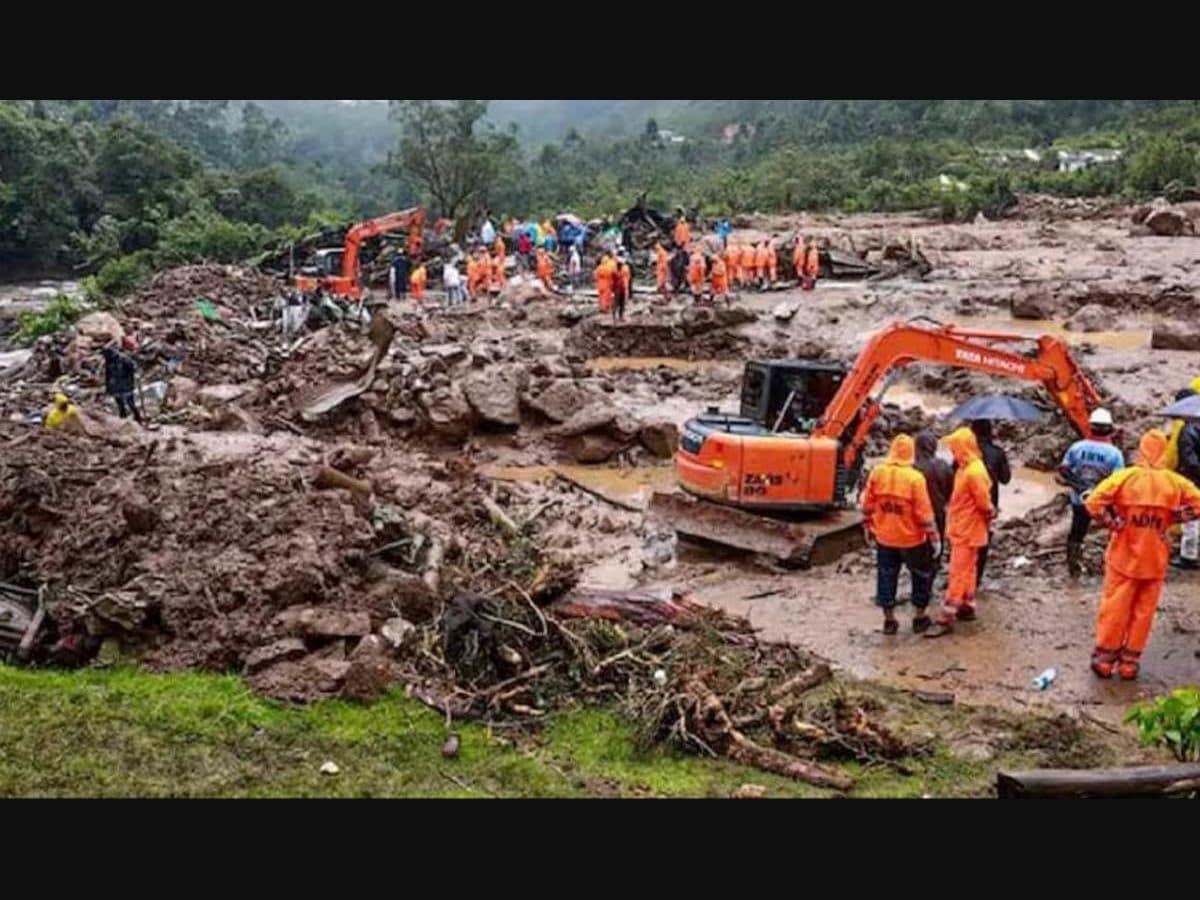
  • Event: Landslides triggered by Cyclone Arnab in Odisha on October 28.
  • Fatalities:
    • Total deaths: 17 from landslides in Odisha this year.
    • Specific incidents:
      • Gidipabali village (Ganjam district) - 7 confirmed dead.
      • Dangeshi village (Kandhamal district) - 3 confirmed dead.
  • Missing Persons: 6 individuals unaccounted for after the disaster.
  • Injuries: Reports indicate injuries sustained by residents; specific note of one family receiving treatment in G. Udayagiri.

Geographical and Demographic Impact

  • Affected Areas:
    • Major incidents concentrated in:
      • Kandhamal district: 59 landslides (highest number).
      • Gajapati district: 13 landslides.
      • Koraput district: 12 landslides.
      • Keonjhar district: 6 landslides.
      • Ganjam district: one major landslide.
      • Rayagada district: one landslide.
  • Community Impact:
    • Dangeshi village had a population of 46, with 16 families directly affected.
    • Damage to infrastructure has isolated many remote settlements, hindering rehabilitation efforts.

Government Response

  • Ministry Statements:
    • Odisha's Revenue and Disaster Management Minister, Suresh Pujari, reported the official figures to the State Assembly.

Key Points for Exam Preparation

  • Constitutional Article/Schedules:
    • Note provisions related to disaster management under the Disaster Management Act (2005).
  • Government Schemes/Policies:
    • Understanding the role of Odisha’s state policies in disaster response and management.
  • Statistics on Natural Disasters:
    • Year-to-date figures on landslides and fatalities provide a context for environmental challenges faced by Odisha.

Implications and Concerns

  • The recurring nature of landslides in Odisha raises concerns over:
    • Livelihood Safety: The ability of local populations to sustain their livelihoods post-disaster.
    • Infrastructure Vulnerability: The need for robust infrastructure to withstand natural calamities.
    • Community Resilience: Importance of community preparedness and government response mechanisms.

Conclusion

This information calls for focused attention on disaster preparedness, community resilience strategies, and the need for effective governmental policies to mitigate the impact of natural disasters in vulnerable regions like Odisha.

Key Terms & Concepts

Cyclone ArnabCaused devastating landslides
GidipabaliVillage affected by landslide
GanjamDistrict affected by landslide
KandhamalDistrict with highest landslides
17 deathsTotal deaths from landslides
92 landslidesTotal landslides reported
Suresh PujariMinister providing data
November 19Date of data presentation
Government healthcare facilityTreatment for injured residents
Forest and hillsSource of livelihood

Mind Map for UPSC Civil Services Revision

Turn UPSC Civil Services Current Affairs Into Exam-Ready Notes

Reading Environment and Ecology current affairs is half the work. Revise them with ready-made notes and test what actually stuck.

  • Daily UPSC Civil Services current affairs analysis
  • Revision notes, mind maps & MCQs
  • Prelims mock tests with instant results

Related UPSC Civil Services Current Affairs Articles

Air Quality Management Plans for NCR
Environment and Ecology22-Nov-2026

Air Quality Management Plans for NCR

Commission for Air Quality Management (CAQM) - Action Plans for Air Pollution Control

  • Overview: The CAQM has mandated the preparation of comprehensive State Action Plans for 2027 to control air pollution in Delhi and the National Capital Region (NCR), including district-level action plans for the first time.

Practise Mains answer writingUpload a handwritten answer and get it evaluated
  • Objectives of Action Plans:

    • Ensure grassroots-level pollution control through District-Level Action Plans.
    • Facilitate effective monitoring, identification of implementation gaps, and timely corrective measures.
    • Establish clear accountability by naming officials responsible for prescribed targets.
  • Targeted Outcomes:

    • Achieve a reduction of 15%-20% in annual average air pollution levels (AQI, PM2.5, and PM10) compared to 2026 through targeted measures across major pollution sources.
  • Key Pollution Sources Identified:

    • Vehicular emissions
    • Road dust
    • Industrial emissions
    • Construction and demolition (C&D) activities
    • Municipal solid waste (MSW) management
    • Agricultural practices such as crop residue burning
    • Usage of diesel generator (DG) sets
    • Crematoria operations and other local pollution sources
  • Implementation Monitoring:

    • The ongoing 2026 annual action plan is being monitored. Previous reports indicate that only 40%-60% of the promised measures were completed by the states involved (Delhi, Uttar Pradesh, Haryana, Rajasthan, and Punjab).
  • Technology Integration:

    • A private company showcased drone technology for spraying water to mitigate air pollution, demonstrated to the Delhi government. This technology aims to provide immediate relief in open areas, with further assessments planned over a week.
  • Contextual Importance: This initiative aligns with the CAQM’s aim to shift towards structured, measurable frameworks for achieving lasting improvements in air quality across regions affected by pollution.

  • Conclusion: The systematic development of comprehensive State and District Action Plans is critical for addressing air quality issues effectively, emphasizing accountability and innovative technologies. This effort reflects both a growing recognition of environmental responsibilities and an actionable framework to meet air quality targets established by governance policies.

    Cyclones Impacting Bay of Bengal
    Environment and Ecology22-Nov-2026

    Cyclones Impacting Bay of Bengal

    Summary of Cyclone Activity in the Bay of Bengal

    1. Cyclone Formation:

      • In a span of 23 days, three cyclones developed in the Bay of Bengal:
        • Cyclone Arnab: Made landfall near Yanam, Andhra Pradesh on October 28.
        • Cyclone Murasu: Made landfall near Ongole, Andhra Pradesh on November 3.
        • Cyclone Akvan: Formed on November 16 and made landfall near Gopalpur, Odisha on November 20.
    2. Cyclone Requirements:

      • Formation of cyclones necessitates:
        • Atmospheric disturbances.
        • Abundant moisture in the air.
        • Favorable wind conditions.
    3. Cyclone Seasons:

      • The Bay of Bengal experiences two main cyclone seasons:
        • First Season: April-May.
        • Second Season: October-December.
      • Cyclone formation is suppressed during the southwest monsoon due to varying wind directions and altitudes.
    4. Meteorological Conditions:

      • As the monsoon withdraws, conditions become conducive for cyclone development:
        • The vertical wind shear weakens,
        • Water temperatures remain warm, thus enhancing cyclone formation potential.
    5. Implications for Disaster Management:

      • Understanding cyclone patterns is crucial for effective disaster preparedness and response strategies.

    This summary encapsulates the recent cyclone activity and its meteorological conditions, emphasizing the importance of monitoring and preparing for such natural disasters in the context of environmental management and safety.

    Automated Early Warning System for Landslides
    Environment and Ecology21-Nov-2026

    Automated Early Warning System for Landslides

    Summary of Key Points from the Research on Landslide Early Warning System

    Research and Development:

    • An automated early warning system, named Google Earth Engine-based Landslide Early Warning System (GLEWS), was developed by an international team from the University of Mississippi, Michigan Technological University, and the University of Kerala.
    • The research was published in the journal Environmental and Engineering Geoscience.

    Technological Components:

    • Real-time Satellite Data: Integrates data from NASA’s Global Precipitation Measurement mission.
    • Forecast Data: Uses hourly rainfall forecasts from the Global Forecast System.
    • Ground Telemetry: The system incorporates real-time rainfall data from eight automatic weather stations.
    • Mathematical Technique: Employs "conditional merging" to combine satellite data with ground observations to improve accuracy.

    Operational Mechanism:

    • Terrain Stability Mapping: Utilizes a high-resolution slope stability map (30-metre resolution) to assess risk.
    • Risk Assessment Criteria: Areas rated 1.5 or lower are flagged as highly susceptible to landslides; those rated above 2.0 are considered stable.

    Effectiveness and Calibration:

    • During testing after the August 15, 2018 landslides, uncalibrated data detected only 8.9% of risk conditions. By using GLEWS with ground-level calibrations, this sensitivity increased to 72.6%.
    • In testing after the July 7, 2023 landslide, raw satellite data indicated 20 mm of rainfall, which, when calibrated with GLEWS, increased to 63.9 mm, illustrating the system’s improved accuracy in monitoring localized weather conditions.

    Implementation and Functionality:

    • GLEWS was originally developed in JavaScript and has been ported to Python for enhanced automation.
    • The system can run autonomously during Kerala's monsoon seasons, enabling authorities to issue timely evacuations and thereby saving lives.

    Implications for Disaster Management:

    • This research highlights the importance of integrating multiple data sources for accurate landslide predictions.
    • The GLEWS system represents significant advancements in risk management for landslide susceptibility, particularly in mountainous terrains such as those in the Western Ghats.

    Environmental Considerations:

    • The study emphasizes the critical need for accurate early warning systems in the context of increasing disruptions caused by climate change and monsoon variability in India.

    Conclusion:

    The GLEWS initiative is a key example of how technology can be leveraged to enhance disaster preparedness and response in vulnerable regions, reflecting the intersection of science, technology, and environmental policy.

    Chennai Conference on Climate Planning
    Environment and Ecology21-Nov-2026

    Chennai Conference on Climate Planning

    Key Points from the Conference on Climate Responsive Urban Planning in Chennai

    1. Event Overview: The Conference on Climate Responsive Urban Planning was held in Chennai, focusing on integrating greenhouse gas emissions reductions, heat adaptation, and flood mitigation into urban planning.

    2. Technical Sessions:

      • Two sessions emphasized incorporating climate action into urban planning and localizing these actions within the city.
      • Discussions included bridging Climate Action Plans with everyday spatial planning.
      • A presentation highlighted the Madhavaram Local Area Plan.
    3. Chennai's Third Master Plan (2026-2046):

      • The conference is part of the collaboration with the Chennai Metropolitan Development Authority (CMDA) to shape policies for urban development using heat-risk modeling, hydrological vulnerability assessments, and blue-green infrastructure strategies.
      • These approaches aim to enhance urban resilience and adaptation to climate change impacts.
    4. C40 Membership:

    Cyclone Akvan Impact on Tamil Nadu
    Environment and Ecology21-Nov-2026

    Cyclone Akvan Impact on Tamil Nadu

    Weather and Climate Update: Tamil Nadu

    • Cyclone Akvan:

      • Passed through Tamil Nadu on a recent Friday morning.
      • Expected to weaken into a depression and progressively fade away.
    • Rainfall Status:

      • Tamil Nadu has received approximately 26 cm of monsoon rainfall since October 1, which is 14% lower than its seasonal average.
      • Some districts, including Tiruvarur, Thanjavur, Madurai, Salem, and Chengalpattu, are classified as being in a rainfall deficit.
    • Current Weather Pattern:

      • A brief temporary halt in monsoon activity forecasted, with a forecasted increase in daytime temperatures by 2-3 degrees Celsius.
      • Ground frost anticipated in isolated areas like Nilgiris and Kodaikanal.
    • Future Weather Predictions:

      • Return of Rain: A trough in the easterly wave expected to resume rainfall activity starting from Sunday, reaching its peak intensity on Monday through November 26.
    COP 31 Climate Draft Developments
    Environment and Ecology20-Nov-2026

    COP 31 Climate Draft Developments

    COP 31 Climate Conference Summary

    • Draft Cover Text Changes:

      • The latest iteration has eliminated references to fossil fuel phase-out and net-zero dates.
      • Removed a firm $120 billion adaptation-finance target demanded by developing countries as legally binding on developed nations.
      • The draft has reduced in length from 144 to 80 paragraphs, indicating potential shifts in negotiation dynamics and consensus-building efforts among Parties.
    • Major Provisions Retained:

      • Commitment to increase electricity’s share in final energy consumption to 35% by 2035.
      • An ongoing goal to scale up the use of carbon capture utilization technologies.
      • Make early warning systems universal by 2027.
      • A broad commitment remains to triple adaptation finance.
    • Specific Targets and Context:

      • The draft aligns goals of tripling renewable energy capacity and doubling the rate of energy efficiency improvement by 2030.
      • India's electricity consumption increased by 13% in 2025 due to geopolitical factors (Hormuz crisis), indicating challenges in achieving the 35% electrification target by 2035.
    • Challenges Highlighted:

      • Concerns from developing nations regarding the elimination of provisions to phase out unilateral trade measures, such as the Carbon Border Adjustment Mechanism (CBAM), by 2027.
      • Rich nations, particularly within the EU, face criticism for not agreeing to crucial climate finance commitments.
    • Key Individual Insights:

      • Ajay Mathur, India’s lead negotiator, highlights the ambitious nature of the goals underlined in the draft text, setting a near target of 32-34% for India by 2035 due to the increasing share of renewables.
      • Rachel Cleetus from the Union of Concerned Scientists warned that the negotiations are "alarmingly far from ambitious or equitable," emphasizing the urgency for climate finance agreements.
    • Negotiation Timelines:

      • The COP31 summit officially ends on November 20, but negotiations may extend into the weekend, showcasing the complexity and importance of arriving at a consensus.

    This summary encapsulates essential data and targets from the COP 31 negotiations on climate action, reflecting the evolving landscape and the tensions between developed and developing nations within the global climate framework.

    Chennai's Rainwater Harvesting Initiatives
    Environment and Ecology20-Nov-2026

    Chennai's Rainwater Harvesting Initiatives

    Chennai Rainwater Harvesting Initiative and Water Management

    1. Water Storage and Requirements:

      • Combined storage in Chennai’s major reservoirs is currently at 41%, significantly lower than the expected 60%.
      • Daily drinking water requirement: 1,246 million litres, sourced as follows:
        • 80% from reservoirs
        • 12% from desalination plants
        • 6% from groundwater
      • Current reservoir storage levels:
        • Poondi: 17.8%
        • Puzhal: 69%
        • Cholavaram: 16%
        • Chembarambakkam: 35.4%
        • Veeranam: 57%
        • Thervoy Kandigai: 48%
    2. Monsoon Rainfall Data:

    Controversy Over Fossil Fuels at COP31
    Environment and Ecology20-Nov-2026

    Controversy Over Fossil Fuels at COP31

    Climate Change and COP31 Overview

    Event: COP31 Climate Meeting, Turkey
    Timeline: Ongoing negotiations with deadlines often extended.

    Key Developments

    1. Draft Agreement Changes:

      • A new draft excluded references to the necessity of phasing out fossil fuels, a major shift from earlier texts. The initial draft had included terms advocating for “accelerated action to phase out fossil fuels” and immediate transitions in the energy system.
      • Historical Context: The omission recalls COP27 in Brazil, where similar outlines were discarded despite calls from over 80 countries for inclusion.
    2. Fossil Fuels and Climate Impact:

      • Approximately 75% of global greenhouse gas emissions stem from burning fossil fuels (coal, oil, gas).
      • Fossil fuels constitute over 80% of global energy demands, showcasing the challenge of transitioning away from them.
    3. Global Response and Tensions:

      • Divisions exist among nations:
    • This conference marked a decade of Chennai's membership in C40 Cities, an international network focused on tackling climate change and driving urban climate action.
  • Launch of Climate Action Guide:

    • A new Climate Action Guide for Urban Planners in India was introduced, which is based on a forthcoming global guide to be released in 2024 in Cairo.
  • Reports and Agreements:

    • Announcement of the Clean Air Zones Report and the signing of the Urban Planning Accelerator.
    • Chennai's participation in the Youth Reinventing Cities initiative for the Tiruvottiyur neighborhood was also revealed.
  • Stakeholders Involved:

    • The Jameel C40 Urban Planning Climate Labs, along with the CMDA and the Greater Chennai Corporation (GCC), organized the event.
  • Implications and Future Directions

    • These initiatives underline the importance of integrating climate considerations into statutory planning and local governance to improve urban sustainability.
    • The collaboration and strategic planning outlined in Chennai’s upcoming master plan are likely to set precedents for other cities facing similar climate challenges.
    • Ongoing monitoring and implementation of these climate action strategies will be vital as Chennai advances in its urban planning endeavors through 2046.

    Overall Significance

    The conference represents a significant step in promoting climate-responsive planning in urban environments, aligning local governance with international efforts to mitigate climate changes.

  • Expected moderate rainfall in several coastal districts including Chennai, Cuddalore, and Nagapattinam, particularly on Monday with intense rainfall over specific areas like Cuddalore, Thoothukudi, and Kanniyakumari.
  • A yellow alert issued for coastal districts from Tiruvallur to Kanniyakumari, predicting heavy rainfall and wind speeds up to 50 kmph.
  • Impact on Temperature:

    • Northwesterly winds coupled with a lack of cloud cover are contributing to a rise in daily temperatures and a decrease in nighttime temperatures across Tamil Nadu.
  • Broad Implications:

    • Coastal regions likely to receive the most rainfall, while interior Tamil Nadu also anticipates moderate rain.
  • Extended Weather Forecast:

    • Weather conditions expected to remain wet throughout the state until the first week of December, with indications of a low-pressure area formation contributing to sustained rainfall, potentially reducing existing rainfall deficits.
  • Total rainfall recorded: 612 mm so far this monsoon season, below the seasonal average of 812 mm.
  • Forecast for moderate to heavy rainfall from November 23 to November 26.
  • Rainwater Harvesting (RWH) Structures:

    • Out of 1 million properties surveyed, only 600,000 had functional RWH structures.
    • GCC (Greater Chennai Corporation) will issue completion certificates for new buildings following the testing of RWH structure functionality.
  • Government Initiatives and Policies:

    • A multi-stakeholder seminar organized to promote RWH as a community initiative, building upon the 'Thuli' movement started on October 21.
    • Copies of a government order detailing soil-specific RWH methods were distributed during the seminar.
  • Involvement and Collaboration:

    • Over 500 participants from CMWSSB, CREDAI (Confederation of Real Estate Developers’ Associations of India), Residents’ Welfare Associations, and NGOs participated in the seminar.
    • Commitments:
      • GCC will self-audit 1,858 buildings and 1,013 parks.
      • CREDAI pledged to carry out minor repairs on existing buildings.
  • Recommendations for Water Management:

    • A request for the restoration of Adambakkam lake presented during the seminar.
    • Suggestions included:
      • Installing perforated pipes on all 43,000 streets to enhance rainwater percolation.
      • Deepening non-irrigated lakes by 30-40 feet following a lake-pond concept, similar to the tank at Guindy Race Course.
  • Judicial and Administrative Context:

    • The seminar and initiatives were conducted under directives from the state Chief Minister, emphasizing the role of local governance in managing urban water resources effectively.
  • Future Expectations:

    • No immediate comment on a drinking water shortage, as per GCC Commissioner G.S. Sameeran.
  • This initiative is vital for sustainable urban water management, especially in light of the prevailing low reservoir levels and the growing demand for safe drinking water.

    • Pro-Fossil Fuel Economies: Major oil-producing countries resist phase-out mechanisms.
    • Consumer Nations: Countries like India and China exhibit reluctance due to their economic interests.
  • European countries advocate for structured plans to transition from fossil fuels, with eight announcing roadmaps independent of COP negotiations.
  • Temperature Goals:

    • New draft reflects a "realistic tone" regarding temperature increase goals—acknowledging that a rise to 1.7-1.8°C above pre-industrial levels is likely.
    • Proposals to restore global temperatures to 1.5°C no longer include specific work programmes, indicating a retreat from previously assertive commitments.
  • Energy Transition Goals:

    • The draft proposes enhancing the share of electricity in global energy consumption from 23% to 35%. Initially a voluntary pledge, it’s now part of negotiated outcomes.
    • Notable proposals for adaptation finance increase to US$ 120 billion for developing nations have also been omitted.
  • Environment and Climate Policies

    • COP Framework: The COP meetings traditionally have issues acknowledging fossil fuels, with COP28 being the first to include the term in a main agreement.
    • International Commitments: Countries continue to diverge in their commitments toward fulfilling the Paris Agreement goals.

    Future Outlook

    • Final conclusions from the COP31 negotiations remain uncertain and are subject to potential last-minute changes, as seen in previous annual meetings. The long-standing pattern of extending deadlines is expected to continue.

    Conclusion

    The COP31 climate negotiations illustrate the complex intersection of environmental policy, national interests, and international cooperation. While there are pressing targets and rhetoric directed toward combating climate change, actual agreements reflect ongoing contention and a resistance to definitive actions against fossil fuel dependency.