iAspirants
Constitutional Rights and Dissent Issues
Published on:
Share this post
Article Summary
Exam-Focused Notes on Constitutional Rights and Dissent
Key Constitutional References:
- Article 19(1)(a): Guarantees the freedom of speech and expression.
- Article 19(1)(b): Guarantees the right to assemble peacefully without arms.
- Part III of the Constitution: Ensures fundamental rights, including those of expression and peaceful assembly.
Judiciary Insights:
- Justice Ujjal Bhuyan: Stressed the importance of protecting the right to dissent in a democratic society during a speech at the National Law Institute University in Bhopal.
- Judicial Precedents:
- Justice D.Y. Chandrachud: Emphasized that “dissent is the safety valve of democracy” and that courts must protect citizens against arbitrary state power.
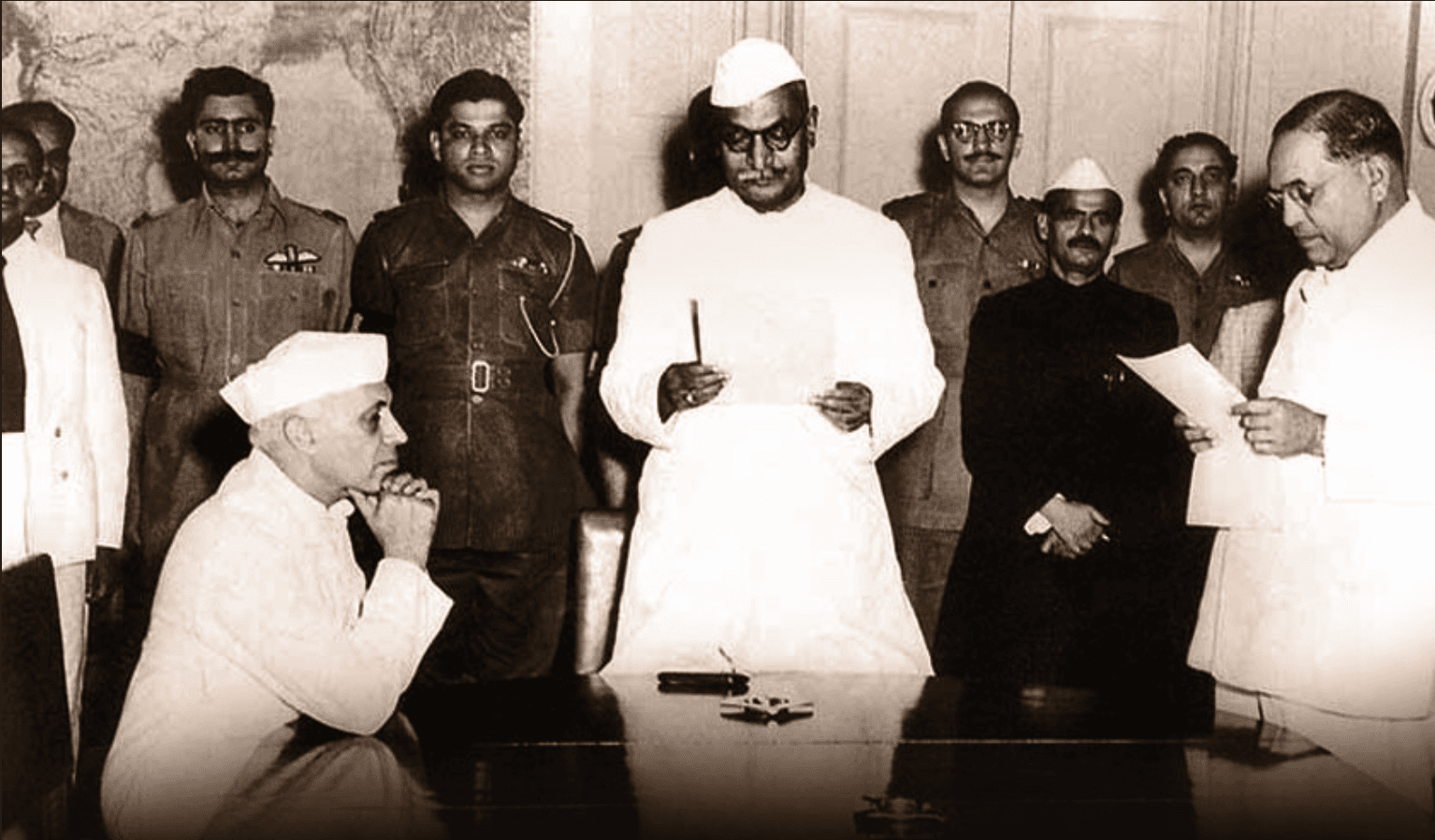
- Justice H.R. Khanna: Noted for his dissent during the Emergency period that highlighted the importance of life and personal liberty.
- Justice B.V. Nagarathna: Advocated for independent institutions and constitutional morality to sustain democracy against political expediency.
Concerns Raised:
- Increasing criminalization of peaceful dissent, with reports of extended detention without trial and stringent bail conditions intended to suppress speech.
- Recent examples include the arrest of individuals for activities deemed unlawful without any legal basis—highlighting a potential misuse of criminal law.
Recent Developments:
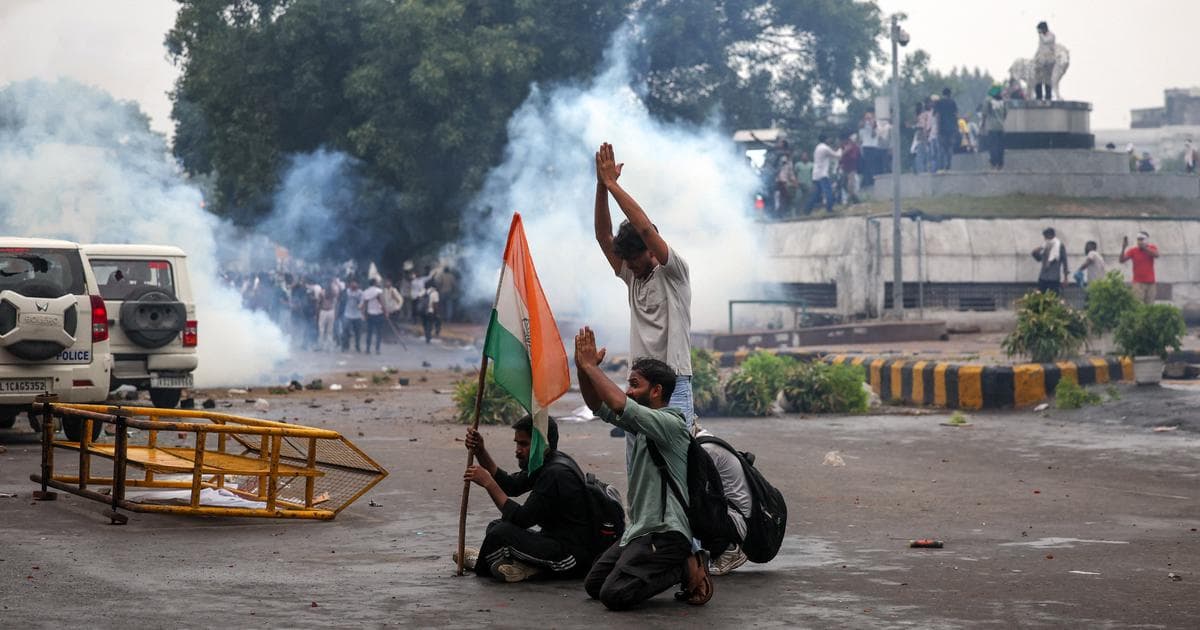
- Peaceful protests in Delhi's Jantar Mantar by students demanding accountability for examination irregularities were met with allegations of police excesses, such as baton charges and mass detentions.
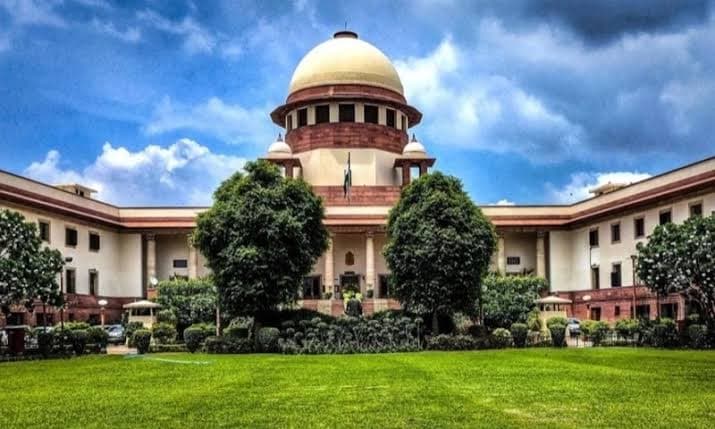
- The Supreme Court intervened by ordering the release of detained minors and stopping coercive actions against protestors.
Judicial Recognition of Rights:
- The judiciary has emphasized that criminal law should target genuine criminal conduct and should not suppress lawful assembly and expression of dissent.
- The principle established is that protecting dissent is crucial for the health of democracy; restrictions must be exceptional and legally justified.
Civic Participation and Government Accountability:
- Citizens must be able to challenge government actions and policies openly, reinforcing the democratic fabric of the nation.
- Peaceful dissent is framed not as disloyalty but as faith in constitutional rights; any suppression of this fundamental freedom undermines democracy itself.
Conclusion: The remarks made by Justices amidst recent events underscore the continuous need for vigilance regarding constitutional rights. The protection of dissent contributes significantly to the stability and legitimacy of democracy, wherein the right to question authority is foundational. Governments are urged to facilitate rather than inhibit peaceful expression and to engage in sincere dialogue with all citizens.
Key Terms & Concepts
| Article 19(1)(a) | Guarantees freedom of speech |
| Article 19(1)(b) | Guarantees right to peaceful assembly |
| Justice Ujjal Bhuyan | Critiques criminalization of dissent |
| Delhi’s Jantar Mantar | Site of recent protests |
| Supreme Court | Directed no coercive action |
| Justice D.Y. Chandrachud | Advocate for dissent as safety valve |
| Justice B.V. Nagarathna | Emphasizes constitutional democracy |
| Justice H.R. Khanna | Defended personal liberty during Emergency |
| Pro-Palestine demonstration in Mumbai | Criticized for curtailing assembly rights |
| Criminal law | Must address genuine crimes |
| Bail conditions | Restrictions on free speech |
| Examination irregularities protests | Demand for accountability |