iAspirants
Conservation Efforts for Pygmy Hog
Published on:
Share this post
Article Summary
Summary of Pygmy Hog Conservation and Ecosystem Health
Species and Habitat
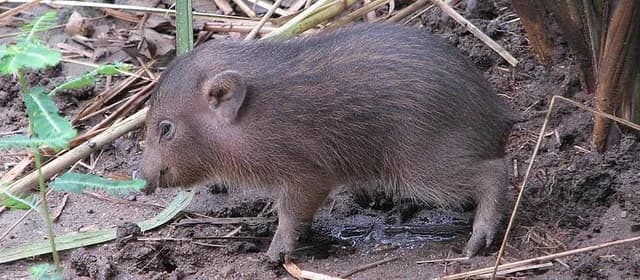
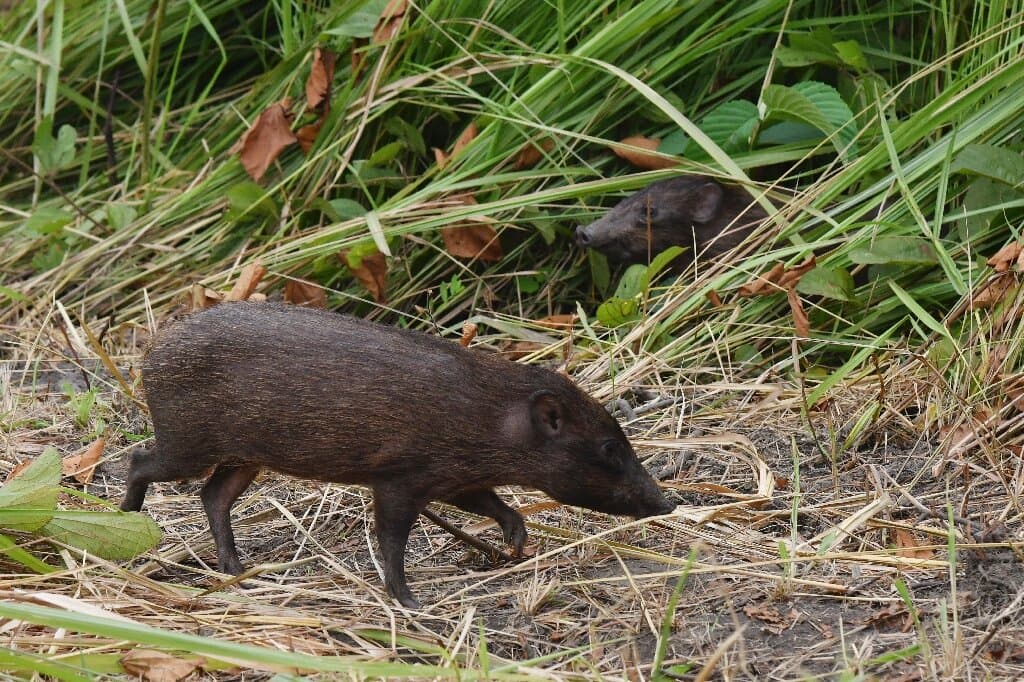
- Pygmy Hog: The sole surviving species of the genus Porcula, recognized as the world's smallest wild suid.
- Dependency: Relies on dense grasslands for feeding, concealment, and reproduction. Its decline indicates the degradation of alluvial floodplains in India.
- Related Species: Its conservation positively impacts other threatened species like the Bengal florican, hispid hare, hog deer, and greater one-horned rhinoceros.
Conservation Efforts
- Assam Government Initiatives: Lauded for a captive breeding program that increased the pygmy hog population in Assam from 8 to approximately 250 individuals over 30 years (1995-2025).
- Breeding Challenges: Involves maintaining genetic diversity, avoiding diseases, and following biosafety protocols.
- Pygmy Hog Conservation Programme: Established in 1995, focusing on breeding and habitat restoration.
Population Statistics
- Current Estimates: Approximately 250 individuals in early 2025, with the last natural population in the Panbari grasslands of Manas National Park.
- Conservation Goals: Aim to increase the wild population to 300 by 2040.
Ecosystem Threats
- Habitat Degradation: Conversion of floodplains for agriculture, tea plantations, and infrastructure has led to significant habitat loss.
- Invasive Species: Alteration of flood cycles and unscientific burning of grasslands further fragment habitats.
- Ecological Balance: Efforts to protect ecosystems can inadvertently harm them (e.g., dry-season fires destroying grassland cover).
Restoration Needs
- Fragmentation Issues: Urgent need to restore fragmented protected grasslands, particularly in Rupahi and Kanchanbari.
- Buffer Zones: Restoration of buffer zones around Manas and Orang National Parks and Sonai Rupai Wildlife Sanctuary is critical for long-term conservation.
Genetic Considerations
- Long-Term Viability: Concerns about low genetic diversity and the accumulation of harmful gene variants in captive populations.
- Natural Habitat Restoration: Key to ensuring the pygmy hog's survival and evolutionary fitness in the wild.
Conclusion
The conservation of the pygmy hog is intrinsically linked to the health of alluvial floodplain ecosystems in Assam. Comprehensive restoration efforts and habitat management are essential for the species' survival and the broader environmental health of the region.
Key Terms & Concepts
| Pygmy Hog | Endangered species in India |
| Assam government | Implemented conservation programs |
| Pygmy Hog Conservation Programme | Established in 1995 for protection |
| 250 individuals | Estimated wild population count |
| Durrell Wildlife Conservation Trust | Provided population estimates |
| Manas National Park | Natural habitat for pygmy hog |
| 300 by 2040 | Target wild population goal |
| Floodplains | Critical ecosystem for species |
| Invasive species | Threat to pygmy hog habitat |
| Genetic diversity | Concern for population health |