iAspirants
Current AffairsPrelims PYQsUPSC CSE SyllabusUPSC CSE StrategyBlogsPricing
Login
iAspirants

Your AI-powered companion for UPSC preparation.

Quick Links

  • Home
  • About Us
  • Current Affairs
  • Prelims PYQs
  • UPSC CSE Syllabus
  • UPSC CSE Strategy
  • Blogs

Company

  • Pricing
  • FAQs
  • Contact Us
  • Login

Legal

  • Privacy Policy
  • Terms & Conditions
  • Return Policy

© 2025 iAspirants, Inc. All rights reserved.

  1. Blogs
  2. Environment and Ecology

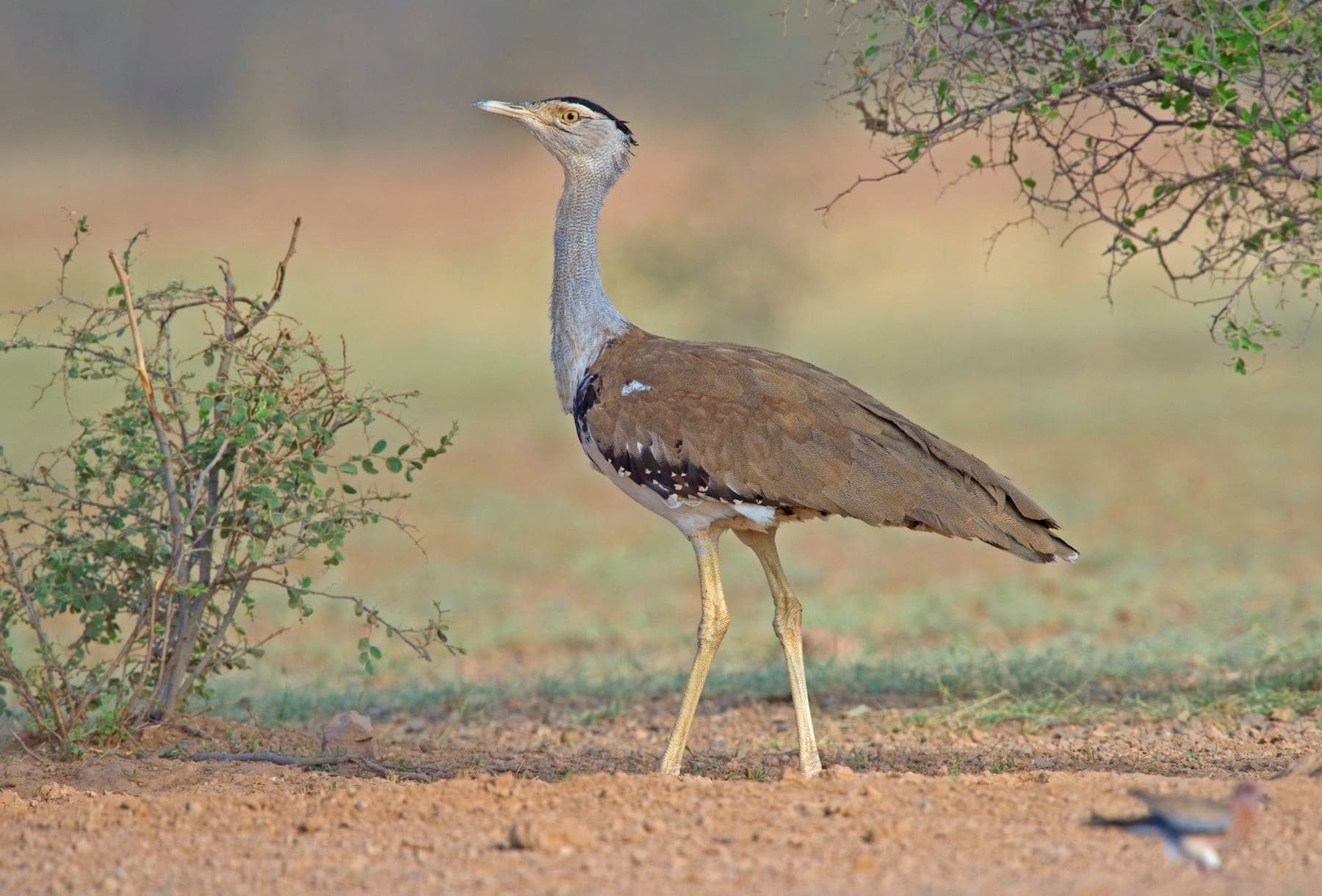
Conservation Efforts for Great Indian Bustard

Published on: 14-Sep-2026

Share this post

Conservation Efforts for Great Indian Bustard

Article Summary

Summary of Key Facts and Initiatives

1. Great Indian Bustard Conservation

  • Ministerial Visit: Union Environment Minister Bhupender Yadav visited the Great Indian Bustard habitat in Naliya, Kutch, Gujarat.
  • Soft Release Centre: Inaugurated a Soft Release Centre specifically for the endangered Great Indian Bustard (GIB), which is critical for monitoring and adapting GIBs to their natural environment.
  • Conservation Efforts:
    • Focus on comprehensive habitat management and protection measures.
    • Restoration of approximately 11 square kilometers of grassland affected by Prosopis juliflora (an invasive species).
    • Construction of anti-predator fencing over a 30-kilometer stretch to protect GIBs.
    • Innovative breeding program replacing infertile eggs with viable ones, successfully resulting in chicks surviving beyond three months in the wild.

2. Government Schemes and Initiatives

  • Van Kavach: A model for dense, biodiversity-rich forest development using the Miyawaki method, covering 9.46 square kilometers.
    • Over 10,000 native plant species planted, aimed at improving local climate, groundwater recharge, and providing habitats for wildlife.
  • MISHTI Program: Mangrove Initiative for Shoreline Habitats & Tangible Incomes, aimed at large-scale mangrove restoration.
    • Target of 29,250 hectares from 2023-24 to 2026-27; 27,652 hectares already completed, including 12,450 hectares in Kori Creek.
    • Establishment of 3.49 lakh mangrove seedlings at Jakhau Mangrove Nursery.

3. Community Engagement

  • Minister interacted with local communities, emphasizing the importance of community-led stewardship in conservation efforts.
  • Engaged with beneficiaries of environmental initiatives, promoting local participation in GIB conservation.

4. Environmental Impact

  • The Van Kavach initiative is expected to reduce local temperatures by 1.5 to 2 degrees Celsius, prevent soil erosion, and enhance biodiversity.
  • Mangrove restoration efforts contribute to coastal protection, livelihood improvement, and biodiversity conservation.

5. Economic and Ecological Significance

  • GIB serves as a cultural symbol and plays a crucial role in maintaining the ecosystem of arid regions in India.
  • The initiatives are expected to foster environmental tourism and education, contributing to local economies.

6. Judicial and Policy Framework

  • The conservation efforts align with India’s commitment to biodiversity preservation and sustainable environmental practices, as reflected in various national policies and international environmental agreements.

This summary encapsulates the ongoing efforts and initiatives in Gujarat aimed at conserving the Great Indian Bustard and enhancing local biodiversity through community engagement and governmental support.

Key Terms & Concepts

Great Indian BustardEndangered bird species conservation
Soft Release CentreFacility for bird rehabilitation
MISHTIMangrove restoration initiative
KutchRegion for conservation efforts
11 square kilometersArea for grassland restoration
30 kilometersLength of anti-poaching fence
29,250 hectaresMangrove plantation target
27,652 hectaresCompleted mangrove plantation area
3.49 lakhMangrove seedlings raised
10,000 plantsNumber of native species planted

Mind Map for UPSC Civil Services Revision

Turn UPSC Civil Services Current Affairs Into Exam-Ready Notes

Reading Environment and Ecology current affairs is half the work. Revise them with ready-made notes and test what actually stuck.

  • Daily UPSC Civil Services current affairs analysis
  • Revision notes, mind maps & MCQs
  • Prelims mock tests with instant results

Related UPSC Civil Services Current Affairs Articles

Impact of Bamboo Mass Flowering
Environment and Ecology15-Sep-2026

Impact of Bamboo Mass Flowering

Key Points from the Study on Bamboo Mass Flowering

  1. Ecological Impact:

    • Synchronous mass flowering of bamboo can lead to multiple ecological issues, including:
      • Invasive weed outbreaks
      • Increased wildfires
      • Rodent population surges
  • Heightened human-elephant conflicts
  • Bamboo's Role:

    • Bamboo regulates tropical forest microclimates and carbon cycles.
    • Monocarpic life cycle: Bamboo flowers every 40-120 years, leading to mass die-offs that expose large areas of the forest floor.
  • Consequences of Bamboo Die-off:

    • Forest Canopy Collapse:
      • Dramatic loss of canopy creates light gaps, raising temperature and moisture loss.
    • Invasive species takeover:
      • Invasive plants like Senna spectabilis, Mikania micrantha, and Lantana camara can dominate, preventing native species' regeneration.
      • Senna spectabilis releases toxic chemicals that hinder native plant growth.
  • Impact on Wildlife:

    • Significant food shortages for Asian elephants (Elephas maximus) due to loss of bamboo, leading to increased human-elephant conflicts.
    • Elephants may move into agricultural areas, causing crop damage and threats to human safety.
  • Rodent Population Explosion:

    • Mass flowering provides abundant food, resulting in increased rodent populations, which can move to agricultural lands post-event.
    • Risks of zoonotic infections rise, similar to historical Mautam famines in Northeast India.
  • Fire Hazards:

    • Accumulation of dead bamboo increases wildfire risks, damaging the forest ecosystem and hindering recovery processes.
  • Management Recommendations:

    • Transition from reactive to anticipatory landscape-level planning to mitigate the impacts of mass flowering.
    • Maintain diverse bamboo cohorts to avoid simultaneous flowering and die-off.
    • Implement pre-emptive measures like clearing dead bamboo to reduce fire risks.
    • Develop compensatory foraging corridors for elephants to navigate human-dominated areas safely.
  • Constitutional and Legislative Context:

    • Need for wildlife authorities to integrate ecological management practices aligned with environmental protection regulations and biodiversity conservation principles.
  • Study Publication:

    • Conducted by Dr. T.V. Sajeev of the Kerala Forest Research Institute, published in Frontiers in Ecology and Evolution.
  • Conclusion

    The study emphasizes the need for proactive measures to counter the ecological chain reactions that occur due to bamboo mass flowering. It highlights the interplay between ecological health and human-elephant interactions, urging for integrated planning and management strategies in forest ecosystems, particularly in regions like India where biodiversity and agriculture are closely linked.

    Underwater Survey for Shipwreck Assessment
    Environment and Ecology15-Sep-2026

    Underwater Survey for Shipwreck Assessment

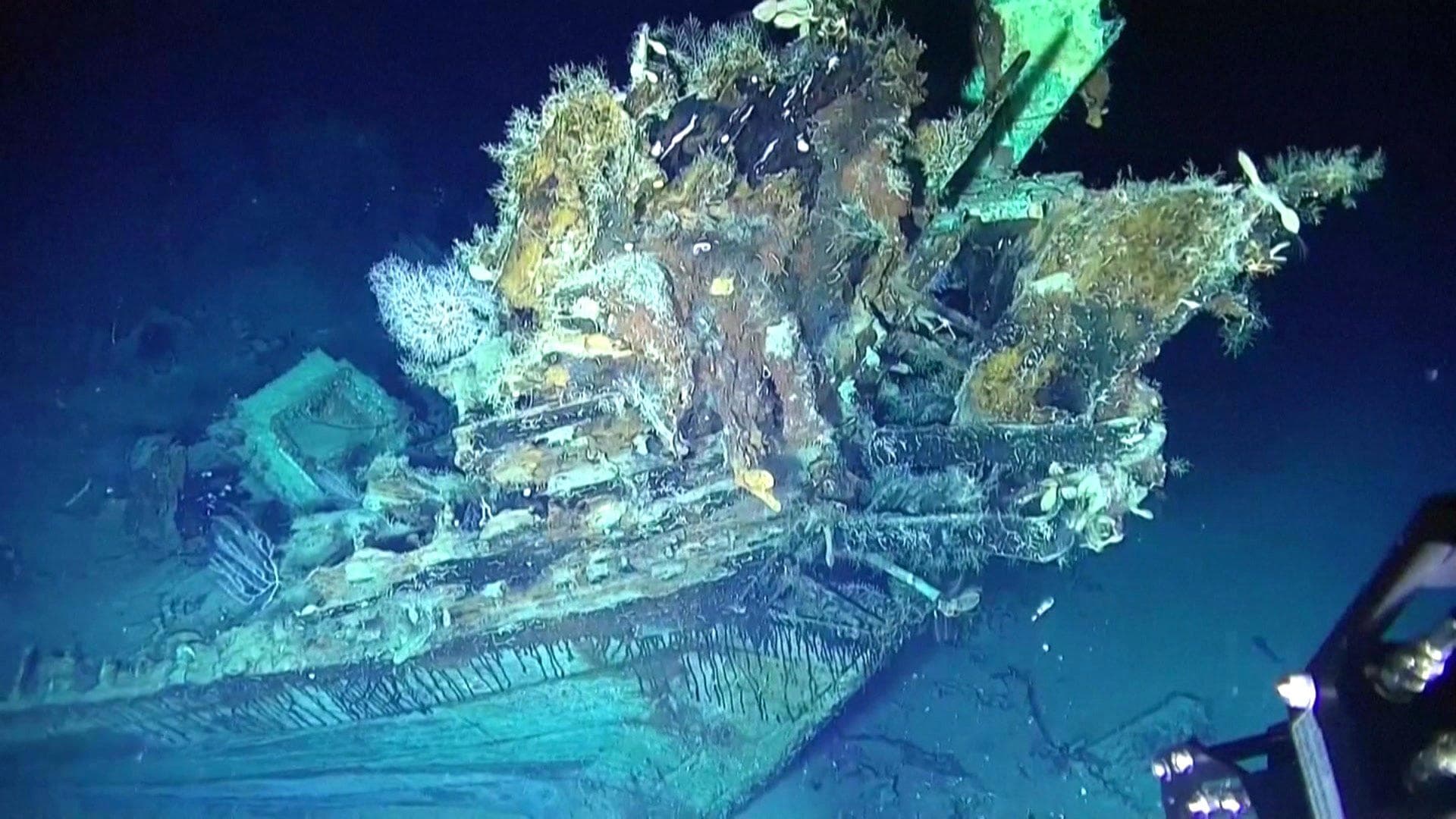
    • Incident Overview: The MSC Elsa 3, a Liberian-flagged ship owned by Mediterranean Shipping Company, sank off the coast of Alappuzha in May 2025, causing significant coastal and marine damage to Kerala and Tamil Nadu.

    • Legal Proceedings: The Kerala High Court is deliberating on public interest litigations (PILs) that demand the removal of the hazardous wreck and compensation for affected fishermen.

    • Government Actions:

      • The Central government, represented by the Additional Solicitor General, has committed to carrying out a multi-beam underwater survey to assess environmental impacts and marine ecological concerns related to the shipwreck.
      • Two agencies have been designated for conducting the underwater survey, with a commitment to implementing measures promptly.
    • Environmental Concerns: The survey aims to evaluate:

      • Long-term environmental implications of the wreck.
      • Current condition of the submerged wreck.
      • Potential future risks posed by the wreck to marine life and coastal communities.
    • Judicial Reference: The Division Bench of Justices V. Raja Vijayaraghavan and K.V. Jayakumar is overseeing the case concerning environmental protection and fishermen's rights, which may reference constitutional provisions related to the right to life and environment (Article 21).

    • Government Schemes and Policies: Although not explicitly stated, the incident may invoke existing policies related to disaster management, maritime safety, and marine ecology under various ministries, emphasizing the need for environmental protection measures.

    • Compensation and Rehabilitation: The ongoing legal proceedings may lead to decisions concerning compensation frameworks for individuals and communities impacted by maritime disasters, which could reference applicable laws for environmental remediation and rehabilitation.

    This incident underscores the intersection between environmental law, maritime safety, and the protection of livelihoods, aligning with constitutional guarantees for environmental justice and sustainable development under the Directive Principles of State Policy (DPSP).

    Chennai's Innovative Elevated Bridge Project
    National and International Importance14-Sep-2026

    Chennai's Innovative Elevated Bridge Project

    Key Highlights on Pallavaram-Thoraipakkam Radial Road Project

    Project Overview

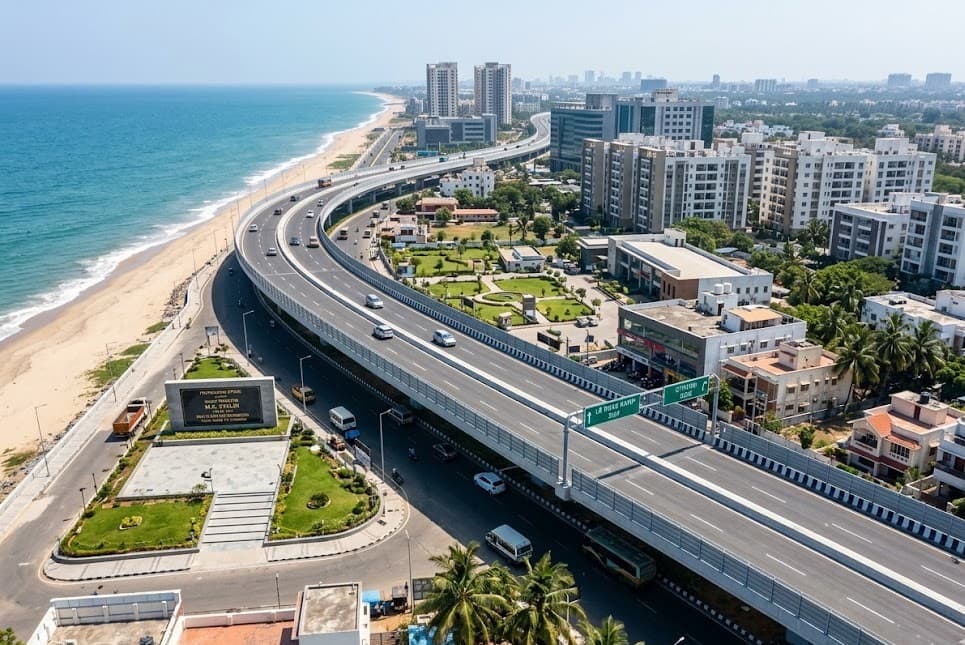
    • Construction of Elevated Bridge: A 2-km elevated bridge is to be constructed on the Pallavaram-Thoraipakkam Radial Road, replacing the existing road, facilitating flood water flow towards Pallikaranai marshland.
    • Specifications:
      • Type: Six-lane elevated structure.
      • Span: 200 meters long spans to minimize the number of supporting piers.
      • Pier Dimensions: Each pier will have a diameter of 2.5 meters.
      • Cost Estimate: Civil construction cost estimated at ₹450 crore.
      • Construction Duration: Expected to take two years with no land acquisition required.

    Environmental Impacts

    • Flood Mitigation: The removal of the existing road aims to enhance floodwater management. Currently, the road allows only 90 meters of culverts for floodwater, inadequate for necessary drainage (15,000 cusecs of water must flow to Okkiyam Maduvu).
    • Community Benefit: The project is expected to provide relief from annual flooding for residents in Ram Nagar, Velachery, and Madipakkam.

    Transport Data

    • Current Traffic Load: Approximately 1.25 lakh vehicles traverse this road daily, connecting significant local areas (Rajiv Gandhi Salai, Velachery, etc.).

    Historical Context

    • Road Planning: The original road network was planned by the Madras Area Traffic Study Unit under the Chennai Metropolitan Development Authority (CMDA), with 15 roads identified for development during the late 1990s.

    Judicial and Policy Considerations

    • Environmental and Urban Planning: The removal of the road to facilitate environmental restoration marks a progressive shift in urban planning, reflecting a growing recognition of environmental conservation as a priority over infrastructural expansion.

    Future Implications

    • Flood Management Strategy: This initiative is significant as it prioritizes flood management and environmental sustainability in urban infrastructure, potentially serving as a model for other urban centers facing similar challenges.

    This summary encapsulates the structural and environmental aspects of the Pallavaram-Thoraipakkam Radial Road project, underscoring its relevance in urban planning and flood management in Chennai.

    Delhi Flooding and Urban Governance Issues
    Environment and Ecology14-Sep-2026

    Delhi Flooding and Urban Governance Issues

    Summary of Key Points: Flooding and Building Safety in Delhi

    1. Incident Overview:

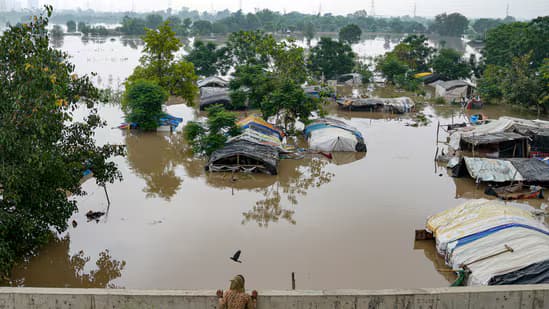
      • Following monsoon flooding in Delhi, 7 students died in an unauthorized building collapse in Satya Niketan.
      • Highlighting vulnerabilities due to poor building conditions, safety regulations, and urban planning.
    2. Urban Governance Issues:

      • Approximately 60% of Delhi’s population lives in unauthorized structures; primarily in slums and high-density buildings.
      • Need for effective urban governance to manage infrastructure, focusing potentially on consolidating authority under a single entity, e.g., the mayor.
    3. Building Regulations and Safety:

      • The lifespan of modern buildings is estimated at 30-40 years; many structures in poor condition, particularly in unauthorized colonies.
      • Failure to comply with safety codes leads to life-threatening conditions, exacerbated during extreme weather events linked to climate change.
    Indo-German Forum on Climate Resilience
    National and International Importance14-Sep-2026

    Indo-German Forum on Climate Resilience

    Indo-German Environment Forum Highlights

    Background

    • Event: Fourth Indo-German Environment Forum
    • Date: September 1
    • Focus: Climate change and biodiversity conservation

    Key Issues

    • Global environmental crises have escalated since the first forum in 2008.
    • Deteriorating political climate due to wars, tariffs, and market protectionism affecting multilateralism.
    • India faces challenges of energy poverty and aims to decarbonize its economy.
    • Recent extreme weather events: Hottest summer recorded in Western Europe, heatwaves across India, water shortages, and severe flooding in Assam and Nepal.

    International Agreements

    • Adoption of the Paris Agreement for climate goals.
    • Implementation of the Kunming-Montreal Global Biodiversity Framework.
    • The BBNJ Agreement for the protection of high seas.
    Construction of Madayipara Boundary Wall
    Environment and Ecology13-Sep-2026

    Construction of Madayipara Boundary Wall

    Summary of Environmental Protection Initiatives at Madayipara

    1. Constructive Measures:

    • Boundary Wall Construction: The Madayi Thiruvarkattukavu Devaswom has initiated the construction of a stone boundary wall along the road from Eripuram to the Naval Academy aimed at preventing vehicular entry into the ecologically sensitive area of Madayipara.
    • Materials Used: The wall is being built using laterite stones to restrict access primarily to address the environmental damage caused by vehicles and unregulated tourism.

    2. Environmental Context:

    • Biodiversity: Madayipara is a 3.65 square-kilometre plateau recognized for its unique biodiversity, hosting:
      • 670 species of flowering plants.
      • 14 IUCN-listed threatened species.
      • 258 bird species, including 10 globally threatened species.
      • Supports various wildlife: 24 mammal, 32 reptiles, 20 amphibians, and multiple insect species.
    • Impact of Tourists: Increased vehicular movement is damaging rare plants and the fragile ecosystem, with environmentalists raising concerns over waste and behaviors of visitors affecting local biodiversity.

    3. Government Actions & Policy:

    • Kerala High Court Directive: There was a previous directive to restrict access to vulnerable landscapes by regional police to safeguard biodiversity, which has reportedly not been enforced effectively in recent years, leading to increased human interference.
    • Stop Memo Issued: The local panchayat issued a stop memo to an amusement-cum-eco park operating without required permissions, reflecting regulatory oversight concerning environmental protection.

    4. Future Plans and Challenges:

    • Enhanced Measurement: The Devaswom authorities are contemplating further protective measures against unauthorized access, such as clear warning boards and monitoring trespassers, along with natural vegetation fencing.
    • Monitoring Requirement: Maintaining any natural barriers will need continuous oversight due to prior ineffective temporary measures.
    • Community Disapproval: Plans to restrict access routes have led to dissatisfaction among local residents, highlighting the conflict between conservation and traditional public access.

    5. Stakeholder Involvement:

    • Environmental Groups: Organizations such as the Madayipara Samrakshana Samithi are voicing concerns regarding tourism's ecological footprint, calling for stricter regulations on tourism activities to avoid further deterioration of the area's ecological integrity.

    6. Conclusion:

    • The developments at Madayipara illustrate ongoing struggles between maintaining ecological integrity in tourism-heavy areas and ensuring public access rights. Continuous efforts from local government, enforcement of judicial directives, and community engagement will be crucial for effective conservation strategies.

    Key References:

    • Schedule I of the Wildlife (Protection) Act: Protects certain endangered species.
    • International Union for Conservation of Nature (IUCN): Provides classifications for threatened species.
    • Kerala High Court Directive: Historical context for the legal framework protecting ecologically significant landscapes.
  • Physical Mapping and Structural Assessments:

    • Urgent requirement for physical mapping of Lal Dora areas (unauthorized colonies) with detailed documentation of each structure’s condition.
    • Utilize advanced imaging technology for accurate assessment of structural integrity and necessary safety checks.
  • Regulatory Measures:

    • Recommendations for stringent occupancy permits based on building use and minimum space allocation to prevent overcrowding.
    • Advocating for regular inspections and enforcement of structural safety codes to mitigate risks.
  • Public Safety and Construction Oversight:

    • Historical precedence of unauthorized construction leading to disasters, including a prior incident in Bengaluru that resulted in 12 fatalities due to illegal additions compromising structural integrity.
    • Emphasizes the need for monitoring of construction activities and accountability for builders.
  • Future Implications:

    • Forecasted population growth in Delhi to nearly 40 million by 2030, prompting potential future crises in urban living conditions.
    • Calls for innovative urban planning solutions to handle increased population density and service demands effectively.
  • Systemic Challenges:

    • Questions raised about the efficacy of existing bye-laws and inspector accountability, highlighting a potential culture of bribery undermining building safety regulations.
  • Recommendations:

    • Call for a comprehensive reassessment of building codes, urban policies, and implementation of scientific methods for urban governance and disaster preparedness.
  • This summary encapsulates vital information regarding urban safety, governance, and the pressing need for reform in building policies and urban planning as it pertains to the challenges faced by cities like Delhi.

    India-Germany Relations

    • Strategic partnership celebrated 75 years; diplomatic relations established in March.
    • 2022: Launch of the Partnership for Sustainable Green Development.
    • Commitment reaffirmed by Prime Minister Modi and Chancellor Merz during a meeting in January 2023.

    Future Initiatives

    • Cabinet minister-level consultations are planned for 2027 in Berlin.
    • Declaration of Intent signed to enhance cooperation on wetland protection.

    Private Sector Involvement

    • Over 2,000 German companies operate in India, with nearly 75% expecting rising sales this year.
    • Importantly, more than 60% are focused on manufacturing for local demand.
    • Partnership example: BHEL and Thyssenkrupp Nucera.

    Economic Implications

    • Environmental technology development and circular economy encouraged by the Free Trade Agreement (FTA).
    • Focus on decarbonization of industries: green steel and low-carbon cement.
    • Municipalities in both countries collaborating on waste management and recycling innovations.

    Renewable Energy Targets

    • India sets ambitious targets for:
      • Solar energy expansion
      • Green hydrogen production
      • Growth in domestic manufacturing of green technologies.

    Technical Cooperation

    • Development of standardised recycling systems and financing solutions involving digital traceability chains.
    • Joint initiatives for integrating renewable energy and forming green industrial clusters aim to reduce emissions.

    Conclusion

    • The Indo-German collaboration at the fourth Environment Forum underscores a mutual commitment to address climate challenges while fostering sustainable economic growth, emphasizing multilateralism, and promoting environmental technologies.