iAspirants
Current AffairsPrelims PYQsUPSC CSE SyllabusUPSC CSE StrategyBlogsPricing
Login
iAspirants

Your AI-powered companion for UPSC preparation.

Quick Links

  • Home
  • About Us
  • Current Affairs
  • Prelims PYQs
  • UPSC CSE Syllabus
  • UPSC CSE Strategy
  • Blogs

Company

  • Pricing
  • FAQs
  • Contact Us
  • Login

Legal

  • Privacy Policy
  • Terms & Conditions
  • Return Policy

© 2025 iAspirants, Inc. All rights reserved.

  1. Blogs
  2. International Relations

Concerns Over Maritime Safety and Security

Published on: 27-Sep-2026

Source: Indian Express

Share this post
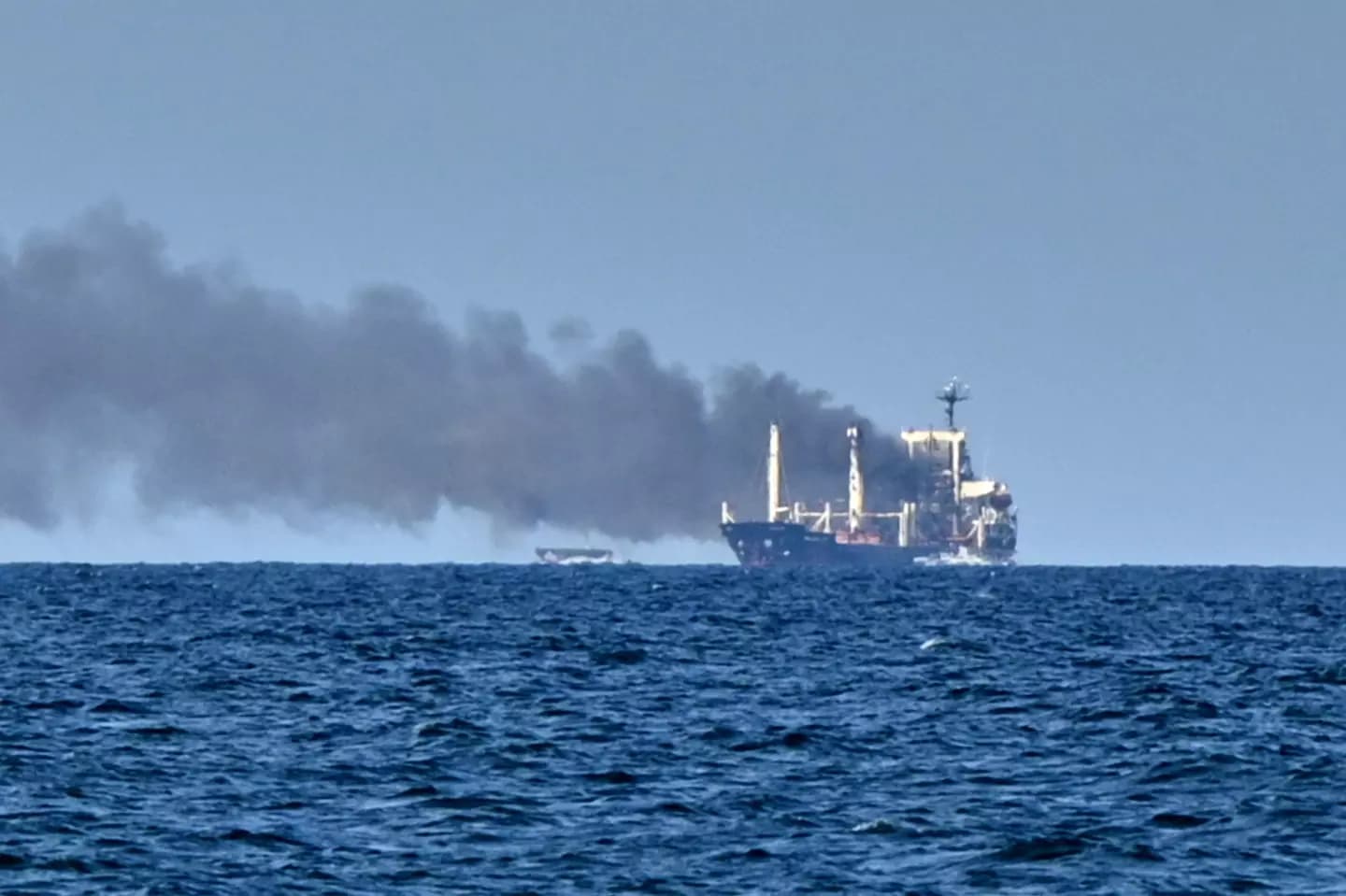
Concerns Over Maritime Safety and Security

Article Summary

Key Highlights on Maritime Safety and International Relations

  1. International Maritime Concerns:

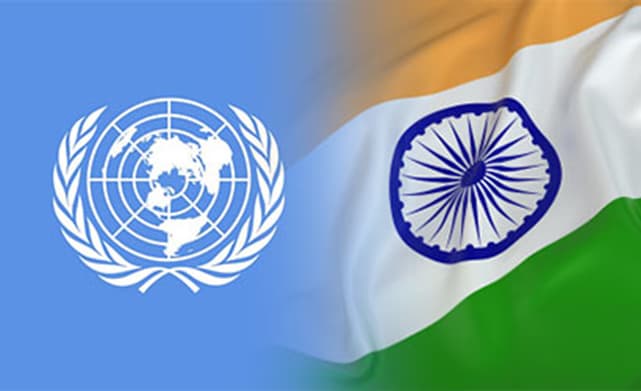
    • India's External Affairs Minister (EAM) S. Jaishankar addressed the 81st United Nations General Assembly, emphasizing the impact of conflicts on nations uninvolved in them.
    • Jaishankar noted that innocent nations are often the most affected, despite having little influence on conflict resolutions.
  2. Gulf Conflict:

    • The current conflicts in the Gulf, particularly highlighted by Jaishankar, pose significant risks to maritime trade and safety.
    • Two specific incidents involving Indian sailors:
      • MV Cape Dao Incident: Indian sailor killed aboard an Antigua and Barbuda-flagged bulk carrier in the Gulf of Oman.
      • El Gaia Incident: A Panama-flagged oil tanker attack left an Indian crew member missing while passing through the Strait of Hormuz.
  3. Safety of Shipping and Seafarers:

    • The targeting of commercial shipping and seafarers is denounced as "simply unacceptable" by the Indian government.
    • Key high-risk maritime areas identified include:
      • Strait of Hormuz
      • Gulf of Oman
      • Red Sea
      • Gulf of Aden
      • Bab-el-Mandeb
      • Black Sea
      • Somali waters
  4. International Collaboration:

    • India partnered with Liberia and 23 other nations to establish the Group of Friends on Safety and Security of Shipping and Seafarers.
    • Objectives include building global support against maritime attacks and ensuring compliance with international maritime law.
  5. Call for Actions:

    • Jaishankar urged all countries involved in conflicts to exercise restraint, reduce tensions, and maintain uninterrupted energy and trade flows.
    • He stressed the need for strict adherence to international law as essential for maritime safety.
  6. Implications for Indian Seafarers:

    • A substantial number of Indian seafarers operate on both Indian-flagged and foreign-flagged vessels, exposing them to risks due to geopolitical tensions.
    • These developments highlight the need for enhanced safety mechanisms and international cooperation to safeguard maritime routes.

Overall, the statements made by Jaishankar reflect India's proactive approach toward safeguarding its maritime interests and advocating for international laws concerning safety at sea.

Key Terms & Concepts

Gulf of OmanLocation of recent attacks
Strait of HormuzHigh-risk maritime passage
MV Cape DaoVessel attacked, Indian sailor killed
El GaiaVessel attacked, Indian crew missing
Group of Friends on Safety and Security of Shipping and SeafarersInternational cooperative effort
International LawBasis for maritime security
India-Liberia partnershipCooperation on maritime security
23 other partnersParticipants in maritime security efforts

Mind Map for UPSC Civil Services Revision

Turn UPSC Civil Services Current Affairs Into Exam-Ready Notes

Reading International Relations current affairs is half the work. Revise them with ready-made notes and test what actually stuck.

  • Daily UPSC Civil Services current affairs analysis
  • Revision notes, mind maps & MCQs
  • Prelims mock tests with instant results

Related UPSC Civil Services Current Affairs Articles

India's Role in UN Diplomacy
International Relations27-Sep-2026

India's Role in UN Diplomacy

Summary of Key Points: India and the UN

  1. India's Position and Challenges at the UN

    • As a rising power, India seeks to increase its influence within the UN amidst declining authority and functioning of the organization.
    • The UN Security Council's effectiveness is questioned, particularly due to the use of veto powers by permanent members, limiting its ability to enforce international agreements and uphold the UN Charter.
  • International Relations and Sovereignty

    • India's diplomacy is characterized by a defense of sovereignty, often resisting intrusive international regulations.
    • The geopolitical landscape with the Ukraine conflict, Gaza issues, and the Iran-Gulf tensions highlights the inadequacy of the Security Council.
  • Economic and Security Vulnerabilities

    • India faces challenges regarding unilateral coercive measures from powerful countries affecting trade, as financial institutions may refuse transactions compliant with Indian laws due to external pressures.
  • UN's Role in Addressing Global Issues

    • Despite its limitations, the UN is a platform for smaller nations to assert their voices, especially concerning climate finance and sustainable development amidst widening global inequalities.
    • The UN’s operational challenges include procedural complexities and funding deficits that result in inefficient peacekeeping missions.
  • Artificial Intelligence Regulation

    • The UN has initiated discussions on AI risks with technology executives, acknowledging the need for safety standards and representation from developing nations where rules that could impact their futures are being drafted.
  • Formation of Partners for Multilateralism (P4M)

    • On September 21, India, along with several states and organizations, launched P4M to address issues like trade disruptions and economic coercion, seeking collaborative solutions on climate finance and sustainable development.
  • Security Council Reform and India's Bid for Membership

    • India advocates for reform in the UN Security Council, aiming for permanent membership based on its status as the world’s most populous democracy and major economy.
    • As part of its strategy, India is seeking support for an elected term for the Security Council for 2028-29 against Tajikistan, which has never served on the Council.
  • Past Contributions to UN Peacekeeping

    • India has contributed over 275,000 personnel to UN peacekeeping missions, bolstering its case for a larger role in the Council.
  • Future Global Consensus

    • India’s future effectiveness within the UN and international agreements may hinge on its ability to navigate relationships with both influential countries and smaller nations, particularly around contentious global issues.
  • Conclusion and Recommendations

    • India must continue to advocate for reforms that empower its voice and position in international negotiations, especially concerning economic dependencies and multinational agreements that typically favor powerful states.
  • This framework aids India's mission to make the UN relevant for diverse global challenges while positioning it advantageously in the international arena.

    India's Nuclear Doctrine and Security Challenges
    National and International Importance26-Sep-2026

    India's Nuclear Doctrine and Security Challenges

    India's Nuclear Doctrine & Strategic Environment

    1. Current Status of Nuclear Doctrine:

      • India’s nuclear doctrine has been stable since its operationalization in 2003, based on principles of credible minimum deterrence and a declared No First Use (NFU) posture.
      • It's stated that nuclear retaliation is an option following a major biological or chemical attack on India.
    2. Historical Context:

      • Emerged post-Pokhran-II tests (1998) establishing India as a nuclear state and Kargil conflict (1999) demonstrating that nuclear deterrence does not preclude conventional wars.
      • Key documents: 1999 Draft Nuclear Doctrine, Cabinet Committee on Security’s decision (January 4, 2003).
    3. Strategic Shifts:

      • China-Pakistan Alignment:
        • Increasing cooperation and interconnected threats from two nuclear-armed neighbors.
        • China has reportedly modernized its nuclear forces and military infrastructure, while Pakistan has diversified its nuclear capabilities, including tactical nuclear weapons.
      • Technological Advances:
        • Innovations in AI, cyber capabilities, space surveillance, and hypersonic weapons alter deterrence dynamics and introduce complexities in command and control networks.
      • Geopolitical Dynamics:
        • The Indo-Pacific region has emerged as a critical stage for great-power competition.
        • Evolving U.S.-China rivalry and enhanced China-Russia coordination present challenges to India's strategic calculus.
    4. Policy Implications:

      • A review of the nuclear doctrine is deemed necessary to assess relevance against current and anticipated threats without fundamentally altering its core principles.
      • Focus areas for review: survivability, command/resilience, second-strike capabilities, and evolving technologies.
    5. Concerns & Caution:

      • India's NFU stance has justified its image as a responsible nuclear power and any ambiguity could lead to adversaries recalibrating their strategies.
      • Strengthening operational capabilities, modernizing delivery systems, and improving command-control resilience should take precedence over changes in declaratory policies.
    6. Potential Review Outcomes:

      • A reassessment of NFU could reinforce its rationale and clarify scope while maintaining credible deterrence capabilities.
      • A comprehensive review ought to align India’s nuclear policy with its broader diplomatic strategies and assertion of strategic autonomy.
    7. Imperative for Strategic Coherence:

      • India's nuclear doctrine is a strategic tool, reflecting its ongoing commitment to restraint and responsible nuclear stewardship.
      • The interplay of doctrine, capability, and geopolitical events necessitates continuous evaluation to ensure effectiveness against a backdrop of shifting threats.

    This document suggests that India's nuclear stance should acknowledge the evolving strategic landscape while retaining its foundational principles for enduring deterrence and international standing.

    Indian Coast Guard's QUAD-at-Sea Mission
    International Relations26-Sep-2026

    Indian Coast Guard's QUAD-at-Sea Mission

    Summary of Key Points from the QUAD-at-Sea Ship Observer Mission

    1. Mission Overview:

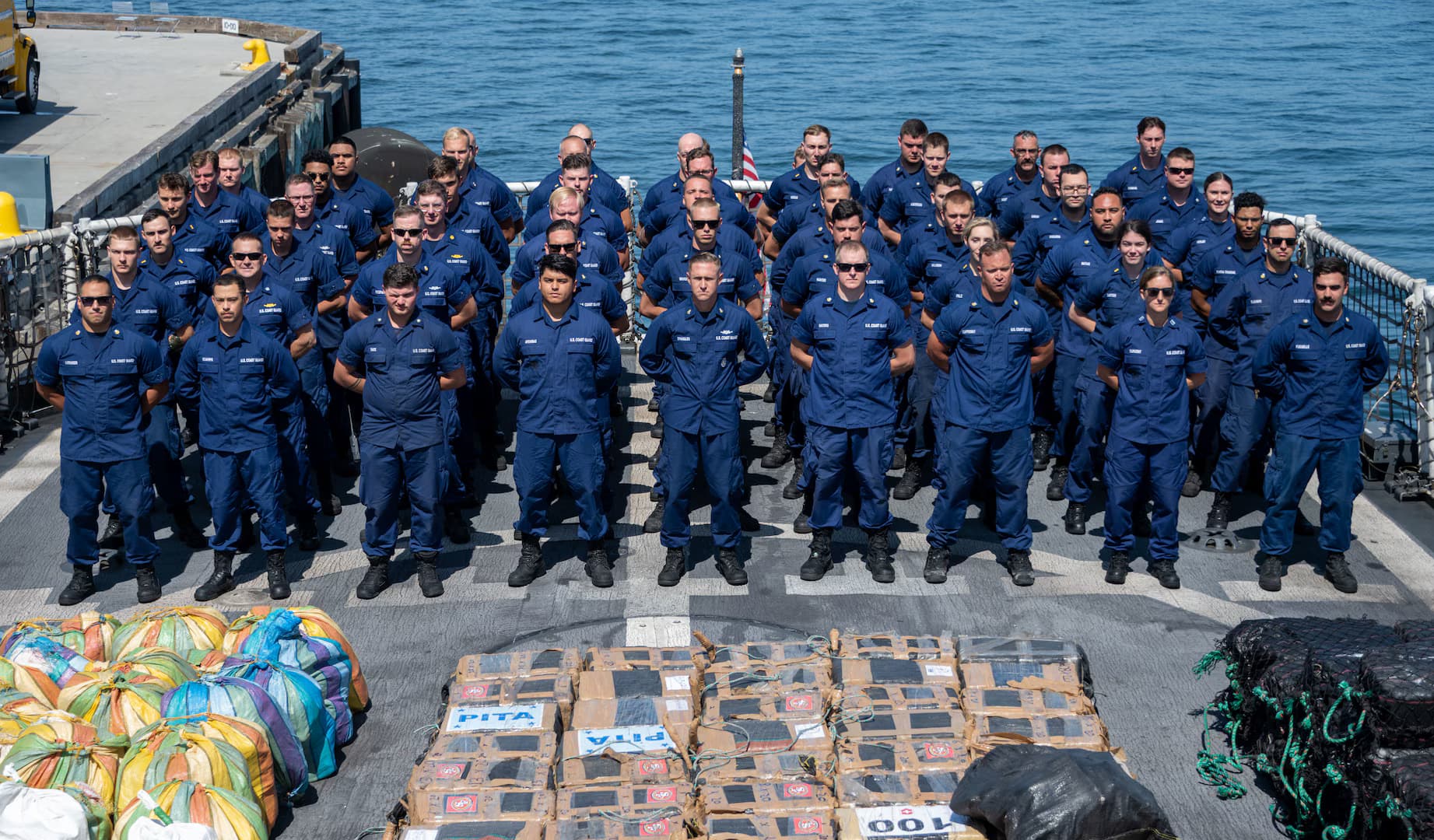
      • The Indian Coast Guard (ICG) ship Shaunak departed from Chennai for Perth, Australia as part of the QUAD-at-Sea Ship Observer Mission.
      • The mission includes professional exchanges and maritime interoperability among India, Australia, Japan, and the USA.
    2. Participants:

      • Six officers, designated as 'Sea Riders', are onboard the Shaunak, which includes:
        • Two officers from India
        • Two from Japan
        • One officer from Australia
        • One officer from the USA
    3. Objectives:

      • Strengthening coordination among QUAD nations.
      • Enhancing mutual understanding of maritime operations.
      • Building professional linkages to foster a secure maritime environment in the Indo-Pacific region.
    4. Alignment with International Statements:

    China-US Relations Discussed at White House
    International Relations25-Sep-2026

    China-US Relations Discussed at White House

    Key Highlights:

    International Relations

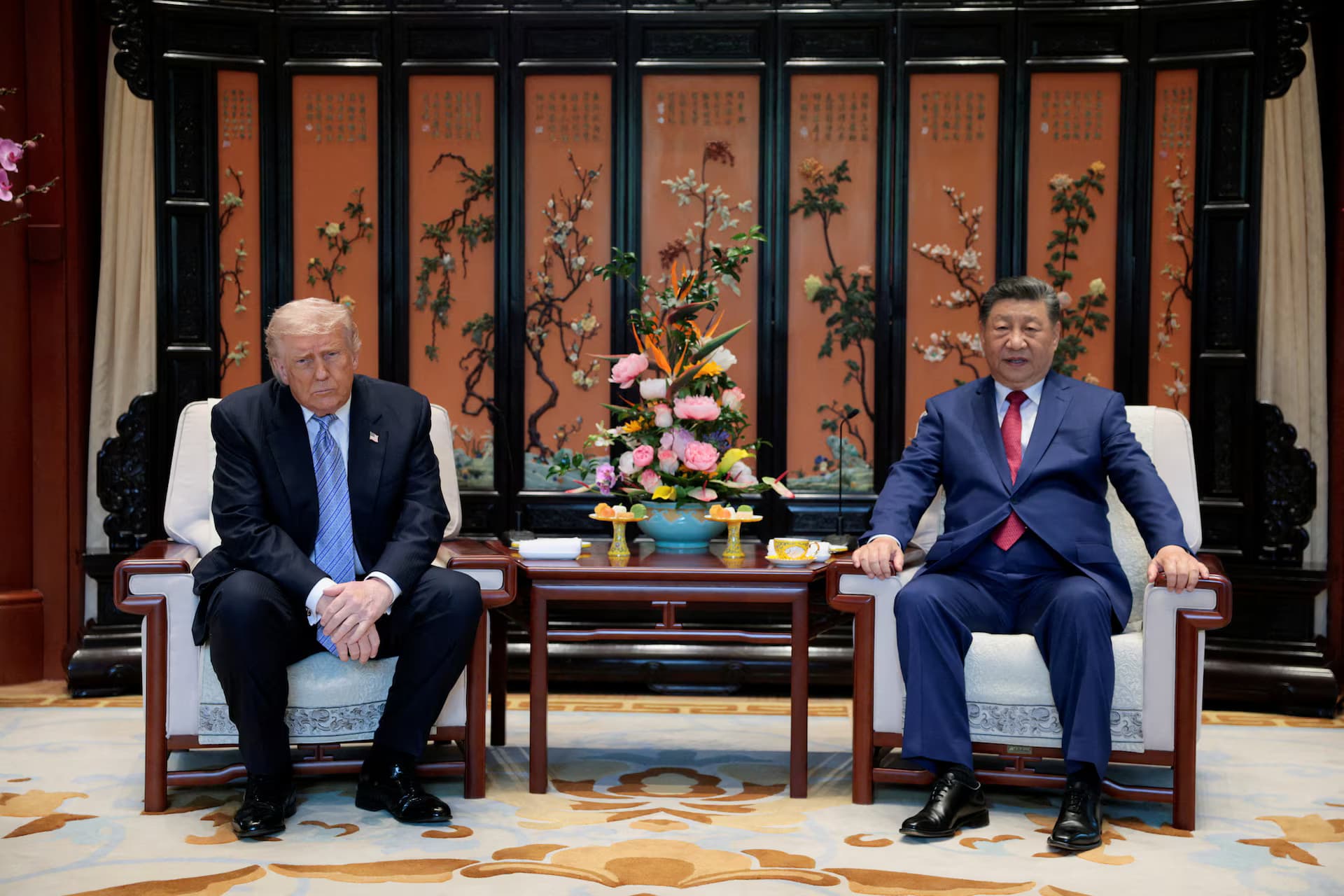
    • Bilateral Talks: Chinese President Xi Jinping arrived at the White House for discussions with US President Donald Trump. Xi emphasized the need for cooperation, promoting the notion that both nations should be partners rather than rivals.
    • Topics of Discussion: The talks encompassed trade relations, the situation in Iran and Taiwan, and advances in artificial intelligence (AI). Both countries have agreed to extend their trade truce by two months while significant disagreements remain regarding tariffs and technology exports.

    Economic Indicators

    • Oil Supply Dynamics: Despite disruptions in the Strait of Hormuz due to military actions, oil supplies remain stable at around $100 per barrel. Approximately 6-7 million barrels per day are still moving under US protection through alternative routes.
    • Global Oil Demand: Demand has decreased by an estimated 5 million barrels per day amid rising prices and slow economic growth, with US producers covering part of the supply deficit.

    Judicial Developments

    • Journalistic Access Restoration: A US federal judge ordered the Trump administration to restore access to the White House for CNN, MS NOW, and Politico, ruling that the prior ban was likely unconstitutional, thus reinforcing First Amendment rights.

    Military and Security Updates

    • US Navy Mental Health Issues: Eight sailors from the USS Abraham Lincoln reportedly attempted suicide during its deployment in the Middle East due to deteriorating mental health conditions, which has raised concerns among families. The Navy acknowledged issues related to living conditions but denied the existence of a broader mental health crisis.
    • Pakistan Airstrikes: Pakistan conducted airstrikes on ten sites in Afghanistan, claiming they were used for launching drone attacks against Pakistan. The operations were described as deliberate and proportional.

    Regional Conflicts

    • Iran-UAE Tensions: The UAE suspended flights from Iranian airlines in response to ongoing US sanctions against Iran, reflecting escalating tensions in the region.

    International Summits and Agreements

    • Russia-Ukraine Conflict: Ukrainian President Volodymyr Zelenskyy urged nations not to allow their citizens to be recruited into the Russian army, highlighting the involvement of personnel from 47 countries, including India.
    • Potential US-Russia Summit: The Kremlin indicated no decision had been made regarding a potential summit between Presidents Trump and Putin, following US invitations to the December G20 meeting.

    Environmental and Natural Events

    • Turkey Earthquake: A magnitude 5.5 earthquake occurred in eastern Turkey, although details regarding casualties or structural damages were not immediately available.

    Development in Military Infrastructure

    • US Defense Pact with Greenland: President Trump signed an agreement with Denmark and Greenland to enhance US military presence in Greenland and deepen its integration with NATO defense structures, despite prior criticisms of NATO.

    Government Schemes and Policies

    • Trade Discussions: The US aims to promote a balanced trading relationship with China, aiming for new market access for American farmers and ranchers as discussions progress.

    These notes encapsulate critical updates related to international relations, economic conditions, judicial rulings, regional security, and conflicting global situations, maintaining a clear and objective format suitable for examination purposes.

    India and France Collaborate on Energy
    International Relations25-Sep-2026

    India and France Collaborate on Energy

    Summary of India-France Cooperation in the Electrical Sector

    Key Facts and Discussions:

    1. Meeting Participants:

      • Indian side: Pankaj Agrawal (Secretary of Power), officials from the Ministry of Power, Ministry of External Affairs, Central Electricity Authority (CEA), NTPC Limited, and NPCIL.
      • French side: Bernard Fontana (Chairman and CEO of EDF) and officials from the French Embassy in India.
    2. Main Topics of Discussion:

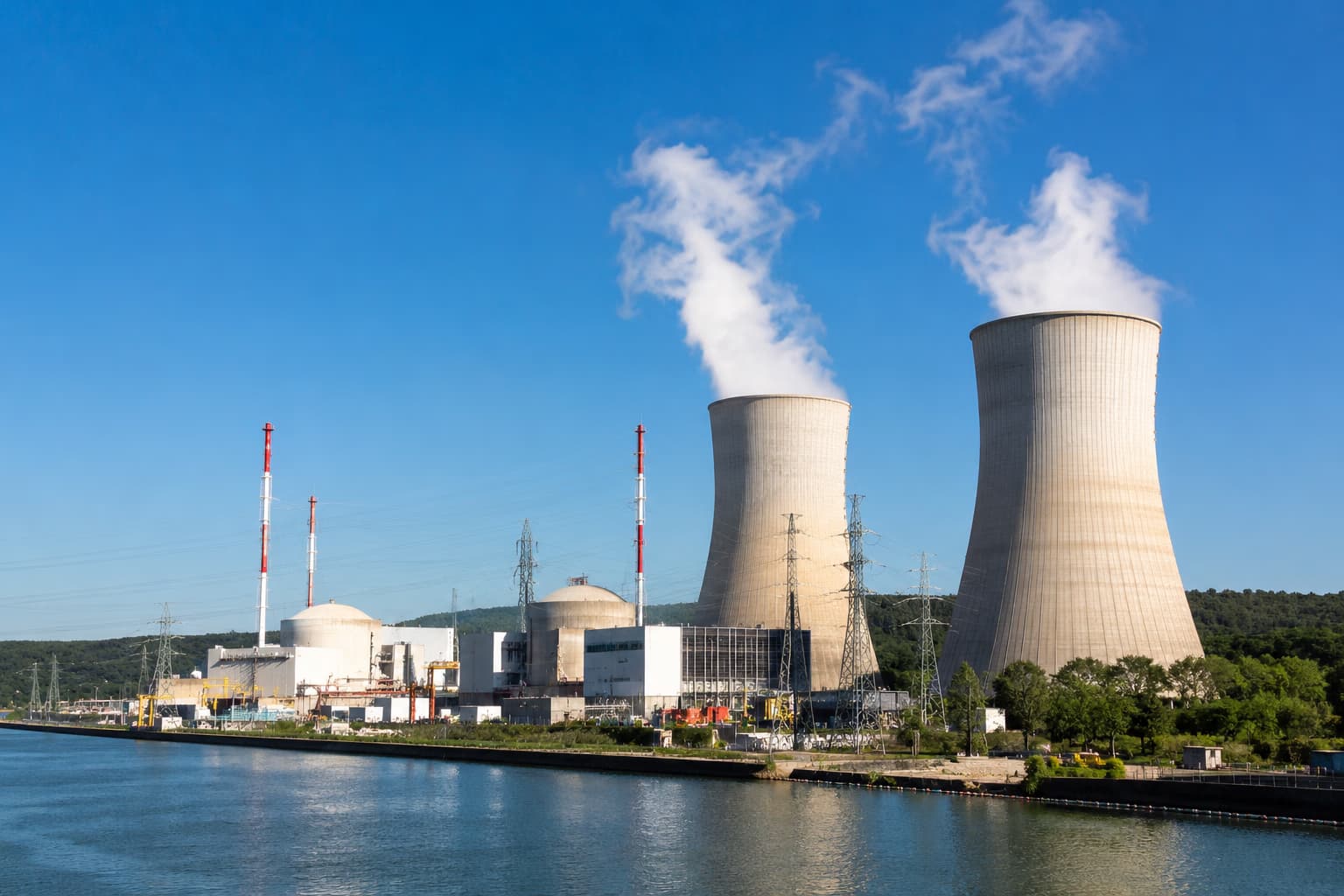
      • Deployment of EPR (European Pressurized Reactor) technology.
      • Localization of the nuclear supply chain.
      • Collaboration on Pumped Hydro Storage Projects (PHSP).

    Government Policies and Regulatory Framework:

    1. Nuclear Regulatory Reforms:

      • Progress in finalizing the regulatory framework for India's nuclear energy sector.
      • Introduction of the "SHANTI" regulations (Sustainable Harnessing and Advancement of Nuclear Technology in India) aimed at efficient, timely licensing processes.
    • The mission aligns with the QUAD Foreign Ministers’ Joint Statement of May 26, 2026, emphasizing commitment to a free, open, inclusive, and rules-based maritime order in the Indo-Pacific.
  • India's Maritime Vision:

    • The deployment reflects India's MAHASAGAR initiative (Mutual and Holistic Advancement for Security and Growth Across Regions), which underscores collective engagement with maritime partners to enhance regional security.
  • Broader Implications:

    • The QUAD nations are expanding cooperation in various domains, particularly in maritime strategies to improve coordination and interoperability, indicating a strategic emphasis on collective security and collaboration in the Indo-Pacific region.
  • These points highlight the ongoing initiatives and strategic partnerships formed under the QUAD framework, central to India's maritime security and international collaborations.

  • These regulations are designed to facilitate the participation of private and foreign partners in India's nuclear energy program.
  • Local Ecosystem Development:

    • EDF's commitment to creating an ecosystem and supply chain for large-scale localization in India, promoting domestic industry capabilities.
  • Economic and Strategic Importance:

    1. NTP-EDF Joint Venture:
      • Discussion on the proposed NTPC-EDF joint venture to advance the Pumped Hydro Storage Project, emphasizing mutual benefits and partnership strength.
      • The establishment of multiple nuclear reactors is expected to enhance supplier confidence and leverage the capabilities of the Indian industry.

    International Cooperation:

    1. Bilateral Relations:
      • The meeting reflects ongoing commitments between India and France to strengthen cooperation in the energy sector, particularly nuclear energy and renewable technologies.
      • The partnership aims to foster sustainable energy solutions, contributing to both nations' energy security and economic growth.

    Conclusion:

    This meeting underscores the strategic partnership between India and France in the electrical sector, particularly focusing on nuclear energy and renewable technologies. The discussions highlight significant regulatory reforms and collaborative projects aimed at enhancing energy infrastructure and fostering local industry growth.