iAspirants
Concerns Over India's Electoral Process
Published on:
Share this post
Article Summary
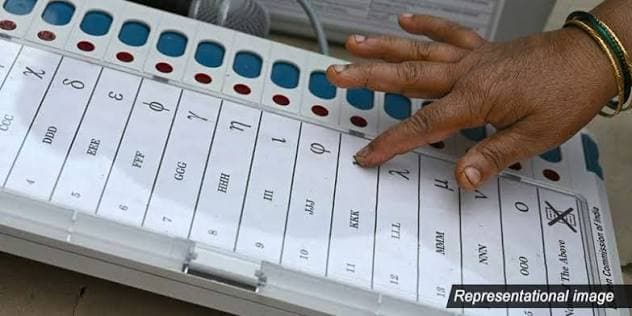
Electoral Process Concerns: 23 Opposition parties expressed apprehensions regarding the Special Intensive Revision (SIR) of electoral rolls in a letter to Chief Justice of India (CJI) Surya Kant. They highlighted issues of disenfranchisement affecting ordinary citizens, emphasizing the burdensome aspects of documentation required for voting.
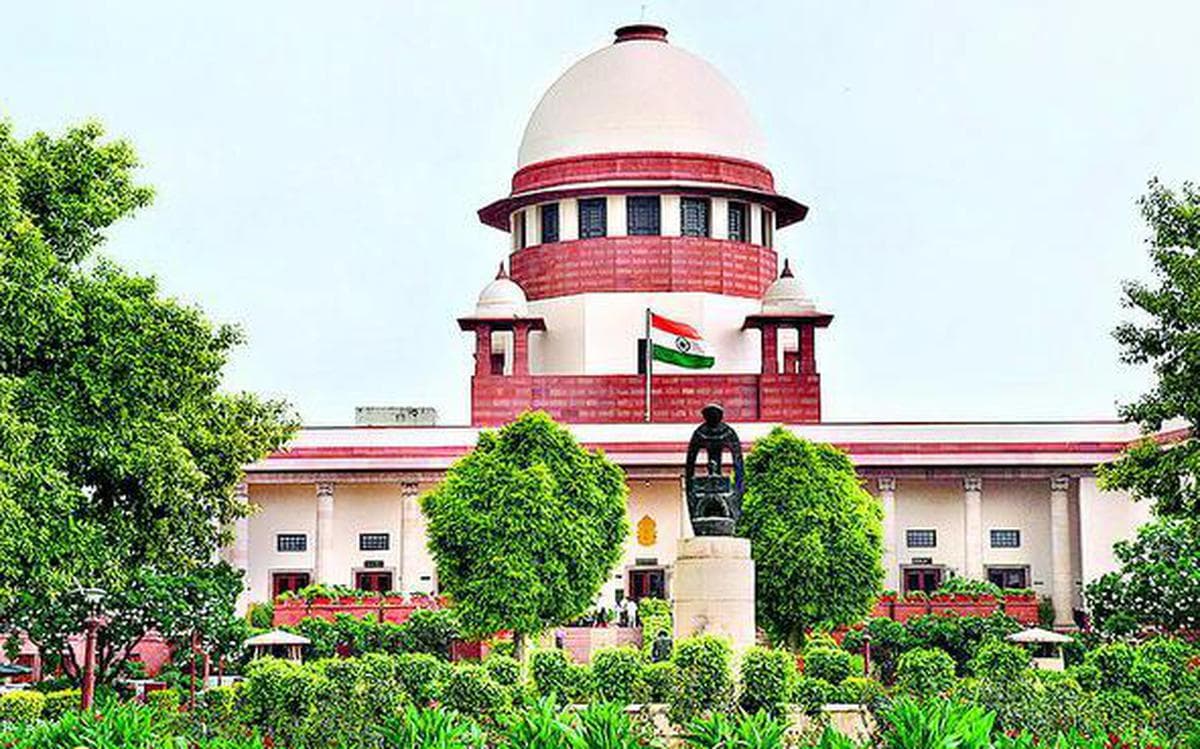
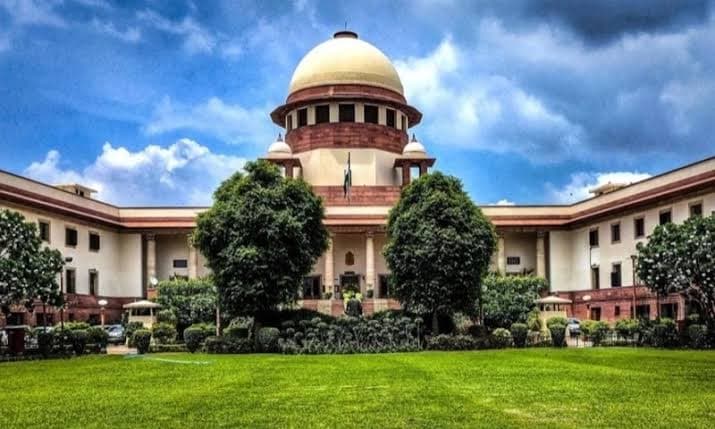
Judicial Analysis: The Supreme Court of India upheld the SIR exercise, interpreting it as a step towards free and fair elections. This ruling is critical, especially after approximately 6 crore voter names were reportedly deleted in the first year of implementing SIR. The Court’s limited timeframe for intervention post-implementation raises issues of effective judicial review.
Constitutional Context: The right to vote is embedded in the Indian Constitution, recognized as a fundamental political expression. However, modern practices, such as SIR, have incorporated complex requirements that threaten disenfranchisement, particularly for marginalized groups.
Judicial Review vs. Administrative Action: The CJI's ruling on the Bihar SIR case in May 2026 illustrates the Court's shift from traditional judicial review to an administrative role. This marks an unprecedented collaboration between the judiciary and the executive in managing electoral processes.
Critique of Court's Position: Concerns arise regarding the Court’s inclination towards legitimizing executive actions. The questioning framework adopted by the Court favored the technical aspects regarding the Election Commission of India (ECI) over fundamental issues of citizens' rights, particularly affecting minorities, women, and economically disadvantaged groups.
Executive Overreach: There are rising fears of an evolving political landscape that may not uphold institutional neutrality. Opposition leaders have voiced critiques against perceived judicial acquiescence to executive excesses, suggesting a shift towards authoritarianism.
Social Impact: The procedural complexities and rigid administrative demands pose significant challenges for voters, especially for those facing socio-economic barriers like illiteracy and poverty.
Historical Rulings as Precedents: The effectiveness of the Court in cases involving significant state actions, such as the demonetization of 2016 and the abrogation of Jammu and Kashmir's special status, illustrates a pattern of delayed and potentially ineffective judicial interventions.
Economic Indicators: While not directly mentioned in the article, the significant number of deletions in electoral rolls implicates electoral participation's effect on democratic representation and is crucial for policy-making and governance.
International Context: The situation in India's democracy reflects broader global trends of oppositional politics evolving beyond traditional methods, as grassroots movements gain importance in engendering political change.
Future of Electoral Politics: The inability of the judiciary to respond effectively when state actions have already been executed highlights the need for mechanisms to ensure timely judicial review to protect the integrity of electoral processes and democratic practices.
This summary encapsulates the critical dynamics in India’s electoral process while reflecting on the roles of the judiciary and executive, emphasizing the relevance of constitutional rights and social equity in voting practices.
Key Terms & Concepts
| Special Intensive Revision (SIR) | Electoral roll revision process |
| Election Commission of India (ECI) | Responsible for electoral conduct |
| Supreme Court of India | Judicial oversight on electoral issues |
| Bihar SIR case | Adjudicated electoral roll issues |
| 6 crore | Number of deleted names |
| Constitution | Guiding framework for voting rights |
| Demonetisation (2016) | Reference to legal precedents |
| Jammu and Kashmir | Affected region post-abrogation |
| Assam Assembly Elections 2026 | Upcoming electoral event |
| West Bengal Assembly Elections 2026 | Upcoming electoral event |