iAspirants
Climate Change Monitoring and Forecasting
Published on:
Share this post
Article Summary
Climate Change Monitoring and Preparedness in India
Key Institutions and Responsibilities:
- Ministry of Earth Sciences: Oversees climate monitoring through the India Meteorological Department (IMD).
- National Institute of Ocean Technology (NIOT): Maintains oceanic networks and tsunami warning systems.
- Indian National Centre for Ocean Information Services (INCOIS): Develops coastal vulnerability indices and mapping.
Climate Monitoring Tools:
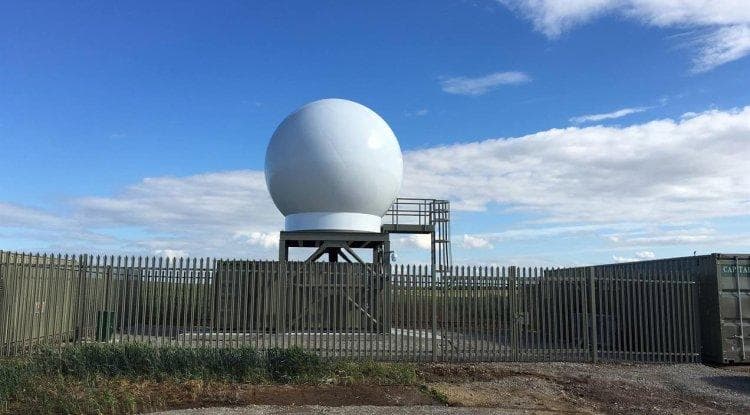
- Observation Networks: Utilizes Doppler radar, automatic weather stations, and rain gauge stations for real-time weather monitoring across the country.
- Climate Summaries: Monthly and annual reports on climate conditions, including extreme temperatures and rainfall variability over the last 30 years.
- Coastal Vulnerability Index: Developed on a 1:100,000 scale for evaluating risks from rising sea levels and natural disasters.
Disaster Preparedness and Response:
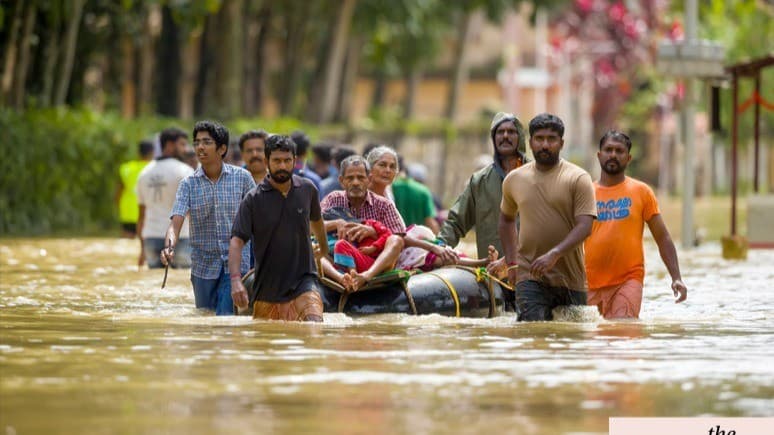
- Urban Flood Management: INCOIS provides rainfall forecasting and flood mapping for urban areas, notably in Mumbai.
- Real-time Alerts: Weather warnings disseminated through various digital platforms, including mobile applications and common alerting systems.
- Panchayat Weather Service Initiative: Connects weather forecasts with local governance via e-platforms for direct communication to representatives.
Mission Monsoon:
- Launched to enhance weather forecasting accuracy and disaster preparedness.
- Goals include:
- 10-15% improvement in forecasting accuracy by 2030.
- Dynamic, location-specific advisories to aid in informed decision-making.
- Increased lead time for early warnings and risk-based alerts for severe weather events.
Technological Advancements:
- Establishment of advanced monitoring stations such as:
- Doppler Weather Radar
- Microwave Radiometers
- Aerosol Monitoring Stations
- Targeting a spatial resolution of 5 km x 5 km for severe weather forecasts.
International and National Collaboration:
- Utilizes data from global networks to enhance local forecasting capabilities.
- Aligns with national disaster management protocols to prepare for cyclones and high waves.
Government Schemes and Policies:
- Agricultural Advisory Services: Provides climate-related advisories to farmers through awareness programs across 373 districts.
- Digital Platforms: Use of platforms like Kalp and Mausam Sankalp to deliver tailored agricultural and weather information.
Economic and Environmental Impact:
- Improved forecasting and risk assessment can significantly reduce disaster risks, benefiting socio-economic sectors sensitive to climate variability.
- Focus on enhancing coastal and urban resilience to climate change impacts.
Conclusion
The Government of India, through various ministries and institutions, is actively engaged in monitoring climate change, enhancing disaster preparedness, and providing essential services to mitigate the effects of severe weather events. The initiatives aim to improve forecasting accuracy, provide timely alerts, and ensure better preparedness for climate-related challenges.
Key Terms & Concepts
| Indian Meteorological Department | Monitors weather and climate |
| Ministry of Earth Sciences | Oversees climate monitoring |
| National Ocean Technology Institute | Maintains ocean monitoring networks |
| Cyclone Warning System | Alerts for severe weather events |
| Coastal Vulnerability Index | Assesses coastal risks |
| Doppler Weather Radar | Provides real-time weather data |
| Urban Flood Management | Supports flood forecasting |
| Mission Weather | Improves forecasting accuracy |
| WhatsApp Advisory | Disseminates weather forecasts |
| 1:100,000 Scale Mapping | Details coastal vulnerability |
| 2030 Forecast Improvement Goal | Aims for 10-15% accuracy increase |