iAspirants
Current AffairsPrelims PYQsUPSC CSE SyllabusUPSC CSE StrategyBlogsPricing
Login
iAspirants

Your AI-powered companion for UPSC preparation.

Quick Links

  • Home
  • About Us
  • Current Affairs
  • Prelims PYQs
  • UPSC CSE Syllabus
  • UPSC CSE Strategy
  • Blogs

Company

  • Pricing
  • FAQs
  • Contact Us
  • Login

Legal

  • Privacy Policy
  • Terms & Conditions
  • Return Policy

© 2025 iAspirants, Inc. All rights reserved.

  1. Blogs
  2. Polity and Governance

Citizen Protests Against Police Actions

Published on: 18-Oct-2026

Source: Indian Express

Share this post
Citizen Protests Against Police Actions

Article Summary

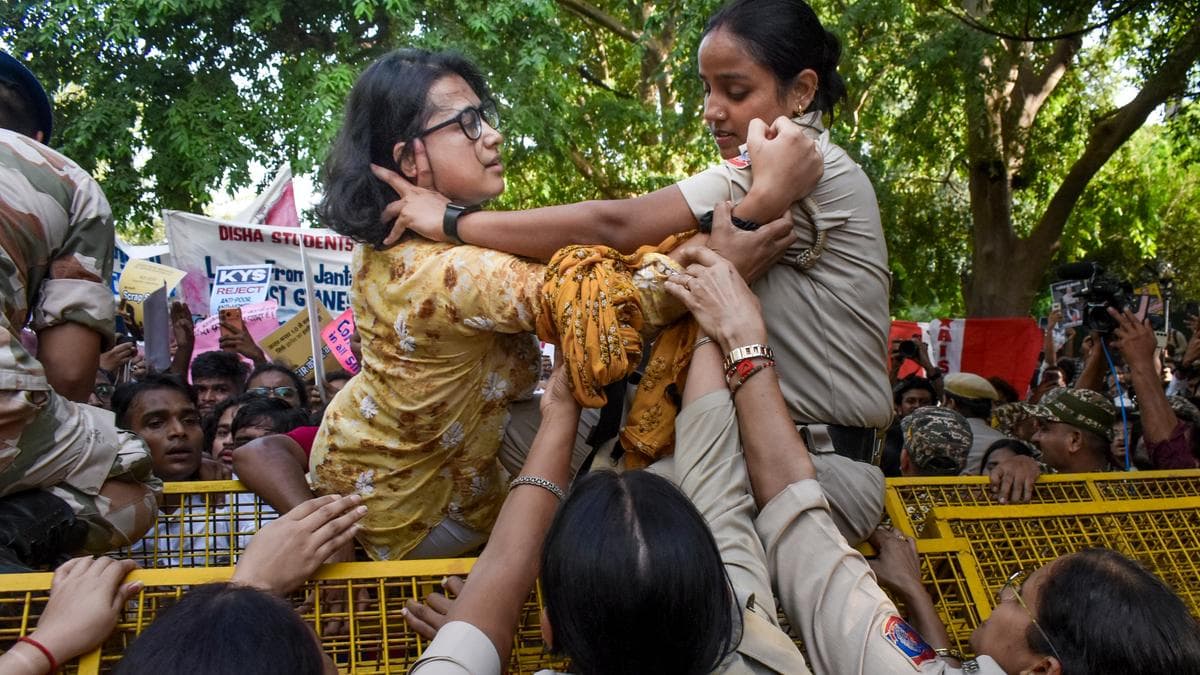
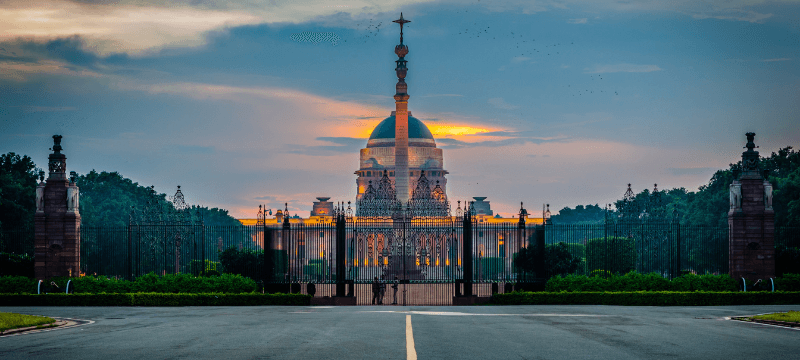
  • Supreme Court Rulings: Issued contempt notices to the Union Home Secretary and Delhi Police Commissioner for non-compliance with directions regarding police action during protests. The allegations include failure to register FIRs and accountability for police conduct.

  • Police Conduct: Allegros include physical attacks on journalists and protesters, primarily concerning three female journalists who reported harassment but did not see FIRs registered against the accused officers. Instead, the police filed an FIR against a journalist under the SC/ST Act.

  • Legislative Reference: Under the law, when a woman reports sexual assault or harassment, a cognizable offence must be registered; failing this underscores violations of citizen's rights.

  • Vigilante Groups: Documented presence of right-wing groups acting as 'law enforcers,' threatening and physically assaulting journalists and protesters. Officers were reportedly passive during these incidents, leading to concerns over the state's monopoly on violence as per constitutional parameters.

  • Judicial Emphasis: The need for law enforcement to adhere strictly to legal protocols and maintain an impartial stance in managing protests, particularly in the context of politically sensitive situations.

  • Government Schemes and Policies: The necessity for the police force to uphold human rights and citizen safety, indicative of broader governance and law enforcement mandates.

  • Constitutional Articles: Implications arise regarding Articles that protect citizens' rights to protest, freedom of expression, and safety from unlawful detention and violence.

  • Social and Political Context: The protests are emblematic of wider dissent against governmental policies and police actions, calling into question the limits of state power and citizen rights in a democratic framework.

  • Continued Protests: Citizens are reaffirming their faith in the judiciary to uphold constitutional mandates, emphasizing the ongoing relevance of civil rights and democratic expressions in India.

  • Criminal Accountability: Urgent calls for police to investigate and register complaints regarding harassment, ensuring proper protocol in maintaining law and order without political interference.

Key Terms & Concepts

Supreme CourtIssued contempt notices
Delhi PoliceRecorded incidents of harassment
SC/ST ActLegal framework cited
October 3Date of reported incidents
Hindu Raksha DalGroup involved in violence
Metro GatesSubject of court's contempt notice
October 9Date of Supreme Court directions
Vigilante GroupsActed as parallel law enforcers

Mind Map for UPSC Civil Services Revision

Turn UPSC Civil Services Current Affairs Into Exam-Ready Notes

Reading Polity and Governance current affairs is half the work. Revise them with ready-made notes and test what actually stuck.

  • Daily UPSC Civil Services current affairs analysis
  • Revision notes, mind maps & MCQs
  • Prelims mock tests with instant results

Related UPSC Civil Services Current Affairs Articles

Inclusive Politics for Disability Rights
Polity and Governance18-Oct-2026

Inclusive Politics for Disability Rights

Summary of Disability Rights and Politics in India

Constitutional and Legal Frameworks

  • Article 29 of the UNCRPD: Recognizes the rights of persons with disabilities to participate effectively in political and public life on an equal basis with others.
  • Persons with Disabilities Act, 1995: An earlier legislative milestone in disability rights.
  • Rights of Persons with Disabilities Act, 2016: Strengthened the legal framework post India's ratification of the UNCRPD.
  • Policy and Government Schemes

    • Charity vs. Rights-Based Approach: Disability rights in India have historically been influenced more by charity than enforceable rights, impacting persons with disabilities' political and social inclusion.
    • Accessibility Concept: Accessibility should involve physical, process, and product access, which is currently inadequately addressed in educational and public environments.

    Judicial Interventions and Implementation

    • Multiple judicial rulings and legislative frameworks exist to advocate for disability rights; however, effective implementation remains a significant challenge, coupled with inadequate visibility of disability issues in political discourse.

    Political Representation Issues

    • Exclusion from Mainstream Politics: Persons with disabilities often remain politically marginal. The presence of individuals with disabilities in political roles does not ensure systemic representation or focus on disability issues as primary political concerns.
    • Political participation extends beyond voting to include active engagement in political discourse, campaigning for rights, and institutions.

    Historical Context and Influence

    • Ambedkar's Legacy: Dr. B.R. Ambedkar advocated for an inclusive political discourse for marginalized communities. His strategies for Dalit political mobilization underscore the potential for a structured approach to elevating disability rights and visibility.

    Call to Action

    • The need for disability organizations to engage actively in political advocacy, influence political narratives, and recognize advocacy as a vital political activity.
    • Ensuring that disability rights transition from welfare approaches to considerations of citizenship, equality, and political participation.

    Conclusion

    The intertwining themes of political visibility and rights-based advocacy mark the path forward for persons with disabilities in India. Addressing inclusion requires not just legal recognition but a transformative political engagement, inspired by historical movements for social justice.

    Key Takeaways

    • Political and social inclusion for persons with disabilities remains critically underdeveloped in India.
    • A holistic understanding of accessibility is imperative for genuine integration.
    • Advocating for greater visibility and systemic representation is crucial for advancing disability rights.
    • Learning from historical figures like Ambedkar can shape effective strategies for political engagement in disability activism.
    Supreme Court Addresses Child Safety
    Polity and Governance18-Oct-2026

    Supreme Court Addresses Child Safety

    Supreme Court Ruling on Child Protection and Social Media Regulation

    Constitutional References:

    • Article 21: Right to life and personal liberty.
    • Article 19(1)(a): Right to freedom of speech and expression.

    Legal Framework:

    • POCSO Act: Protection of Children from Sexual Offences Act.
    • IT Act: Information Technology Act, which contains special penal provisions for the protection of children.

    Key Findings:

    • The Supreme Court emphasizes the lack of compliance by social media intermediaries regarding child protection measures.
    • In 2024, the Court issued directions aimed at preventing the circulation of Child Sexual Exploitation and Abuse Material (CSEAM) and noted no significant action has been taken despite two years.

    Directives from the Supreme Court:

    1. Intermediaries Responsibility: All social media platforms must ensure CSEAM is not offered, hosted, uploaded, or promoted directly or indirectly. This includes the use of paywalls or subscription models.

    2. Framework for Penalties: The Centre is directed to create a framework for imposing monetary fines on intermediaries for breaches of duties under the IT Act. Penalties should consider:

      • Gravity and duration of the violation
      • Size and turnover of the intermediary
    3. Revenue Forfeiture: Revenue derived from any CSEAM through paywall or subscriptions must be forfeited.

    4. Right to Internet: Recognizes the right to access the internet as fundamental, especially highlighting that children have the same rights to protection and free speech.

    5. Guidelines for Content Detection: Directs the Centre to formulate guidelines for using perceptual hash matching and URL listing to detect and remove CSEAM.

    6. National Hash & URL List Database: Creation of a database for detecting and removing CSEAM.

    7. Due Diligence: Intermediaries must conduct proper verification before detecting and removing CSEAM of "Unknown Origin."

    Suggestions for Legislative Amendments:

    • Parliament is advised to amend the POCSO Act to change the term "child pornography" to "child sexual exploitative and abuse material" to better reflect the nature of the offenses.

    Importance of Action:

    • The Court reiterated the urgency for all stakeholders, including regulatory authorities and social media platforms, to implement safeguards against CSEAM, emphasizing that unregulated access can pose significant risks to children.

    This ruling highlights the critical intersection of children's rights, digital safety, legal responsibility, and the need for proactive measures to enhance child protection in the digital realm.

    Tragic Stampede at Kolkata Durga Puja
    Polity and Governance18-Oct-2026

    Tragic Stampede at Kolkata Durga Puja

    Summary of Key Updates on Kolkata Durga Puja Stampede

    • Incident Overview:

      • A stampede occurred at Kolkata's Chorbagan Sarbojanin Durgotstab on October 17, 2026, leading to the deaths of at least 19 individuals and injuring 24 others, primarily women and children.
    • Government Responses:

      • Compensation Announcements:
        • West Bengal CM Suvendu Adhikari announced compensation of ₹25 lakh to each next of kin of those deceased and ₹5 lakh for the injured.
        • Prime Minister Narendra Modi declared an ex gratia of ₹2 lakh for the families of the deceased from the Prime Minister's National Relief Fund (PMNRF) and ₹50,000 for the injured.
    • Emergency Services and Medical Response:

      • Ambulances and firefighters responded promptly to the scene, with injured individuals transported to Kolkata Medical College for treatment.
      • Concerns raised by a medical intern highlighted inadequate emergency facilities at local hospitals, leading to referrals to private hospitals.
    • Investigation and Legal Actions:

      • Kolkata Police detained 12 individuals, including event organizers and volunteers, to investigate crowd management failures.
      • CM Adhikari has requested a judicial inquiry by the Chief Justice of the Calcutta High Court to establish a Special Investigation Team.
    • Public Safety Measures:

      • The West Bengal government has urged enhanced vigilance and precaution at ongoing Durga Pujas throughout the state.
      • CM Adhikari emphasized accountability and possible legal actions against those responsible for the mismanagement leading to the tragedy.
    • Eyewitness Accounts:

      • Eyewitnesses reported that false announcements regarding the pandal's collapse caused panic, leading to mass disorder.
    • Political Reactions:

      • Leaders across various political parties, including Mamata Banerjee and Rajnath Singh, expressed condolences and stressed the need for immediate medical support and thorough investigations.
    • Response from Local Authorities:

      • Local officials have halted public access to the Durga Puja pandal to facilitate investigations and rescue operations.
    • Economic and Social Impact:

      • The grief and loss from this incident may have profound economic and social effects, especially on the families of the deceased and injured, underscoring the need for strengthened emergency infrastructure and emergency response planning.

    Overall, this incident has raised significant concerns about public safety, emergency preparedness, and accountability in managing large gatherings. The government's immediate financial assistance and commitment to investigate underlying causes are crucial steps in addressing the aftermath of this tragedy.

    Protests and Police Brutality in Delhi
    Polity and Governance17-Oct-2026

    Protests and Police Brutality in Delhi

    Key Notes on Recent Protests and Supreme Court Involvement

    Constitutional Framework

    • Supreme Court Jurisdiction: The Supreme Court issued contempt notices to the Union Home Secretary and Delhi Police Commissioner for failing to comply with its directives regarding the handling of protests and related civil rights violations.

    Judicial Response

    • Contempt Case: The Supreme Court noted serious allegations involving police misconduct during protests, including sexual harassment of female journalists, and ordered accountability measures.
    • Failure to Register FIRs: Despite reports from female journalists of harassment, no First Information Report (FIR) was filed against officers, raising concerns about adherence to legal protocols for such grave allegations.

    Police and Protestor Dynamics

    • Police Misconduct: The police were criticized for their harsh tactics against protesters and journalists, leading to calls for accountability and registration of the complaints made by the victims of harassment.
    • Vigilante Activity: Reports indicate that right-wing groups operated as parallel enforcers, collaborating with the police, which raises constitutional concerns regarding state monopoly on legitimate use of force.

    Government Response

    • Apology from Police Commissioner: An apology was issued by the Delhi Police Commissioner; however, it was argued that this did not amount to an admission of wrongdoing, thus failing to address the root issues raised.

    Societal Impact

    • Public Outcry and Vigilantism: Videos showed vigilante groups threatening journalists while police observed without intervening. The societal implications include deterioration of citizen safety and trust in law enforcement.

    Expectations of Accountability

    • Citizens expect the government and police to:
      • Register complaints of harassment as FIRs and investigate properly.
      • Address the presence of vigilante groups interfering with lawful protests.
      • Uphold the constitutional right to peaceful assembly and protect journalists.

    Importance of Supreme Court Oversight

    • Continuous public trust in the Supreme Court is highlighted, with citizens relying on the judiciary to uphold constitutional rights amidst alleged police transgressions.

    Conclusion

    The ongoing protests and the involvement of the Supreme Court underscore critical concerns about police accountability, citizens' rights to protest, and the rule of law in the context of rising vigilantism. The judicial system plays a crucial role in ensuring adherence to constitutional protections and accountability mechanisms.

    Supreme Court Decision on Caste Reservation
    Polity and Governance17-Oct-2026

    Supreme Court Decision on Caste Reservation

    Supreme Court Ruling on Reservation for Converts

    Case Overview:

    • The Supreme Court upheld the Madras High Court's ruling that a person converting from Hinduism to Islam cannot claim reservation under the Backward Class (Muslim) category based solely on conversion.
    • The decision involved a man who converted to Islam and sought certification as a "Muslim Lebbai", classified under Tamil Nadu's backward classes, which offer a 3.5% reservation as per the 2007 State Act.

    Legal Background:

    • The Constitution's Article 16(4) allows for affirmative action for backward classes, but the Court ruled that conversion does not carry over social backwardness from a person's previous religion.
    • The ruling emphasized that the legal identity as a Scheduled Caste is tied to the religion professed, as per:
      • Article 341: Defines Scheduled Castes (SC) under the Constitution (Scheduled Castes) Order, 1950.
      • Article 366(24): Defines SCs as those notified by the President.

    Judicial Findings:

    Rising Concerns Over Women's Safety
    Polity and Governance16-Oct-2026

    Rising Concerns Over Women's Safety

    Summary of Key Points:

    Constitutional and Legal Context:

    • Gender Rights: Issues relating to women's safety and harassment reflect broader concerns under Articles 14 (Right to Equality), 19 (Freedom of Speech), and 21 (Right to Life and Personal Liberty) of the Indian Constitution.

    Current Events and Societal Issues:

    • Protests and Marches: A women-only march at Lady Shri Ram College on September 23 highlighted concerns regarding personal safety for women in public spaces, motivated by recent incidents of sexual harassment.
    • Harassment Incidents: Reports of regular street harassment near popular commuting spots, showing systemic issues with public safety for women.

    Impact of Gender-Based Violence:

    • Fear and Caution: Women, including students and journalists, are adjusting their daily behavior and attire based on perceived safety; many opt for safer commuting options, alarmed by experiences of harassment.
    • Notable Cases: A gang rape incident in Astha Kunj Park involving a 17-year-old girl and the deaths from a building collapse in Satya Niketan point to urgent public safety concerns.

    Law Enforcement Response:

    • Police Dynamics: Encounters with police during protests can lead to situations where crowd control may be perceived as intimidation; individuals, including women journalists, report being treated with physical force during detentions.
    • Disparity in Treatment: Accounts suggest a gendered experience in police interactions, raising concerns about the safety and treatment of women during law enforcement operations.

    Personal Narratives:

    • Perception of Safety: Women journalists navigate safety anxieties in their work environments and decisions, revealing the societal pressures and dangers they face in their professional roles.
    • Family Concerns: Parental anxiety around safety remain heightened, particularly in professions that expose women to public and potentially dangerous situations.

    Socio-Cultural Reflections:

    • Changing Workplace Dynamics: Female journalists expressing concerns about proper attire or accessibility to job opportunities reflect ingrained societal gender biases and fear of judgment.
    • Tradition vs. Professionalism: The necessity for women to adjust their appearance and behavior in professional environments underscores the ongoing societal pressures and expectations related to gender.

    Conclusion:

    Systematic harassment and gender-based violence remain critical issues in India, impacting women's rights, safety, and freedoms. Activism and societal protests serve as crucial responses against these injustices, emphasizing the need for policy reforms and improved policing standards to protect women's safety and uphold their constitutional rights.

    • Conversion to a non-Hindu religion results in the loss of SC status and does not automatically confer membership to a backward community of the new religion.
    • The Court reiterated that reservation benefits are not personal entitlements but attached to constitutionally identified classes.
    • The High Court's examination of the state government order (GO) was justified as it was central to the relief sought.

    Process and Implications:

    • The Court rejected the state's argument that the GO merely preserved pre-conversion benefits.
    • Clarified that Muslim communities specified as backward in Tamil Nadu arise from social history rather than theological denominations.
    • The judgment underscores the importance of maintaining a distinction between community status and religious affiliation.

    Conclusion:

    • The Supreme Court ruling delineates the specific legal frameworks pertinent to caste-based reservations, reinforcing that conversion impacts eligibility for state-sponsored affirmative action.
    • This ruling could influence future applications related to caste status and affirmative action claims for converted individuals across India.

    Constitutional Articles Referenced:

    • Article 16(4): Provides for reservations for backward classes.
    • Article 341: Details protocols concerning Scheduled Castes.
    • Article 366(24): Further defines Scheduled Castes in alignment with Article 341.

    Judicial Impact:

    • The ruling will likely have wider implications on similar cases involving religious conversion and caste-based reservations, setting a precedent on the socio-legal intersection of religion and social identity.