iAspirants
Chromium Contamination in Uttar Pradesh
Published on:
Share this post
Article Summary
Summary of Environmental & Health Crisis in Uttar Pradesh
Health Concerns
- Contaminated Water: Residents in Fatehpur, Kanpur Dehat, and Kanpur Nagar districts are suffering from severe health issues attributed to chromium (VI) contamination in groundwater.
- Health Statistics: Government tests from 2025 reveal 73%-96% of residents have chromium (VI) levels above permissible limits.
- Reported Symptoms: Common ailments include liver issues, stomach ulcers, skin rashes, and gastroenteritis.
Environmental Background
- Chromium (VI): A hazardous chemical used in industries for electroplating and leather production, classified as a carcinogen by the International Agency for Research on Cancer.
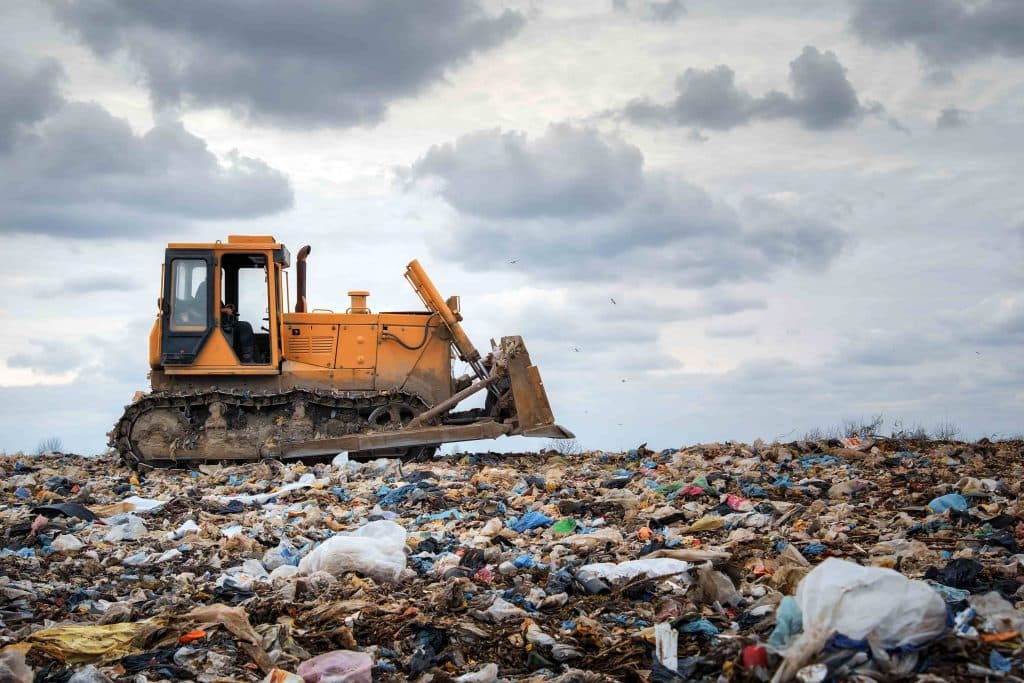
- Dump Sites: Significant chromium dumps have existed since 1976, with reports indicating past disposal practices caused groundwater contamination.
Policies & Government Actions
- National Green Tribunal (NGT): An independent body addressing environmental issues that has ordered factory closures and clean-ups of chromium waste.
- NGT Orders: In 2017, the NGT initiated the removal of chromium dumps, but communities report continued environmental degradation.
- Policy Gap: Residents highlight insufficient action from the government, often delayed until NGT interventions.
Government Response
- Lack of Testing Facilities: No public testing for heavy metals in the affected districts; villagers fail to receive adequate health examination or remediation.
- Water Supply Issues: Residents face unreliable piped water supplies, often tainted, forcing reliance on contaminated handpumps.
Economic Impact
- Cost of Clean Water: Many families cannot afford clean water options like RO water systems, leading to health risks.
- Income Data: Laborers earning between ₹10,400 to ₹12,000 monthly struggle with health vulnerabilities linked to contaminated water usage.
Ongoing Research
- IIT Kanpur Study: A comprehensive study led by IIT Kanpur aims to map the extent of contamination. Initial phases expected to last six months, focusing on identifying and isolating contaminated areas.
Community Reaction
- Public Sentiment: Villagers express frustration and humor about their predicament, indicating a lack of urgency from authorities to address their plight.
This situation underscores the grave public health and environmental challenges associated with industrial pollution, highlighting the need for robust legislative frameworks and timely government action to protect affected communities.
Key Terms & Concepts
| Chromium (VI) | Contaminant affecting health |
| National Green Tribunal (NGT) | Regulatory body for pollution matters |
| 2025 government report | Shows health impacts of contamination |
| Hexavalent chromium | Carcinogenic chemical compound |
| Kanpur Dehat | Region affected by pollution |
| Fatehpur | District facing contamination |
| Kanpur Nagar | Area affected by chemical waste |
| 2005 | Year of factory shutdown order |
| 2017 | Year NGT ordered removal of dumps |
| 62,225 metric tonnes | Amount of chromium waste found |
| 1976 | Year of first major chromium dump |
| 15-20 patients | Monthly hospital visits increase |
| ₹20 |