iAspirants
Current AffairsPrelims PYQsUPSC CSE SyllabusUPSC CSE StrategyBlogsPricing
Login
iAspirants

Your AI-powered companion for UPSC preparation.

Quick Links

  • Home
  • About Us
  • Current Affairs
  • Prelims PYQs
  • UPSC CSE Syllabus
  • UPSC CSE Strategy
  • Blogs

Company

  • Pricing
  • FAQs
  • Contact Us
  • Login

Legal

  • Privacy Policy
  • Terms & Conditions
  • Return Policy

© 2025 iAspirants, Inc. All rights reserved.

  1. Blogs
  2. Art and Culture

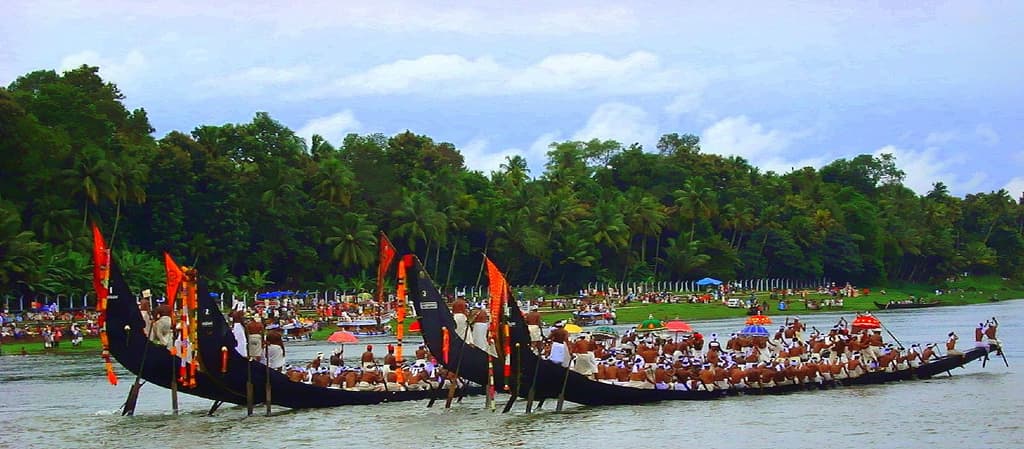
Celebrating Aranmula Uthrittathi Vallamkali

Published on: 30-Aug-2026

Share this post

Celebrating Aranmula Uthrittathi Vallamkali

Article Summary

Exam-Focused Notes on Aranmula Uthrittathi Vallamkali Inauguration

Event Overview:

  • Inauguration: Aranmula Uthrittathi Vallamkali on the River Pamba.
  • Date: August 30, 2026.
  • Official Inaugurator: Vice President Shri C. P. Radhakrishnan.

Cultural Significance:

  • Symbolism: The festival represents Keralam’s rich cultural heritage, devotion, and timeless traditions.
  • Tradition and Modernity: Emphasizes the coexistence of tradition and modernity, reflecting the vision of Prime Minister Narendra Modi: "Development and Heritage Together."

Key Highlights:

  • Teamwork and Discipline: The event showcases teamwork and discipline through the coordinated rowing of beautifully decorated Palliyodam boats by over a hundred rowers.
  • Spiritual Importance: The Pamba River is integral to the Sabarimala pilgrimage, symbolizing faith, purity, and spiritual devotion.
  • Historical Context: The Vice President recalled his first Sabarimala pilgrimage and its significance in his political journey, attributing part of his electoral success to divine blessings.

Legislative Reference:

  • Bill Passage: The Vice President mentioned his role in passing the bill for the state name change during his tenure as Rajya Sabha Chairman.

Cultural Heritage:

  • Aranmula Kannadi: Highlighted the GI-tagged Aranmula Kannadi (mirror), known for its craftsmanship, and its presentation to guests at previous events.
  • Preservation of Tradition: Emphasized the importance of preserving traditional arts, crafts, and knowledge systems for future generations.

Civic Participation:

  • Community Engagement: The festival draws participation from Keralites, including those living abroad, showcasing the cultural ties that bind individuals to their roots.

Diversity and Unity:

  • Cultural Unity: The Vice President stated that India's diversity serves as a source of strength rather than division, reflecting the unity in cultural festivals across the nation.

Attendees:

  • Prominent figures included Kerala Governor Shri Rajendra Vishwanath Arlekar, Home Minister Shri Ramesh Chennithala, Higher Education Minister Shri Roji M. John, Water Resources Minister Shri Mons Joseph, and other notable dignitaries.

Conclusion

The Aranmula Uthrittathi Vallamkali serves as a vital reminder of Keralam's cultural richness and the importance of balancing tradition with modernity. The event promotes community bonding and highlights the spiritual and historical significance of the Pamba River and its cultural practices.

Key Terms & Concepts

Aranmula Uthrittathi VallamkaliCultural festival in Kerala
Pamba RiverLocation of the festival
Shri AyyappaHindu deity associated with pilgrimage
GI-tagged Aranmula KannadiTraditional handicraft of Aranmula
Sabari Mala PilgrimageSpiritual journey linked to festival
PM Narendra Modi's VisionPromotes development and heritage
KeralaState celebrating cultural heritage
OnamFestival celebrated in Kerala
Traditional arts and craftsFocus of heritage preservation

Mind Map for UPSC Civil Services Revision

Turn UPSC Civil Services Current Affairs Into Exam-Ready Notes

Reading Art and Culture current affairs is half the work. Revise them with ready-made notes and test what actually stuck.

  • Daily UPSC Civil Services current affairs analysis
  • Revision notes, mind maps & MCQs
  • Prelims mock tests with instant results

Related UPSC Civil Services Current Affairs Articles

Celebrating B.V. Karanth's Legacy
Art and Culture31-Aug-2026

Celebrating B.V. Karanth's Legacy

Summary of Key Facts and Events

Cultural Significance:

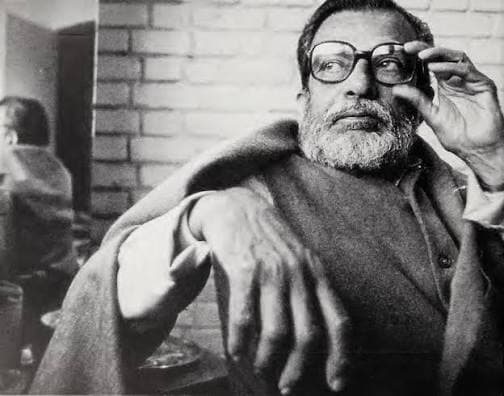
  • Benaka Theatre Repertory: Founded in 1974 by B.V. Karanth, a notable figure in Indian theatre.
  • 'Karantha Maasa' Celebration: A month-long event in September to commemorate Karanth's 98th birth anniversary, featuring various theatre performances, workshops, and cultural programs.

Event Schedule:

  • Theatrical Tour: Benaka will perform in Dharwad on September 5 and 6.
  • Theatre Festival: Scheduled for September 16 at Kalagrama, Bengaluru, beginning with ‘Baba Karantha’, a biographical play about B.V. Karanth.
  • Workshops: On September 18, 21, and 22 at Ravindra Kalakshetra, focusing on contemporary theatre practices and the role of Artificial Intelligence.

Featured Plays:

  • Performances: The plays ‘Hayavadana’, ‘Sattavara Neralu’, and ‘Gokula Nirgamana’ will be featured alongside the workshops on specified dates.

Corporate Partnership:

  • Tekion Partnership: A U.S.-based automotive retail tech company collaborating with Benaka as part of its Corporate Social Responsibility (CSR) to support the 'Karantha Maasa' initiative.

Important Notes:

  • Cultural Contributions: The events aim to reflect the artistic legacy of B.V. Karanth and promote theatre to broader audiences.
  • Use of Technology in Arts: The workshops will include discussions on the integration of Artificial Intelligence in contemporary theatre practices, indicating a blend of traditional art forms with modern technology.

This summary encapsulates the essence of the events and their significance in the cultural landscape, highlighting the commitment to preserving and promoting theatre arts in India.

Power of Literature in History
Art and Culture29-Aug-2026

Power of Literature in History

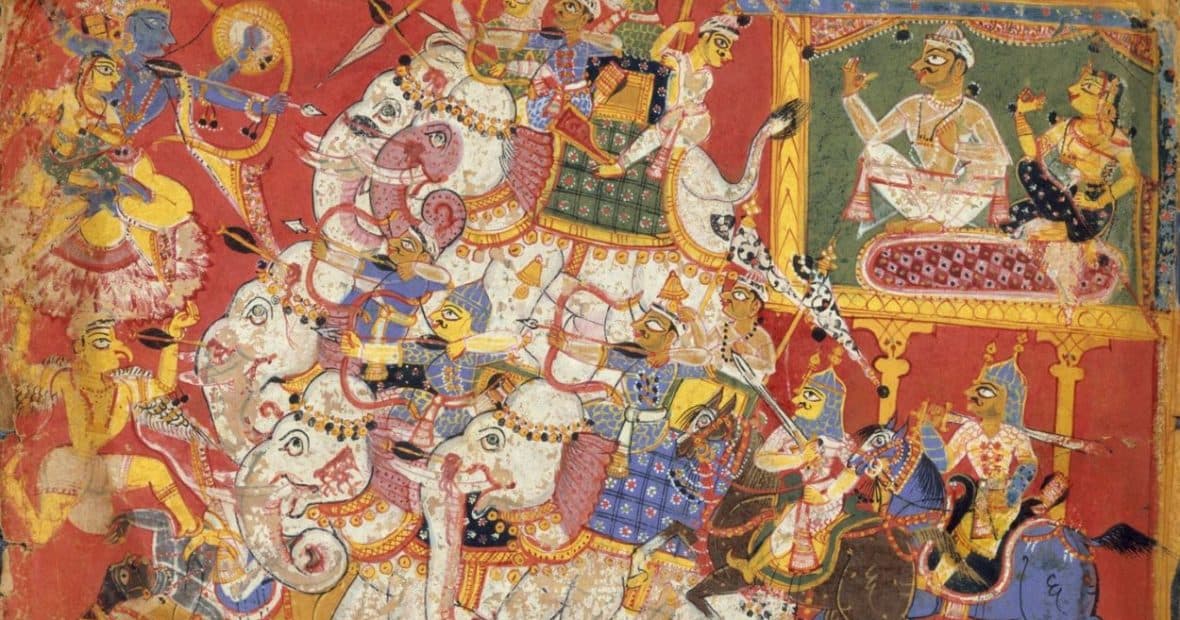
  • Literature and History: Su. Venkatesan, a Sahitya Akademi award-winning writer and MP, argues that literature, when intertwined with history, has a profound impact on society. He emphasizes that historical narratives can resonate more powerfully through literary forms than through straightforward history writing.

  • Notable Works:

    • Kaval Kottam: Venkatesan’s debut novel, which won the Sahitya Akademi award, is set against the historical backdrop of Madurai.
    • Veerayuga Nayagan Velpari: His second novel incorporates extensive knowledge about the Sangam era, including elements like astronomy and maritime wisdom, creating a holistic representation of that period.
  • Artistic Freedom vs. Historical Accuracy: Venkatesan believes that while historical truths should not be completely altered, artistic interpretation allows for different representations of events. He asserts that the essence of history should remain intact, but the portrayal can vary in scale and emphasis.

  • Literature as a Tool for Social Change: He contrasts the roles of a writer and a public representative, stating that literature has a lasting impact and addresses broader societal issues, whereas political representation deals with immediate concerns.

  • Cultural Reclamation: Venkatesan stresses the importance of reclaiming and recreating historical narratives to reflect contemporary experiences. He views this as a vital aspect of cultural and political discourse.

  • Political Dimensions of Literature: He describes the act of storytelling, especially of historical figures and events, as a form of politics that engages with cultural narratives and adversaries.

This summary highlights the intersection of literature and history, the significance of storytelling in social change, and the cultural responsibilities of writers as emphasized by Su. Venkatesan.