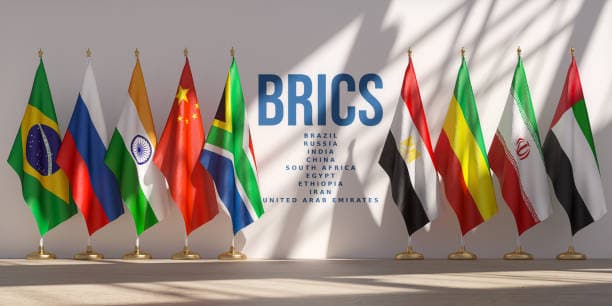
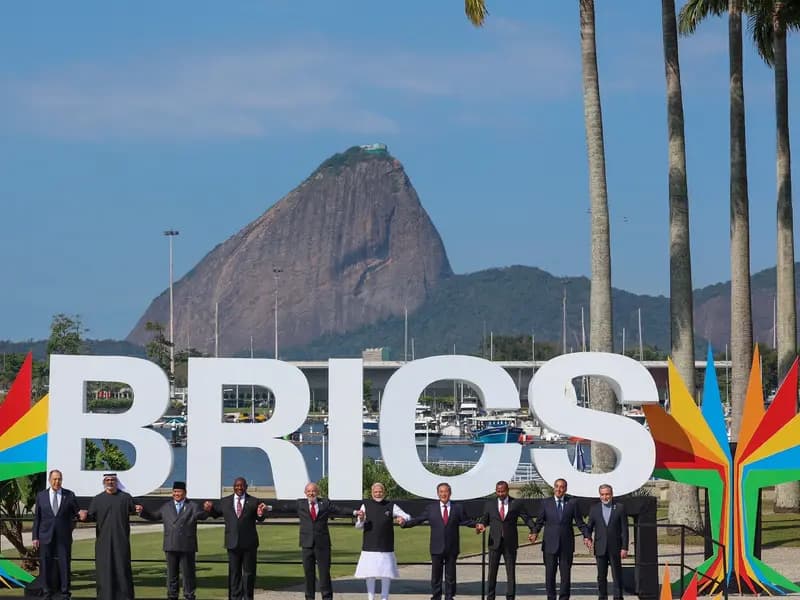
The BRICS summit resulted in a joint declaration addressing the recent conflict in West Asia (involving the US and Iran), following extensive diplomatic negotiations by Indian officials.
Key Diplomatic Efforts:
The negotiations spanned nearly 100 hours and were informed by previous Sherpa meetings in Delhi (February and May 2023) and involved extensive communication with member countries.
Indian diplomats used their diverse expertise to foster dialogue, including outreach by Prime Minister Narendra Modi and high-level ministers.
Significant Dates and Meetings:
First BRICS Sherpas meeting: February 9-11, 2023, in New Delhi outlined priorities under India’s chairmanship.
Second Sherpas’ meeting: May 11-13, 2023 - noted a shift in dynamics between the UAE and Iran.
Meetings between Modi and world leaders (including the UAE and Iranian presidents) in May and June laid the groundwork for BRICS consensus.
Ceasefire and Negotiations:
A 60-day ceasefire between the US and Iran created a temporary opportunity for diplomatic engagement.
Discussion included territories, civilian protections, and a united front against escalation in the Middle East.
Final Declaration and Content:
The declaration, referred to as Paragraph 28, displays collective concern over rising tensions and endorses maximum restraint.
Key points:
Emphasizes the need to protect civilians and infrastructure.
Calls for diplomatic dialogue towards lasting peace and stability in the region.
Encourages smooth trade and energy flow in accordance with international law.
References to Constitutional and International Law:
Emphasizes adherence to UN Charter principles, specifically regarding sovereignty and territorial integrity of states.
Roles of Key Diplomatic Personnel:
Sudhakar Dalela: BRICS Sherpa and leader in negotiations; extensive experience in diplomacy with a background in trade policy.
Shambhu Lingappa Hakki: Sous Sherpa, key in managing communications; fluent in Mandarin.
Dr. Basir Ahmad: Joint Secretary focused on multilateral economic relations.
Rajiv Bodwade and Mini Devi Kumam: Contributing to the MER division in key roles during negotiations.
International Involvement:
China and Russia played critical roles in facilitating the agreements, with support from Brazil and Egypt.
Potential Outcomes:
The declaration aims to preserve regional stability and protect global economic interests amid rising geopolitical tensions.
Summary:
The efforts culminated in a carefully crafted BRICS joint declaration that calls for a collective approach to mitigate conflict in West Asia, exemplifying significant diplomatic engagement and collaboration among member nations, and underscoring the relevance of international law in regional disputes.
Key Terms & Concepts
BRICS
Multilateral organization for cooperation
Iran
Country involved in conflict
UAE
Country supporting peace efforts
US
Nation triggering conflict escalation
Supreme Leader Ali Khamenei
Iranian leader killed
60-day ceasefire
Temporary halt to hostilities
Paragraph 28 of declaration
Consensus statement of concerns
SCO leaders’ summit
Venue for diplomatic talks
New Delhi
Location of BRICS negotiations
Multilateral Economic Relations (MER)
MEA division handling negotiations
Charter of the United Nations
Framework for international law
Mind Map for UPSC Civil Services Revision
Related UPSC Civil Services Current Affairs Articles
Modi advocated for increased representation of the Global South in global decision-making, proposing a shift from a "pyramid of privilege" to a "platform of partnership."
BRICS Consensus Declaration:
The summit culminated in a BRICS declaration adopted through consensus, signaling unity among members despite geopolitical tensions (notably between UAE and Iran).
Key Proposals for Global Governance:
Modi proposed creating a “BRICS Reform Roadmap” with three emphasis areas:
Representation: Urged reform of the UN Security Council, proposing text-based negotiations with a clear timeline.
Responsiveness: Suggested a “Seafarers Emergency Support Network” for maritime professionals in distress.
Rule-Making: Stressed the need for equal participation in establishing future global regulations concerning AI, outer space, biotechnology, and critical technologies.
Implementation Mechanism:
Modi proposed a “BRICS Continuity and Implementation Mechanism” to maintain momentum in initiatives during the annual rotation of BRICS chairmanship, with a secure digital repository for tracking decisions.
International Responses:
Leaders like Xi Jinping emphasized the importance of BRICS countries in maintaining international peace and justice, while Putin highlighted principles of equality and mutual respect within BRICS member interactions.
Next Steps:
The next BRICS summit will be hosted by China, which presents challenges due to its position on various geopolitical issues, including India’s bid for a permanent UN Security Council seat.
Contextual Data:
BRICS comprises Brazil, Russia, India, China, and South Africa, representing a significant portion of the world's population and economic output.
Relevant Constitutional References:
The emphasis on global reforms aligns with the United Nations Charter principles, highlighting duties of member states to adhere to international cooperation.
Concluding Note:
The BRICS summit was characterized by a collaborative spirit aimed at enhancing the role of the Global South, advocating for structural changes in global governance, and fostering collective responses to international challenges.
Calls for reforms in Bretton Woods Institutions (IMF and World Bank) to enhance representation of emerging markets and developing economies (EMDEs).
Emphasis on a merit-based, inclusive, and transparent selection process for leadership in these institutions.
6. Quotas and Voting Shares:
Advocated for quota realignment reflecting countries’ positions in the global economy.
Proposed an increase in quotas and voting shares for EMDEs without adversely affecting developing countries.
Suggested the development of a transparent quota formula to safeguard the interests of poorer nations.
7. Voluntary Financial Contributions:
Stressed that any voluntary financial contributions should not affect governance representation, quota allocation, and voting power in multilateral development institutions.
8. Lima Principles:
Reaffirmation that BRICS should promote the increased voice and representation of developing countries through a shareholding realignment correcting their historical underrepresentation.
Key Takeaways:
The collective statement underscores the need for global reforms to improve financial governance, ensure equity among nations in financial power, and address economic challenges facing EMDEs amid a complex global landscape.
The focus on sustainability, cooperation, and resilience reflects an ongoing evolution in international economic relationships and governance structures, particularly favoring emerging economies.
These notes encapsulate critical points relevant for understanding the economic landscape and international relations influenced by the BRICS forum.
Diplomatic Efforts:
The Modi government aims to balance ties with the US while enhancing India’s diplomatic prominence through its BRICS presidency.
Successful negotiations during the summit would mark a significant diplomatic achievement for India amidst global tensions.
International Relations:
BRICS serves as a counterbalance to Western alliances such as the G-7, providing India with leverage in international negotiations and policies.
Conclusion:
This summit emphasizes India's role on the global stage and the complexities of managing a diverse coalition of emerging economies amid significant geopolitical challenges.
International Relations and Agreements
U.S. Involvement:
U.S. President Donald Trump declined Saudi Crown Prince Mohammed bin Salman's request for military strikes against the Houthis, indicating a cautious U.S. approach towards direct military involvement in Yemen.
The U.S. expressed concerns over escalating conflict, ramping up support for Saudi Arabia while avoiding direct military action.
Gulf Cooperation and Meetings:
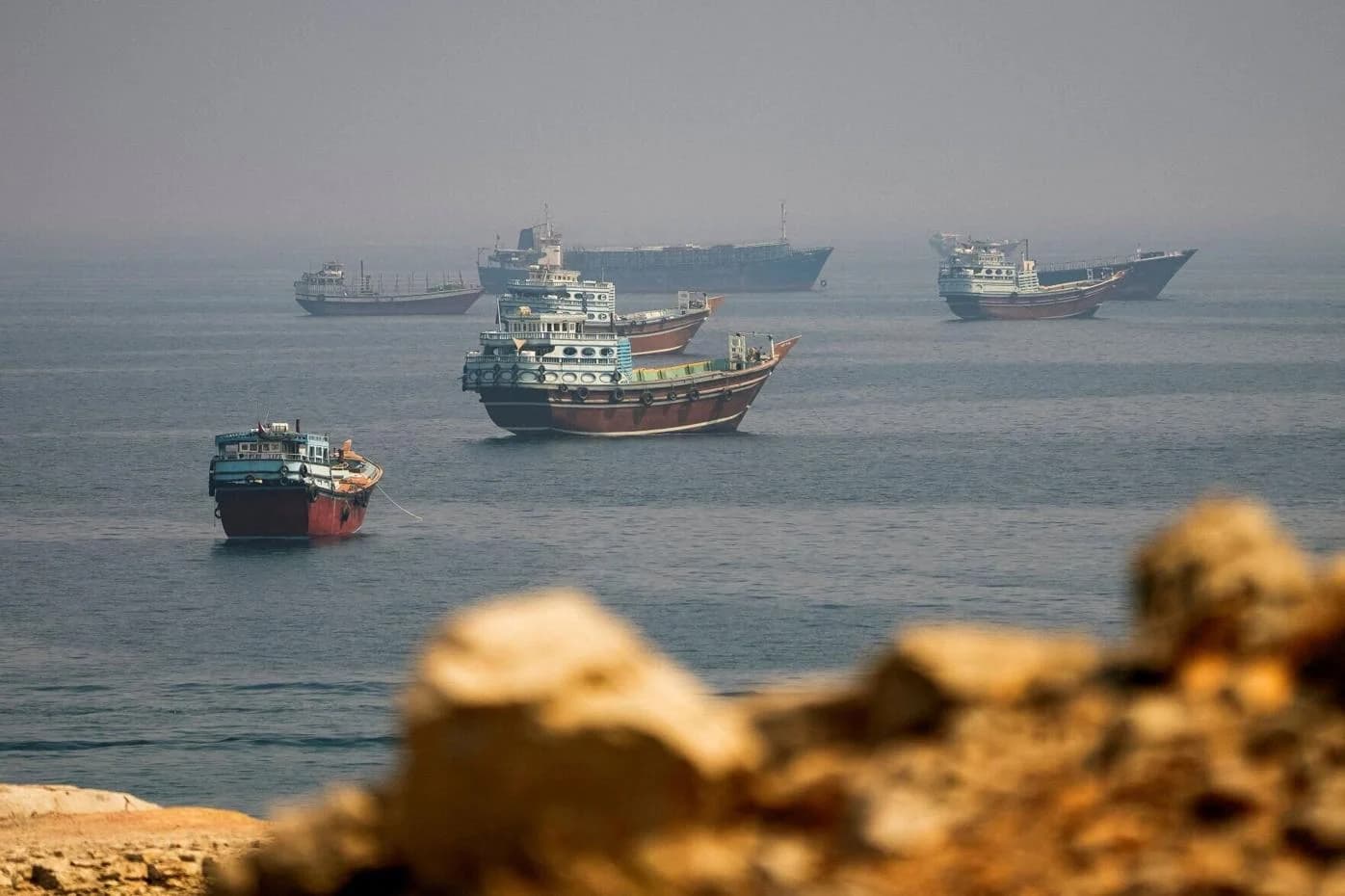
Gulf Foreign Ministers are scheduling a meeting with Iran's counterpart, facilitated by Oman, to negotiate a temporary arrangement for managing shipping through the strategic Strait of Hormuz.
Military Developments
Houthi Offensive: The Houthis launched an offensive capturing key coastal areas, including the Red Sea islands of Hanish and the city of Mocha. They reportedly received guidance from Iran's Revolutionary Guards to intensify their military operations against Saudi Arabia.
Yemeni Government Response: Yemeni forces announced plans to reclaim territories seized by the Houthis, deploying additional military assets along the coast.
Constitutional and Legal Context
International Law Concerns: The ongoing conflict raises issues regarding international humanitarian law and the implications of foreign military support and actions in conflict zones.
Economic Indicators
Oil Market Impact: The conflict's influence on oil supply and prices will have wider implications for global energy markets, particularly in regions dependent on oil imports, thus impacting international economic stability.
Broader Implications
Regional Stability: This escalation could reshape geopolitical alliances in West Asia and affect trade through vital maritime routes, highlighting the interconnectedness of security and economic well-being in the region.
Summary
The recent advances by Yemen's Houthi rebels and their geopolitical implications underscore the fragility of regional stability and the global oil market. Amidst these developments, key players are navigating complex diplomatic ties and military strategies, with potential consequences for international trade and security dynamics.
Impact on Industries:
A significant boost to labour-intensive sectors such as textiles, leather, marine products, engineering goods, and automobiles, with tariffs on nearly $33 billion of exports set to decrease to zero upon the agreement's entry into force.
Strategic Context:
The resumption of negotiations in 2022 was influenced by China's growing trade surplus and both India and the EU's intention to diversify supply chains due to reliance on China.
The EU previously imposed tariffs up to 35% on Chinese electric vehicles, reflecting a protective stance towards its markets against Chinese imports.
International Relations:
The FTA is taking place amid pressure from the US for India and the EU to reduce dependency on Chinese goods and enhance their manufacturing capabilities.
The report from the Delhi Policy Group emphasizes the vulnerability exposed during the COVID-19 pandemic regarding supply chain over-reliance on China.
Economic Indicators:
EU job support from trade: ~800,000 jobs
Annual trade volume: Euro 180 billion (~US $209 billion)
Savings from tariff reductions: Euro 4 billion annually
Tariff elimination potential: 96% of EU goods exports, and nearly $33 billion of Indian exports.
Constitutional References:
The proposals align with international trade policies as outlined in Article 253 of the Indian Constitution, allowing the government to enter into agreements with foreign nations.
Conclusion:
The India-EU FTA represents a crucial step towards enhancing trade relations, establishing a framework for future economic cooperation, and promoting resilience against external economic pressures. This agreement may redefine trade dynamics and contribute to a more balanced global economic environment.
BRICS Economic Context: The BRICS countries, including India, China, Russia, and Brazil, face economic challenges compounded by geopolitical tensions and the impact of U.S. tariffs.
International Relations:
BRICS Summit: Leaders from over 30 countries participating; reflects a broader coalition of emerging economies.
China and Russia Dynamics: Both nations are strategizing to position BRICS as counterweights against Western influence; differing perspectives complicate cohesion.
Constitutional and Policy References:
Article 51 of the Indian Constitution: Promotes the obligation to promote international peace and security, relevant to India’s strategic calculations in engaging with BRICS and maintaining regional stability.
Policies on Foreign Relations: India is actively engaging with international partners from the West for technology and investment, balancing its non-Western alliances.
Government Schemes and Initiatives:
Foreign Investment Incentives: To counterbalance the trade deficit with China, India is focusing on attracting different international investments from the UAE, Saudi Arabia, and other partners.
Science and Technology Collaboration:
Energy Security Dynamics: With the ongoing global crises, collaborations in energy supply are particularly pronounced, including partnerships with Russian energy sources.
Environmental and Strategic Issues:
Global South Solidarity: Shared concerns regarding energy prices and inflation amidst geopolitical tensions may bolster intra-BRICS collaboration.
Regional Security Concerns: Ongoing military assertiveness from China in the South China Sea and towards its neighbors impacts India’s security assessments.
Future Outlook:
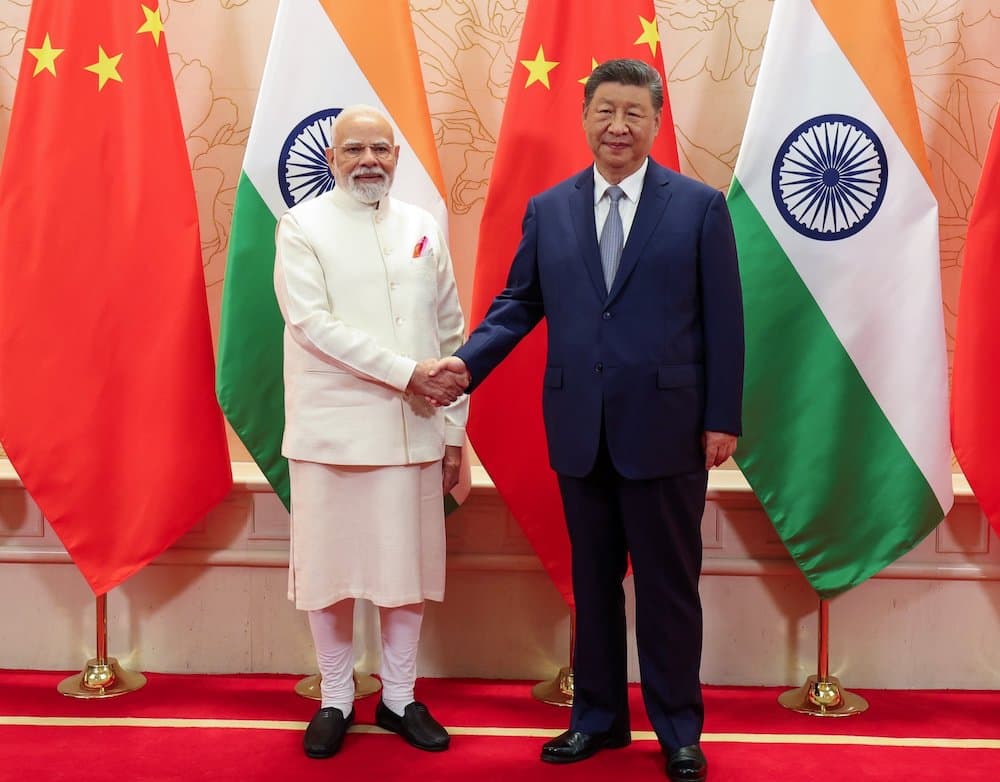
Potential for Improved Ties: Xi’s visit is a sign of thawing relations; opportunities exist for addressing mutual concerns but depend on navigating structural differences.
Internal Challenges: India seeks to ensure that its alignment with Western nations does not alienate its BRICS partners while advocating for a cooperative stance on global issues.
Conclusion:
The upcoming BRICS summit and Xi Jinping's visit hold significant implications for India-China relations, the strategic landscape in Asia, and the future efficacy of BRICS as a platform for emerging economies to collaborate on shared interests against common challenges, particularly those posed by Western nations.
Startup Ecosystem
Over 200,000 startups and 120 unicorns contributing to India's role as a hub for global solutions.
Innovations in AI, green technologies, and defense.
Technological Advancements
Unified Payments Interface (UPI):
Facilitates 50% of the world's real-time payments.
Promotes financial inclusion and digital transactions at a population scale.
International Trade and Cooperation
Free Trade Agreements:
40 agreements signed with various countries since 2014.
Focus on reducing trade barriers and enhancing business opportunities.
BRICS Initiatives:
Establishment of networks for cooperation in agriculture, health, skills, and smart grids.
Launch of the BRICS Incubator Network, BRICS MSME Portal, and BRICS Startup Innovation Fund.
Women's Empowerment
BRICS Women’s Business Alliance:
Aims to empower women entrepreneurs to lead economic growth.
Participation of approximately 200 women business leaders in the alliance meeting.
Future Directions
Trade Barriers: Proposal for the BRICS Business Council to identify and report on the top 10 trade barriers among member countries.
Support for Startups: Suggestion to support 100 BRICS startups annually in scaling to other BRICS markets.
Partnership Development: Aim to foster 1,000 new business partnerships among BRICS nations.
Conclusion
Collective Strength: Emphasis on transforming BRICS ambitions into actionable solutions for global challenges.
Call to Action: Encourage collaboration and progress review on trade and investment initiatives among member states.
This summary encapsulates the significant aspects of the BRICS Business Forum 2026 as highlighted by the Prime Minister, focusing on economic indicators, technological advancements, international cooperation, and initiatives promoting women's empowerment.
New Technological Integration:
Advanced counter-drone capabilities deployed for the first time, specifically the U.S. Army’s Mobile Low, Slow, Small Unmanned Aircraft Integrated Defeat System (MLIDS) to counter aerial threats.
Strategic Framework:
Conducted under the larger strategic framework of Operation Pathways aimed at strengthening interoperability, information sharing, and operational readiness.
Dignitaries Present:
U.S. Ambassador to India Sergio Gor.
Lieutenant General Joel “JB” Vowell, Deputy Commanding General of the U.S. Army Pacific.
Context:
Rising defense cooperation between India and the United States.
Emphasis on multi-domain operations, unmanned systems, precision fire capabilities, and high-altitude combat readiness.
This exercise reflects the increasing collaboration in defense between India and the U.S., reinforcing strategic ties through joint military training and capability enhancements to address evolving security challenges.
Distortions in Mapping: All flat maps distort at least one property (area, shape, distance, direction) due to the Earth's spheroid shape.
Implications of the Mercator Projection
Colonial Legacy: The Mercator projection is criticized for perpetuating Western-centric views, contributing to colonial narratives regarding the Global South.
Impact on Representation: It inflates the size of landmasses such as Greenland and Antarctica while diminishing the perceived scale of developing regions, including South Asia.
Alternatives and Comparisons
Other Projects: Historical attempts at better projections include:
Gall Projection (1855): introduced a new view but faced criticism.
Peters Projection (1973): maintained area accuracy but distorted shapes.
Robinson Projection (1963) and Winkel Tripel Projection (1921): aimed to reduce distortion across several properties.
Equal Earth Map (2018):
Characteristics: An equal-area projection that better represents landmass sizes, maintaining visual balance.
Usage: Advocated for thematic data representation, useful in educational settings and resource distribution analyses.
Current Trends
Shift in Usage: The World Bank is phasing out Mercator for online maps and adopting the Winkel Tripel or Equal Earth projections. Google Maps allows users to choose between the Mercator projection and 3D views, with the latter remaining the default on mobile apps.
Expert Notes
Siva Kumar Rachapudi: Emphasizes the importance of accurate area depiction in understanding population density and resource allocation across regions.
Controversy: Experts express varied opinions about the effectiveness of the Equal Earth map compared to other projections, but all agree on the need for a balanced representation in teaching and research contexts.
This resolution and the shift in mapping practices signify a broader recognition of the need for equitable visual representation of global geography, especially regarding historically marginalized regions.
 iAspirants