iAspirants
Current AffairsPrelims PYQsUPSC CSE SyllabusUPSC CSE StrategyBlogsPricing
Login
iAspirants

Your AI-powered companion for UPSC preparation.

Quick Links

  • Home
  • About Us
  • Current Affairs
  • Prelims PYQs
  • UPSC CSE Syllabus
  • UPSC CSE Strategy
  • Blogs

Company

  • Pricing
  • FAQs
  • Contact Us
  • Login

Legal

  • Privacy Policy
  • Terms & Conditions
  • Return Policy

© 2025 iAspirants, Inc. All rights reserved.

  1. Blogs
  2. Science and Technology

Biotechnology Skill Development Collaboration

Published on: 03-Sep-2026

Share this post

Biotechnology Skill Development Collaboration

Article Summary

Summary of Biotechnology Collaboration

Memorandum of Understanding (MoU):

  • Parties Involved: Federation of Asian Biotech Associations (FABA) and National Institute of Animal Biotechnology (NIAB), Hyderabad.
  • Purpose: Strengthen collaboration in biotechnology skill development.

Key Highlights:

  • FABA Finishing School Programme:
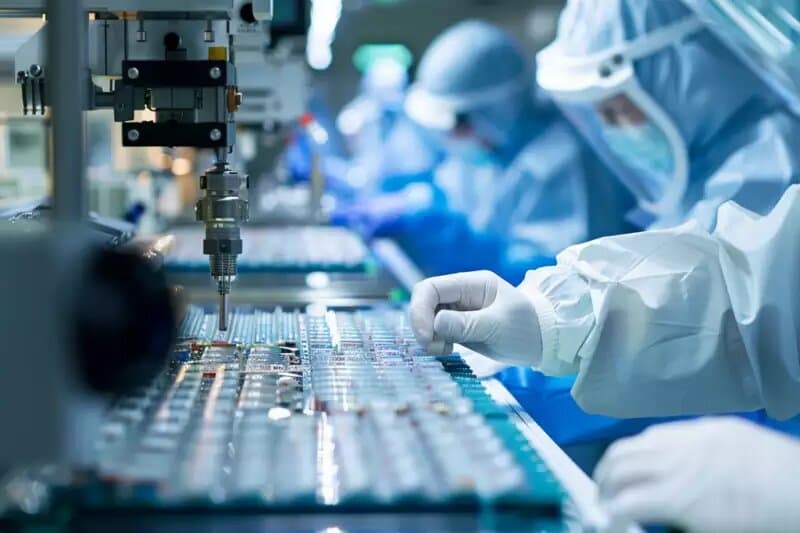
    • Focuses on providing hands-on training in microbiology, molecular biology, and cell biology.
    • Aims to bridge the gap between academic learning and industry needs.

Target Audience:

  • Graduate and postgraduate students in biology, biotechnology, life sciences, and pharmacy.

Training Objectives:

  • Enhance technical competencies, laboratory skills, and professional capabilities for careers in biotechnology and pharmaceuticals.
  • Provide practical learning experiences and exposure to contemporary workplace practices.

Duration:

  • The training programme is designed to last one month.

Industry Collaboration:

  • Financial support received from Indian Immunologicals Limited (IIL) to facilitate the programme.
  • Contribution from IIL deemed crucial for strengthening industry-driven training initiatives.

Outcome Goals:

  • Equip students with practical skills and experiences aligned with current industry requirements.
  • Promote greater engagement within the biotechnology ecosystem.

This initiative reflects the emphasis on skill development in the biotechnology sector, aligning with broader educational and economic objectives in India.

Key Terms & Concepts

Federation of Asian Biotech AssociationsCollaborator in biotech training
National Institute of Animal BiotechnologyPartner in skill development
FABA Finishing School ProgrammeBiotech training initiative
Indian Immunologicals LimitedFinancial supporter of training
microbiology, molecular biology, cell biologyFocus areas of training
graduate and postgraduate studentsTarget audience for training
biotechnology and pharmaceutical industriesIndustries requiring skilled workforce
hands-on trainingTraining methodology used
September 03, 2026Date of publication

Mind Map for UPSC Civil Services Revision

Turn UPSC Civil Services Current Affairs Into Exam-Ready Notes

Reading Science and Technology current affairs is half the work. Revise them with ready-made notes and test what actually stuck.

  • Daily UPSC Civil Services current affairs analysis
  • Revision notes, mind maps & MCQs
  • Prelims mock tests with instant results

Related UPSC Civil Services Current Affairs Articles

ISRO Launches First Imaging Satellite
Science and Technology04-Sep-2026

ISRO Launches First Imaging Satellite

Summary of ISRO's GSLV-F17 Launch

  1. Event Overview:

    • The Indian Space Research Organisation (ISRO) successfully launched the GSLV-F17 rocket, which carries the EOS-05 satellite.
    • This marks India's first imaging satellite to be placed in geosynchronous orbit.
  • Significance of the Launch:

    • The launch is celebrated as a moment of national pride and reflects India's excellence, innovation, and growing capabilities in the space sector.
    • It highlights the increasing collaboration between ISRO and the Indian industry, enhancing India's capabilities in the entire space ecosystem.
  • Economic and Technological Impact:

    • The success of this mission is expected to bolster India's position in the global space market, promoting advancements in satellite technology and applications.
    • It emphasizes the role of space technologies in various sectors such as agriculture, disaster management, urban planning, and environmental monitoring.
  • Government Support and Policies:

    • The Prime Minister's acknowledgment underscores the government's commitment to advancing space technology and innovation as part of its broader strategy to enhance the country's technological prowess.
    • This aligns with initiatives aimed at fostering public-private partnerships in the space sector.
  • Future Prospects:

    • The successful launch is expected to lead to further developments in satellite technology and applications, potentially paving the way for future missions and collaborations.
    • The growing capabilities of ISRO and Indian industry could lead to increased contributions to international space missions and research.
  • International Context:

    • India's advancements in space technology contribute to global efforts in satellite imaging and data sharing, which are crucial for addressing global challenges such as climate change and disaster response.
  • This launch represents a significant step forward for India's space ambitions and its role in the international space community.

    Defence PSUs Performance Review Meeting
    National and International Importance02-Sep-2026

    Defence PSUs Performance Review Meeting

    Defence Public Sector Undertakings (PSUs) Review Highlights

    1. Ministerial Review:

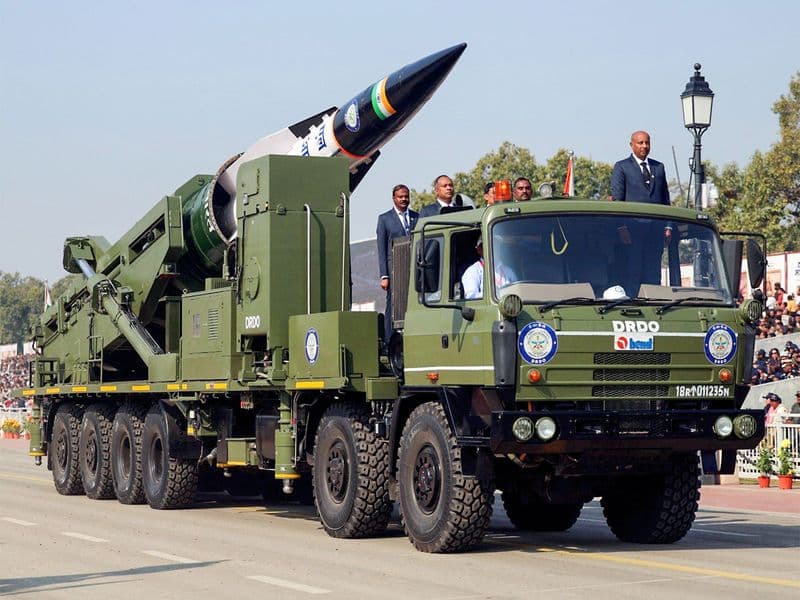
      • On September 1, 2026, Union Defence Minister Rajnath Singh conducted a performance review of all 16 defence PSUs.
      • Calls made for reducing import dependence, enhancing R&D capabilities, and ensuring the timely delivery of major projects.
    2. Performance Metrics:

      • Defence PSUs collectively contributed ₹1.29 lakh crore to India's total defence production of ₹1.8 lakh crore during 2025-26.
      • Dividend payout to the government: ₹3,951 crore presented by seven PSUs.
    3. Strategic Objectives:

      • Emphasis on developing a robust indigenous defence industrial base to support the vision of "Aatmanirbhar Bharat" (Self-Reliant India).
      • Urgency for timely delivery, reduction of import reliance, enhanced defence exports, and increased productivity through capital expenditure.
    4. Economic and Innovation Imperative:

      • Defence PSUs urged to convert R&D investments into technological leadership and improve product quality to meet international standards.
      • The importance of assured supply chains and surge production highlighted as national security necessities.
    5. Global Competitiveness:

      • Aiming for a transition where PSUs transform into globally competitive entities under the "Make in India, Make for the World" initiative.
      • Identification of niche technology areas to enhance self-reliance and global leadership potential in defence.
    6. Publications Released:

      • Four publications on themes such as self-reliance, indigenisation, innovation, and future defence capabilities have been launched.
    7. Policies and Governance:

      • Focus on supporting start-ups and micro, small, and medium enterprises (MSMEs) within the defence sector to foster innovation and growth.
      • Encouragement for establishing operational benchmarks that reflect tangible outcomes from R&D activities, such as new technology and intellectual property developments.
    8. Judicial & Constitutional Reference:

      • Not specifically mentioned, but implicitly ties to the constitutional responsibility to ensure national defense (Article 51).

    These notes encapsulate the significant outcomes and strategic direction set by the Defence Minister for PSUs, reflecting India's commitment toward enhanced self-reliance and quality improvements in its defence manufacturing sector.

    Synthetic Blood Protein Research Advances
    Science and Technology02-Sep-2026

    Synthetic Blood Protein Research Advances

    Exam-Focused Notes on Synthetic Blood Protein Research

    Key Facts and Findings:

    • Research Institution: Columbia University, New York City.
    • Lead Researcher: Dr. Sherman Beychok.
    • Focus: Creation of synthetic blood protein, specifically synthetic hemoglobin.
    • Objective: To advance potential cures for sickle-cell anemia and other blood disorders.

    Scientific Insights:

    • Hemoglobin Function: The protein that carries oxygen from the lungs to body tissues.
    • Research Breakthrough: Scientists have developed a method to disassemble and reassemble a human hemoglobin molecule, overcoming significant challenges in synthetic hemoglobin creation.
    • Comparison Study: The research allows for the duplication of sickle-cell hemoglobin to compare with synthetic healthy hemoglobin.

    Components of Hemoglobin:

    • Heme: A crucial component that contains iron, responsible for oxygen binding.
    Tata Elxsi Partners for Air Taxi
    Science and Technology02-Sep-2026

    Tata Elxsi Partners for Air Taxi

    Partnership Overview:

    • Entities Involved: Tata Elxsi (Tata Group) and Sarla Aviation (Bengaluru-based advanced air mobility company).
    • Objective: Development of an air taxi capable of carrying six passengers and a pilot.

    Memorandum of Understanding (MoU) Details:

    • Roles:
      • Tata Elxsi: Engineering expertise for avionics, flight-control systems, software integration, testing, verification, validation, and certification.
      • Sarla Aviation: Lead in overall aircraft design and development, as well as type certification.

    Technical Features of the Air Taxi - Shunya:

    • Flight Operations: Designed for operations exceeding 300 km.
    • Capabilities:
      • Vertical Take-Off and Landing (VTOL) combined with fixed-wing cruise flight efficiency.
      • Runway-independent operations enhancing propulsion efficiency.

    Additional Areas of Exploration:

  • Production: Heme can be derived easily from cow's blood, available commercially.
  • Limitations:

    • Artificial hemoglobin cannot replace whole blood transfusions or sustain a trauma patient indefinitely without additional blood transfusions or the patient's own blood replenishment.

    Presentation:

    • Findings to be presented at the American Chemical Society, highlighting the advancements in synthetic protein chains that mimic natural hemoglobin.

    Implications:

    • Medical Advancements: Potentially transformative for treatments of blood disorders, particularly sickle-cell anemia.
    • Future Research Directions: Further exploration into synthetic blood components and their applications in medical scenarios.

    Conclusion:

    This research represents a significant step towards synthetic blood products, with implications for treating blood disorders and enhancing medical care options.

    • Development of sensor-fusion-based navigation software.
    • Industrial and structural design.
    • Airworthiness testing.

    Significance:

    • Advancements in Air Mobility: This partnership represents a significant step towards the commercialization of air taxis, which could change urban transportation dynamics.
    • Technological Innovation: The integration of advanced avionics and navigation systems could enhance safety and efficiency in air travel.

    Conclusion: The collaboration between Tata Elxsi and Sarla Aviation marks an important development in air mobility technology, with a focus on creating a practical and efficient air taxi solution.