iAspirants
HomeAbout UsCurrent AffairsPrelims PYQsPricing
iAspirants
HomeAboutBlogsFAQsPricingLogin
Privacy PolicyTerms & ConditionsReturn PolicyContact Us

© 2025 iAspirants, Inc. All rights reserved.

  1. Blogs
  2. Art and Culture

Bengaluru Celebrates Freedom Habba 2026

Published on: 16-Aug-2026

Share this post

Bengaluru Celebrates Freedom Habba 2026

Article Summary

Exam-Focused Notes on Independence Day Celebration - Freedom Habba in Bengaluru

  1. Event Overview:

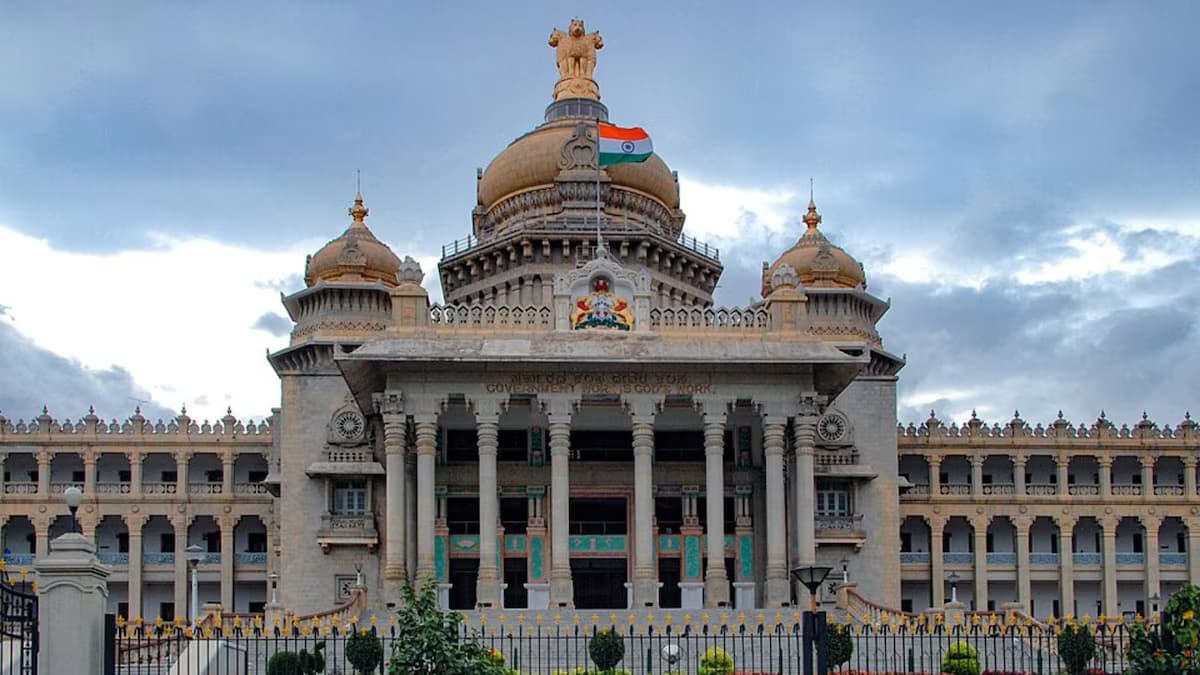
    • Freedom Habba: First-time celebration in Bengaluru organized by the Karnataka government in front of Vidhana Soudha.
    • Participating Communities: Diverse communities from various states showcased traditional art, music, and dance.
  2. Cultural Exhibitions:

    • Art Forms Displayed:
      • Karnataka: Yakshagana, Veeragaase, Hulivesha.
      • Maharashtra: Dhol Tasha.
      • Gujarat: Garba.
      • West Bengal: Dhanuchi Naach.
      • Sikh Martial Arts: Chakkar Bazi, Gatka.
    • Parade: 30 teams participated in a nearly half-kilometer parade demonstrating their cultural traditions.
    • Youth Engagement: Example of participation includes a team named Kalamilana presenting Yakshagana; their enthusiasm reflects youth engagement in cultural heritage.
  3. Historical and Educational Focus:

    • Living Museum: India’s Freedom Trail: Highlighted important historical events such as Salt Satyagraha and the Quit India Movement.
    • District-Themed Pavilions: Emphasized contributions of local heroes like Sangolli Rayanna and Rani Chennamma to India’s independence.
    • Constitution Square: Interactive zone to educate visitors about the Constitution of India.
  4. Visitor Experience:

    • Enrichment through guided tours of Vidhana Soudha providing insights into its architecture and significance.
    • Activities included children's games and cultural engagement zones for broader public involvement.
  5. Logistical Challenges:

    • Confusion for park visitors due to restricted metro and park exits coinciding with the event; significant police presence managed crowd and ensured safety.
    • Namma Metro services suspended temporarily around event locations (Cubbon Park, Vidhana Soudha) with resumption planned post-event conclusion.
  6. Government Schemes and Policies:

    • This event aligns with initiatives to promote cultural heritage and community participation in India’s democratic processes.
  7. Community Engagement and Civic Responsibility:

    • The initiative reflects a push towards fostering unity in diversity and encouraging citizen-led celebrations of national importance.
    • Engagement of local artists and youth teams highlights efforts to preserve and promote indigenous art forms.
  8. Constitutional References:

    • The event underscores the significance of the Indian Constitution, especially in promoting cultural rights and citizen participation in governance and cultural preservation.

Conclusion:

Freedom Habba in Bengaluru serves as a model for integrating cultural heritage with civic engagement, promoting unity and education regarding India's independence and constitutional values. The responsible management and logistical operations signify a growing recognition of the importance of citizen involvement in national celebrations.

Key Terms & Concepts

Freedom HabbaCitizen-led festival
Vidhana SoudhaVenue for celebrations
YakshaganaTraditional dance form
Puje KunithaAcrobatic dance performance
India’s Freedom TrailExplores freedom struggle
Salt SatyagrahaHistorical movement display
Quit India MovementHistorical movement display
Sangolli RayannaFreedom struggle contributor
Rani ChennammaFreedom struggle contributor

Mind Map for UPSC Civil Services Revision

Turn UPSC Civil Services Current Affairs Into Exam-Ready Notes

Reading Art and Culture current affairs is half the work. Revise them with ready-made notes and test what actually stuck.

  • Daily UPSC Civil Services current affairs analysis
  • Revision notes, mind maps & MCQs
  • Prelims mock tests with instant results

Related UPSC Civil Services Current Affairs Articles

Nihang Singhs: Tradition and Identity
Art and Culture16-Aug-2026

Nihang Singhs: Tradition and Identity

Overview of Nihang Singhs

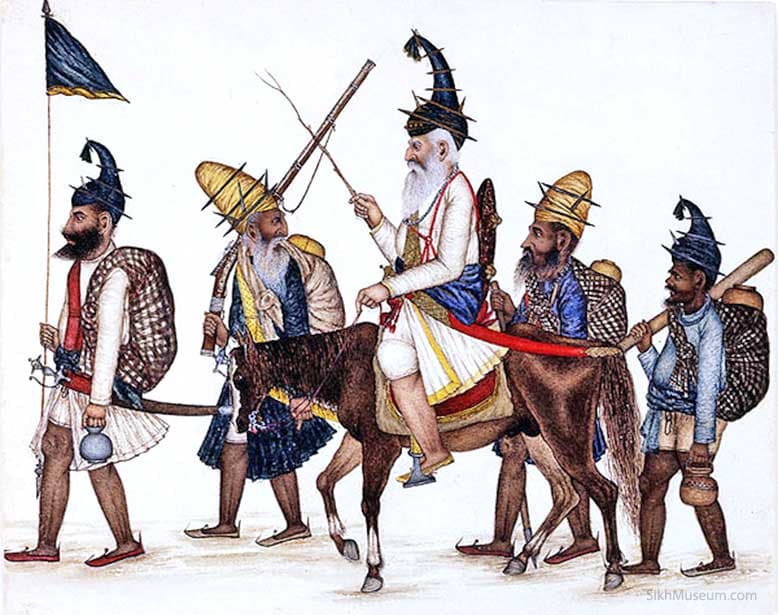
  • Cultural Identity: Nihang Singhs are a Sikh community known for their distinctive attire, including electric-blue robes and conical turbans, symbolizing their martial and religious heritage.

  • Historical Background: The Nihangs originated with the establishment of the Khalsa Panth by Guru Gobind Singh in 1699, representing the armed warrior tradition of Sikhism, historically tasked with defending Sikh communities against persecutions.

  • Martial Tradition: They traditionally engaged in military defense against Mughal and Afghan forces, later integrated into the military structure of Sikh misls and Maharaja Ranjit Singh's forces.

  • Recent Events

    • Attack Incident: On August 13, 2026, Sukhbir Singh Badal, president of Shiromani Akali Dal, was attacked with a kirpan by Jaspal Singh, a 62-year-old Nihang, at a Gurdwara in Nanded, Maharashtra. Badal required surgery for his injuries.

    • Public Presence: Nihangs gained attention during the farmers' protests in 2020-21 and more recently during student protests in Delhi in July 2026.

    Structure and Factions

    • Decentralized Organization: The Nihang community lacks a centralized authority, historically divided into factions known as dals (Baba Budha Dal and Taruna Dal), with over 30 factions reported in Punjab.

    • Mobility and Tradition: The chalda vaheer (travelling bands) maintain a connection to significant Sikh sites through an annual circuit that includes Muktsar, Anandpur Sahib, and others.

    Cultural Practices

    • Hola Mohalla: The martial identity of the Nihangs is prominently displayed during the Hola Mohalla festival at Anandpur Sahib, featuring demonstrations of Gatka (Sikh martial art) and mock battles.

    • Core Principles: The concepts of Chardi Kala (resilient state of mind) and the balance of bani (wisdom) and bana (attire) emphasize the need for spiritual practice alongside martial training.

    Modern Context

    • Daily Life: Nihangs may lead disciplined religious lives or maintain families while adhering to community obligations. Their lifestyle combines religious practices with agricultural and educational responsibilities.

    • Economic Support: Their institutions are sustained through offerings from devotees and management of religious resources, including gurdwaras and educational camps.

    • Contemporary Relevance: The recent attack in Nanded has renewed scrutiny of the Nihang community, highlighting the complexities of their identity as both a living religious order and a historical warrior class.

    Conclusion

    The Nihang Singhs represent a unique blend of spirituality and martial tradition within Sikhism. Their historical roots, decentralized structure, and contemporary challenges reflect the community's resilience and ongoing evolution in modern society. The dual identity of being custodians of a rich heritage while engaging in current socio-political contexts underscores the need for nuanced understanding of their role today.

    Chennimalai Weavers Workshop Announcement
    Art and Culture15-Aug-2026

    Chennimalai Weavers Workshop Announcement

    Summary of Chennimalai Handloom Activities and Initiatives

    1. Weaving Tradition:

      • The weavers of Chennimalai have a longstanding tradition of handloom fabric crafting, passed down through generations.
    2. Workshops and Education:

      • Founder: C. Sivagurunathan founded the Nurpu Handloom Collective in 2016 after leaving a career in IT.
      • Upcoming Event: A two-day workshop titled "Exploring Handspin & Handloom Techniques" is scheduled for August 22-23, 2026, from 10 am to 5 pm.
      • Participants will learn the entire lifecycle of fabric production, from spinning cotton on a wooden charkha (takali) to weaving on handlooms.
      • Attendees will create their own fabric pieces to take home and have the option to purchase a takali for ₹400.
    3. Educational Focus:

      • Previous participants of workshops have included students from fashion design programs, school students, and architects from cities such as Coimbatore, Chennai, and Bengaluru.
      • Discussion sessions will address the lives and working conditions of weavers, promoting awareness of direct purchases from weavers versus commercial clothing brands.
      • Evening documentary screenings will further enrich discussions.
    4. Additional Programs:

      • Nurpu offers a seven-day intensive session for deeper learning, including visits to the homes of weavers for first-hand experience.
      • Internship programs lasting six months are available, designed to engage participants with the weaving community.
    5. Social Impact:

      • Sivagurunathan emphasizes the importance of providing visibility to weavers and their craft. He advocates for direct consumer support for handmade products.
    6. Economic Aspects:

      • The initiative aims to improve the livelihoods of the 20 weavers in the collective while fostering an appreciation for handloom textiles.
    7. Sustainability and Craft Revival:

      • The workshops aim to rejuvenate interest in traditional handloom techniques and promote sustainable practices in fashion.
    8. Registration Information:

      • Interested individuals can register for the workshop through the Nurpu website or by phone.

    This workshop and the activities of the Nurpu Handloom Collective reflect a blend of cultural heritage, education, and sustainable economic practices, aiming to preserve and enhance traditional weaving crafts in Chennimalai.

    Eminent Historian Sumit Sarkar Passes Away
    Art and Culture14-Aug-2026

    Eminent Historian Sumit Sarkar Passes Away

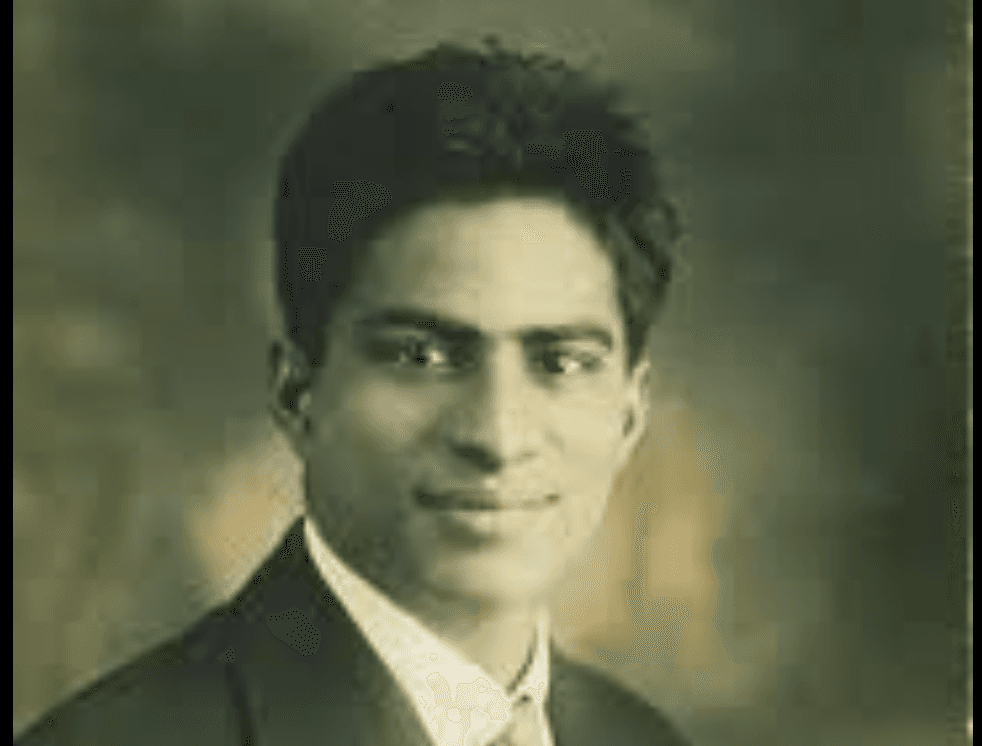
    • Individual Profile: Sumit Sarkar, a prominent Marxist historian, passed away at the age of 87 in New Delhi. He was a notable scholar of modern Indian history and had a significant teaching career at the University of Delhi and abroad.

    • Academic Contributions:

      • Authored key works including:
        • "Swadeshi Movement in Bengal, 1903-1908" (1973)
        • "Modern India" (1989)
        • "Writing Social History" (1998)
      • Co-edited influential texts such as "Women and Social Reform in Modern India" (2007) and "Caste in Modern India" (2013).
    • Education:

      • Completed BA (Honours) in History at Presidency College, Kolkata.
      • Obtained Master’s and Ph.D. from the University of Calcutta.
    • Recognition:

      • Remembered as a “doyen of historians” and praised for his engaging teaching style and ability to convey complex ideas succinctly.
      • Described as a rare Marxist historian who explored culture and emotions, in addition to economic perspectives.
    • Impact on Students and Colleagues:

      • Students and colleagues recalled him as an inspiring educator who fostered intellectual growth and engagement.
      • His death is seen as a significant loss to the academic community and history students.
    • Legacy: His extensive research and writings have contributed to a deeper understanding of 19th and 20th-century Bengal and Indian history.