iAspirants
Current AffairsPrelims PYQsUPSC CSE SyllabusUPSC CSE StrategyBlogsPricing
Login
iAspirants

Your AI-powered companion for UPSC preparation.

Quick Links

  • Home
  • About Us
  • Current Affairs
  • Prelims PYQs
  • UPSC CSE Syllabus
  • UPSC CSE Strategy
  • Blogs

Company

  • Pricing
  • FAQs
  • Contact Us
  • Login

Legal

  • Privacy Policy
  • Terms & Conditions
  • Return Policy

© 2025 iAspirants, Inc. All rights reserved.

  1. Blogs
  2. History

Battle of Haifa: A Historical Perspective

Published on: 23-Sep-2026

Source: The Hindu

Share this post

Battle of Haifa: A Historical Perspective

Article Summary

Facts and Historical Context

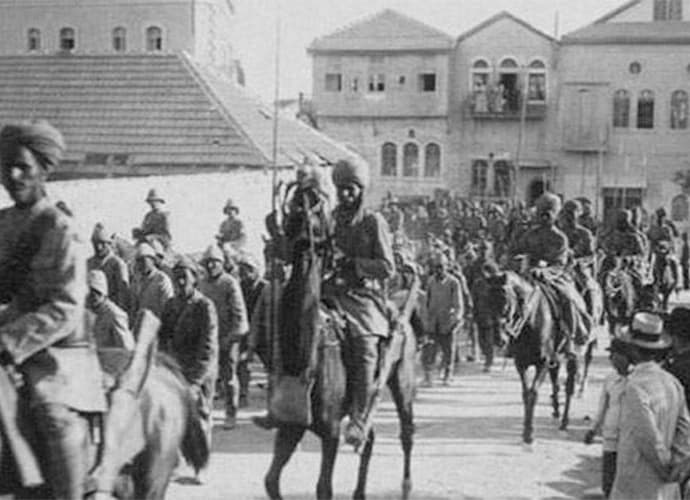
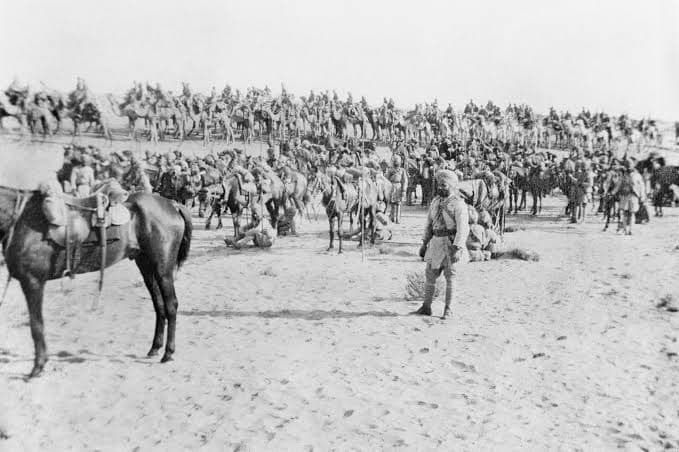
  • Battle of Haifa (September 23, 1918): A military cavalry action during WWI involving Indian soldiers from the Jodhpur, Mysore, and Hyderabad Lancers under British command.
  • Indian Contribution: Over 1 million Indians served in WWI; approximately 74,000 Indian soldiers died during the conflict.
  • Military Significance: The charge was pivotal in securing Haifa, enabling the Allied forces to advance towards Damascus, and represented one of the last large cavalry charges in military history.

Commemorations and Memory

  • Teen Murti Haifa Chowk: Renaming of a WWI memorial in India symbolizes recognition of Indian bravery and contribution to world events prior to India's independence.
  • India-Israel Diplomatic Ties: Haifa has become a symbol of friendship, with annual commemorations reflecting this strategic partnership.
  • Contested Narratives: The commemoration of the battle involves complex historical interpretations, with differing views on the significance and ownership of the narrative between India, Israel, and Palestine.

Political and Ethical Complexities

  • Balfour Declaration: The Indian cavalry's involvement supported British control which facilitated the execution of the Balfour Declaration and ultimately contributed to the creation of Israel.
  • Palestinian Perspective: For Palestinians, the battle is viewed as part of a longer narrative of foreign domination resulting in dispossession, leading to a mixed reception of Indian soldiers' involvement.
  • Moral Ambiguity: The bravery of Indian soldiers is acknowledged; however, it is contrasted against the imperial context in which they served, leading to discomfort among some Indians about celebrating their role in a colonial project.

Diplomatic and Domestic Reactions

  • Indian Response: There is a sense of pride in the soldiers' courage but discomfort with the imperial implications of their service. Historiography reflects ongoing debates about how to remember their actions appropriately.
  • Palestinian Sensitivity: The Palestinian Ambassador to India emphasizes the implications of remembering Haifa within the context of ongoing struggles for Palestinian identity and rights.

Broader Implications

  • The Battle of Haifa serves as a reminder of the complexities inherent in colonial history, where acts of bravery can lead to consequences that are morally disputable and affect contemporary political relationships.
  • Historiographical Disputes: Historians from different communities contest the narratives around Haifa, highlighting varying interpretations and the quest for national identity.

Conclusion

  • The commemoration of the Battle of Haifa encapsulates layered historical meanings, representing both Indian valor and the imperial repercussions that contributed to modern geopolitical dynamics. Emphasizes the need for a nuanced understanding of historical events that interweave courage with the realities of colonialism, legacy, and contemporary international relations.

Key Terms & Concepts

September 23, 1918Date of the battle
Jodhpur, Mysore, and Hyderabad LancersIndian cavalry units involved
Allied advance northwards to DamascusObjective of the battle
Balfour DeclarationPolitical statement influencing Palestine
Teen Murti Haifa ChowkCommemorative site in India
more than a million Indian soldiersNumber of Indian soldiers served
74,000 Indian soldiers diedCasualties in the war
15th Imperial Service Cavalry BrigadeKey military unit in battle
Indian-Israel friendshipDiplomatic significance
Palestinian critiqueOpposition perspective
naqbaPalestinian term for catastrophe
colonial commandContext of Indian soldiers' service

Mind Map for UPSC Civil Services Revision

Turn UPSC Civil Services Current Affairs Into Exam-Ready Notes

Reading History current affairs is half the work. Revise them with ready-made notes and test what actually stuck.

  • Daily UPSC Civil Services current affairs analysis
  • Revision notes, mind maps & MCQs
  • Prelims mock tests with instant results

Related UPSC Civil Services Current Affairs Articles

India-EU FTA Signing Scheduled December 2026
International Relations24-Sep-2026

India-EU FTA Signing Scheduled December 2026

Summary of India-EU Free Trade Agreement (FTA)

  1. Agreement Details:

    • Signing Date: Scheduled for December 16, 2026.
    • Location: Brussels, in the presence of Indian Prime Minister Narendra Modi.
  • European Parliamentary Process: Post-signing, the deal will undergo passage in the European Parliament, expected to take 1-2 months, facilitating a roll-out in early 2027.
  • Negotiation History:

    • Negotiations resumed in June 2022 after a hiatus, concluding in January 2026.
    • The deal received “majority approval” in Europe, eliminating the need for individual ratification by EU member states, which streamlines the process.
  • Context:

    • The FTA is referred to as the “mother of all deals” by leaders from both regions and aims to bolster economic ties without addressing contentious issues, thus maintaining a pragmatic approach.
  • Related International Meetings:

    • Modi will first visit Canada around December 12 for trade negotiations, prior to attending the G20 Summit in Miami, hosted by the U.S.
    • Canadian Prime Minister Mark Carney emphasized the importance of the India-Canada relationship and the goal of concluding negotiations by mid-December.
  • India-U.S. Relations:

    • Discussions at the G20 will include the Interim Agreement on trade and a Bilateral Trade Agreement (BTA), both of which have missed deadlines.
    • A joint statement in February 2026 established goals for these agreements, amidst tensions from new U.S. tariffs on Indian imports of Russian crude oil and natural gas.
  • Economic Significance:

    • The FTA with the EU is critical for enhancing India’s trade relations and economic position globally.
    • It follows significant economic frameworks and discussions regarding bilateral trade and tariff impositions between India and the U.S., indicating a complex international trade environment.
  • Additional Information:

    • Commerce Secretary Rajesh Agrawal confirmed the targeted timelines for the FTA with Canada and the U.S.
    • Ongoing negotiations signify India’s strategic diplomacy to strengthen trade partnerships amidst global economic challenges.
  • This agreement is pivotal for India’s trade policy and strategic alignments in international markets, entailing significant economic implications and geopolitical dynamics.

    Deterioration of Basra War Memorial
    National and International Importance23-Sep-2026

    Deterioration of Basra War Memorial

    Exam-focused Notes on Basra War Memorial and the Mysore Lancers

    Historical Context

    • Basra War Memorial: Built to honor 40,500 Commonwealth service personnel who died during the Mesopotamian Campaign (WWI: 1914–1921), including a significant number of Indian soldiers.
    • Mysore Imperial Lancers: Key participants in World War I, noted for their role in battle strategies, including the Liberation of Haifa on September 23, 1918.

    Recent Developments

    • Tombstone Destruction: Recent reports indicate the destruction of at least 3,000 tombstones at the Basra War Memorial.
    • Families of deceased soldiers are actively seeking public assistance to document the destruction and preserve the memory of the fallen.

    Contributions of the Mysore Lancers

    • The Lancers were originally part of the Indian Expeditionary Force, tasked with guarding the Suez Canal from 1915-1917, and later engaged in conflicts against Ottoman and German forces.
    • Their notable actions in trying conditions, lacking modern weaponry, highlight the courage displayed during the capture of positions held by the enemy.

    Key Battles and Rescues

    • Liberation of Haifa: Significant for overcoming Ottoman defenses with sheer bravery and rudimentary weaponry, with the Lancers playing a critical role.
    • Rescue of Abdu’l-Baha: The Indian forces, including the Mysore Lancers, were involved in the successful rescue operation of Abdu’l-Baha, a prominent religious figure.

    Research and Historical Documentation

    • Book by Anil Raje Urs: "Mysore Lancers - Valour in the World War I" provides insights from palace records into the journey of the Mysore Lancers and traces several families connected to the war.
    • A total of 15 families linked to the Mysore Lancers have been identified, with ongoing efforts to uncover more names and accounts.

    Commemoration and Recognition Issues

    • The Commonwealth War Graves Commission has acknowledged inaccuracies in memorial records relating to Indian soldiers. Efforts are ongoing to compile an accurate list of the names of those commemorated, as reflected in the CWGC’s Iraq Roll of Honour.

    Constitutional and Legal Context

    • While there are no direct constitutional references in this summary, the historical significance and commemorative aspects reflect India's legacy and its role in global conflicts, which can be further related to the principles of recognition and respect for sacrifices made by soldiers as espoused in national narratives.

    Summary

    The Basra War Memorial and the sacrifices of the Mysore Lancers highlight the important yet often overlooked contributions of Indian soldiers in WWI. Given the new findings on the destruction of their memorials, continued advocacy for historical accuracy and remembrance is essential to honor their legacy and ensure that their contributions are not forgotten.

    Upcoming Mamankam Festival Details
    Art and Culture23-Sep-2026

    Upcoming Mamankam Festival Details

    Azhvanchery Mana and Mamankam Memorial Festival Overview

    Event Details:

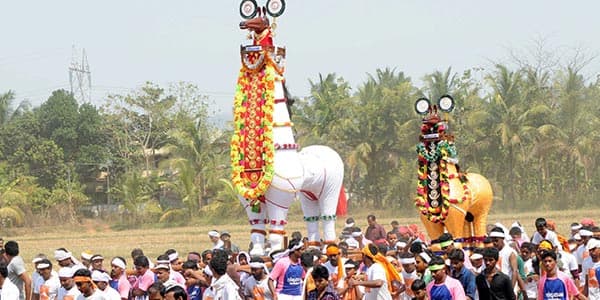
    • The 33rd Mamankam Memorial Festival is scheduled from January 22 to 24, 2027, at Tirunavaya.
    • Organized by Re-Echo, a cultural organization, with Azhvanchery Thamprakkal as chief patron.
    • Purpose: To educate younger generations about the history of Mamankam and promote the cultural heritage of Tirunavaya.

    Cultural Significance:

    • The festival has been celebrated since 1994 to preserve the legacy of Mamankam, which was traditionally held every 12 years.
    • It features various cultural programs including:
      • Historical re-enactments
      • Angavaal procession
      • History seminars
      • Communal harmony meetings
      • Memorial journey and lighting of the Mamankam memorial lamp
      • Kalaripayattu demonstrations
      • Book releases
    Assam's Cultural Heritage Showcased 2026
    Art and Culture22-Sep-2026

    Assam's Cultural Heritage Showcased 2026

    Exam-Focused Notes on PM Memento E-Auction 2026 and Assam's Cultural Heritage

    Overview

    • Event: PM Memento E-Auction 2026
    • Purpose: To showcase Assam’s cultural heritage and traditional craftsmanship through various artifacts.

    Cultural Heritage of Assam

    • Key Artifacts:
      • Handloom products, bamboo and cane crafts, brass items, and heritage artifacts reflecting Assam's unique cultural traditions.
      • Significant historical figures represented include:
        • Bhir Chilarai
        • Gopinath Bordoloi (Bharat Ratna awardee)
        • Chao Lung Sukafa
        • Srimanta Sankardeva
      • Presentation of the 1894 Patharughat War, an important chapter in Assam's history.

    E-Auction Details

    • Total Items: 1,498 mementos showcased.
    • Objective: Provides an opportunity for citizens, collectors, institutions, and art lovers to acquire mementos presented to the Prime Minister.
    • Exhibition: Held at the National Gallery of Modern Art (NGMA) in New Delhi, allowing visitors to appreciate the artistic and cultural significance of the items.
    • Organizing Ministry: Ministry of Culture.

    Fund Utilization

    • Proceeds from the auction are donated to the Namami Gange Programme, a national mission aimed at the conservation and rejuvenation of the Ganga River.

    Featured Assam Crafts

    1. Muga Silk Artwork: Depicts Queen Sati Sadhani of the Chutia Kingdom, created using organic colors and gold foil on Muga silk.
    2. Bamboo and Cane Wall Clock: Handmade clock showcasing sustainable craftsmanship.
    3. Eco-Craft Gift Box: Includes handmade slippers, baskets, hats, and a painting, illustrating the transformation of water hyacinth into sustainable products.
    4. Traditional Assamese Japi: Decorated with vibrant patterns, symbolizing hospitality and respect.
    5. Assamese Gamusa: Features traditional designs showcasing the state's handloom heritage.
    6. Brass Khoria: Traditional symbol of hospitality and respect in Assamese culture.
    7. Replica of Kamakhya Temple: Wooden model reflecting traditional architectural styles.

    Significance

    • The e-auction highlights the Intangible Cultural Heritage of Assam, emphasizing the skills, traditions, and cultural practices passed down through generations.
    • Celebrates Assam's contribution to India's rich cultural tapestry and promotes awareness of its historical and artistic legacy.

    Conclusion

    The PM Memento E-Auction 2026 serves as a significant platform to celebrate and preserve Assam's cultural heritage while supporting national initiatives like the Namami Gange Programme.

    New Plant Checklist in Agasthyamalai
    Biodiversity22-Sep-2026

    New Plant Checklist in Agasthyamalai

    Summary of Key Facts and Findings on Agasthyamalai Biosphere Reserve (ABR)

    Biodiversity Data:

    • Species Composition:
      • Total documented species: 3,261
      • Sub-species: 26
      • Varieties: 28
      • Genera: 1,139
      • Families: 190
    • Endemism:
      • Total endemic taxa: 1,018 (31.2% of species)
      • Steno-endemic taxa (specialized habitats): 245

    Floral Wealth:

    • Dominant Families:
      • Fabaceae: 349 taxa
      • Rubiaceae: 194 taxa
      • Poaceae: 193 taxa
      • Orchidaceae: 168 taxa
    • Biogeographic Affinity:
      • Shared taxa with Sri Lanka: 347
    Prime Minister Celebrates World Rhino Day
    Environment and Ecology22-Sep-2026

    Prime Minister Celebrates World Rhino Day

    Summary of Key Facts and Initiatives on World Rhino Day

    Conservation Efforts

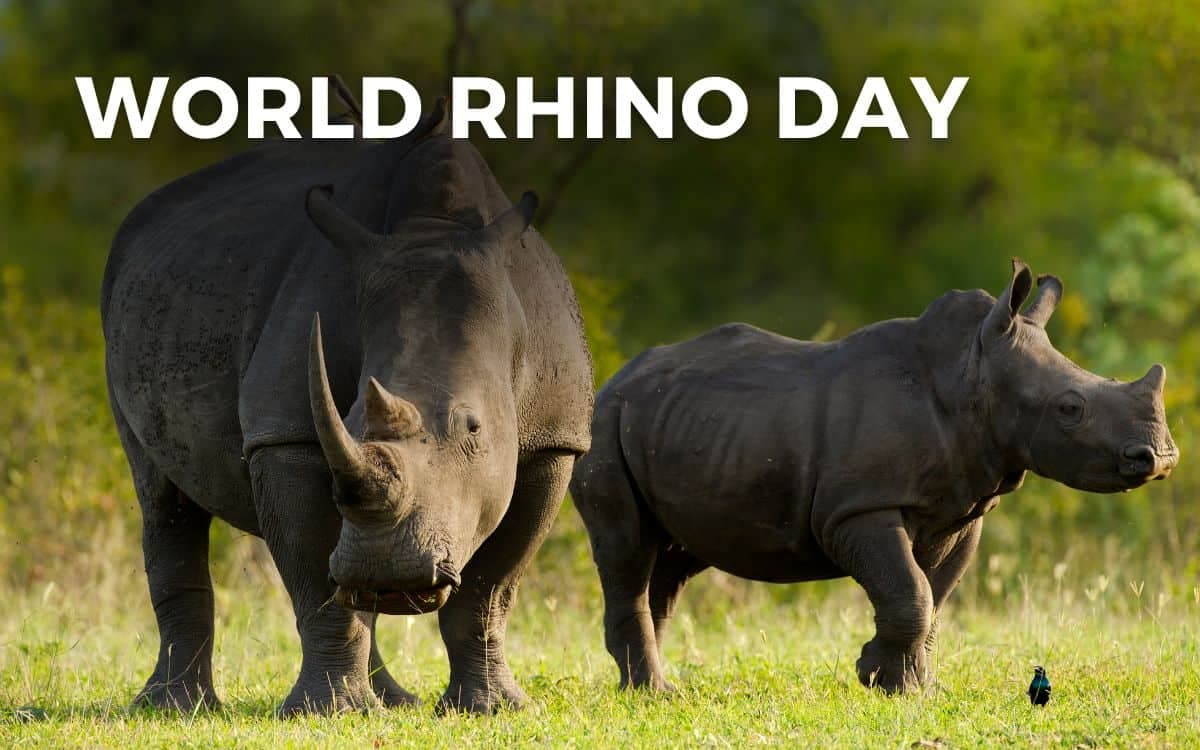
    • World Rhino Day: Celebrated to raise awareness about the protection of rhinos.
    • Prime Minister's Statement: Emphasized the crucial role of various stakeholders in rhino conservation.

    Statistics

    • Rhino Population in Assam: Approximately 80% of the world's greater one-horned rhino population is found in Assam.
    • Kaziranga National Park: Recognized for its significant efforts in combating rhino poaching.

    Regional Developments

    • Bihar and West Bengal: Reports indicate that rhinos are either returning or being well-preserved in certain areas.
    • Dudhwa National Park (Uttar Pradesh): Successful history of rhino rehabilitation noted.

    Project Rhino

    • Launch of Project Rhino: Initiated to enhance species conservation efforts across India.

    Historical Context:

    • Azhvanchery Mana is significant in Kerala’s religious and cultural history; traditionally led by the Azhvanchery Thamprakkal, a senior member of the Namboodiri caste, noted for expertise in Vedic rituals.
    • The Mamankam festival historically involved local rulers, including the Zamorin, and is linked to religious customs in Kerala.

    Organizers and Leadership:

    • The announcement was made in a traditional manner at Azhvanchery Mana, presided over by Re-Echo president Poovathingal Rasheed.
    • Keynote address by Ullattil Ravindran, with festival calendar handed over by guru K.V. Unnikurup.

    Cultural Heritage Protection Efforts:

    • Re-Echo has been active in advocating for the protection of Mamankam monuments, seeking their takeover by the State government.
    • The festival aims to engage public participation to preserve Mamankam’s memory through various cultural initiatives.

    Regional Importance:

    • Tirunavaya and Azhvanchery Mana hold historical relevance in Kerala, embodying the unique blend of tradition, culture, and history that the Mamankam festival seeks to honor and promote.

    Conclusion: The Mamankam Memorial Festival represents a significant cultural commitment to reviving and preserving the traditions of Kerala, reflecting the state's rich history and cultural narratives through interactive and educational festivities.

  • Taxa displaying affinity with tropical American flora: 102
  • Importance of the ABR:

    • Recognized as a significant center of angiosperm diversity and endemism in the Indian subcontinent.
    • The area has high levels of species richness and is ecologically fragile, requiring targeted conservation strategies.

    Ecological Context:

    • Geographic Location: Spread across Keralam and Tamil Nadu, part of the Western Ghats.
    • Conservation Threats: Facing challenges from habitat fragmentation, climate change, biological invasions, and ecological degradation.

    Research Context:

    • The work by Jawaharlal Nehru Tropical Botanic Garden and Research Institute (JNTBGRI) addresses inconsistencies in previous documentation related to taxonomy and distributions.
    • Recommendations for conservation initiatives include:
      • Ecological restoration
      • Ex situ conservation
      • Long-term surveillance
      • Community-based initiatives

    Future Research Directions:

    • Suggested blending classical taxonomy with modern genetic studies such as:
      • Molecular phylogenetics
      • Phylogenomics
      • Population genetics
      • Ecological niche modelling
    • Aim to enhance understanding of evolutionary history, diversification, and climate vulnerability of endemic lineages.

    Significance:

    • The checklist serves as an essential resource for reaffirming the global significance of the Western Ghats' biodiversity and establishes a baseline for conservation strategies in response to anthropogenic challenges.

    This documentation plays a critical role in guiding future research and conservation efforts in biodiversity hotspots like the ABR, contributing to global efforts in environmental preservation.

  • Objectives:
    • Financial and technical support for states involved in rhino conservation.
    • Focus on habitat management, genetic improvement, and understanding population dynamics.
  • Government Commitment

    • The initiative reflects the ongoing commitment of the Indian government to wildlife management and species preservation in bordering states.

    Conclusion

    The Prime Minister's remarks and the launch of Project Rhino signify a robust governmental approach towards the conservation of the one-horned rhinoceros, showcasing collaborative efforts and a targeted strategy to ensure the survival of this species in India.