iAspirants
Ancient Fossils Reveal Biodiversity Secrets
Published on:
Share this post

Article Summary
Summary of the Discovery of Fossil Leaves in Assam
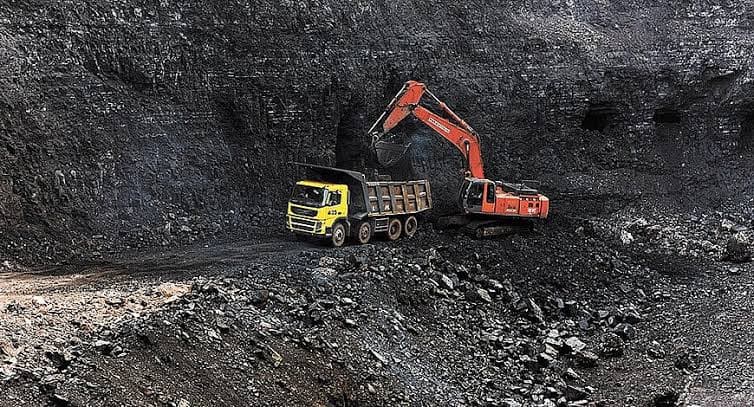
Recent paleobotanical research led by the Birbal Sahni Institute of Palaeosciences (BSIP) in Lucknow, India, has unveiled significant findings in the Makum Coalfield of Assam. The discovery revolves around fossilized leaves dating back approximately 24 to 23 million years to the late Oligocene epoch, which provides fresh insights into the region's biodiversity and ecological history.
Key points from the study are as follows:
Fossil Discovery: Scientists identified fossil leaves in the Makum Coalfield, which bear similarity to modern species found in the Nothopegia genus, located in the Western Ghats— a UNESCO World Heritage Site known for its rich biodiversity.
Significance of Findings: These fossilized leaves represent the oldest known fossil record of the Nothopegia genus globally and indicate that this plant once thrived in Northeast India, long before it became extinct from the region.
Methodology: The analysis utilized morphological characteristics, herbarium comparisons, and cluster analysis for identification. Advanced techniques, such as the Climate Leaf Analysis Multivariate Program (CLAMP), helped reconstruct the climatic conditions of the late Oligocene, suggesting a warm and humid environment in Northeast India similar to the current climate in the Western Ghats.
Environmental Changes: The research outlined drastic geological changes over millions of years, particularly the uplift of the Himalayas due to tectonic activity. This resulted in altered temperature, rainfall patterns, and winds that eventually rendered the northeastern landscape inhospitable for tropical flora like Nothopegia, leading to its extinction in that region.
Survival in the Western Ghats: Despite its disappearance from Northeast India, the Nothopegia species survived and became endemic to the Western Ghats, showcasing its resilience to past climatic changes.
Implications of Findings: The study indicates that extinction and migration due to climate change are historical phenomena. The authors emphasize the importance of understanding these processes in predicting modern plant responses to rapid climate change driven by human activities.
Biodiversity Conservation: The research underscores the need to protect biodiversity hotspots like the Western Ghats, as these regions serve as crucial refuges for ancient plant lineages amid contemporary climatic challenges.
Future Applications: This paleobotanical investigation offers perspectives on how ecosystems evolve and adapt, providing critical insights for conserving India's biodiversity under ongoing climatic stress.
This study highlights the significance of historical ecological research in understanding contemporary biodiversity challenges and stresses the vital role that preservation of natural habitats plays in sustaining ecological heritage.
In conclusion, the fossil discoveries in Assam not only paint a clearer picture of India's geological and botanical past but also serve as a warning and guide for future conservation efforts in an era of unprecedented environmental change.
Bullet Points:
- Fossil leaves discovered in Makum Coalfield, Assam, dated back 24-23 million years.
- Represents the world’s oldest fossil record of the Nothopegia genus.
- Methodology included morphological analysis and the Climate Leaf Analysis Multivariate Program (CLAMP).
- Northeast India had a humid climate in the late Oligocene, unlike today.
- Geological changes from Himalayan uplift led to the extinction of Nothopegia in Northeast India.
- Nothopegia survived in the Western Ghats, indicating resilience in stable environments.
- Highlights historical extinction and migration patterns linked to climate change.
- Findings stress the importance of conserving biodiversity hotspots like the Western Ghats.
- Offers insights into ecological evolution and future plant responses to climate change.
Key Terms & Concepts
| Makum Coalfield | Location of fossil discovery |
| Nothopegia | Ancient plant genus studied |
| Western Ghats | Current habitat of Nothopegia |
| Birbal Sahni Institute of Palaeosciences | Research institute involved |
| Department of Science and Technology | Government department overseeing research |
| Review of Palaeobotany and Palynology | Publication of research findings |
| Climate Leaf Analysis Multivariate Program | Tool for climate analysis |
| Himalayas | Mountain range affecting climate |