iAspirants
AI System Repels Wildlife Conflicts
Published on:
Share this post
Article Summary
AI-Driven Wildlife Management in Kerala
Technology Overview:
- Deployment of an AI-driven digital sentry system named 'Farmguard' in six high-risk forest zones in Kerala.
- Initial pilot project launched in Mankala (Thiruvananthapuram) and expanded to five other critical forest fringes (Kollam, Thrissur, and Palakkad).
Operational Success:
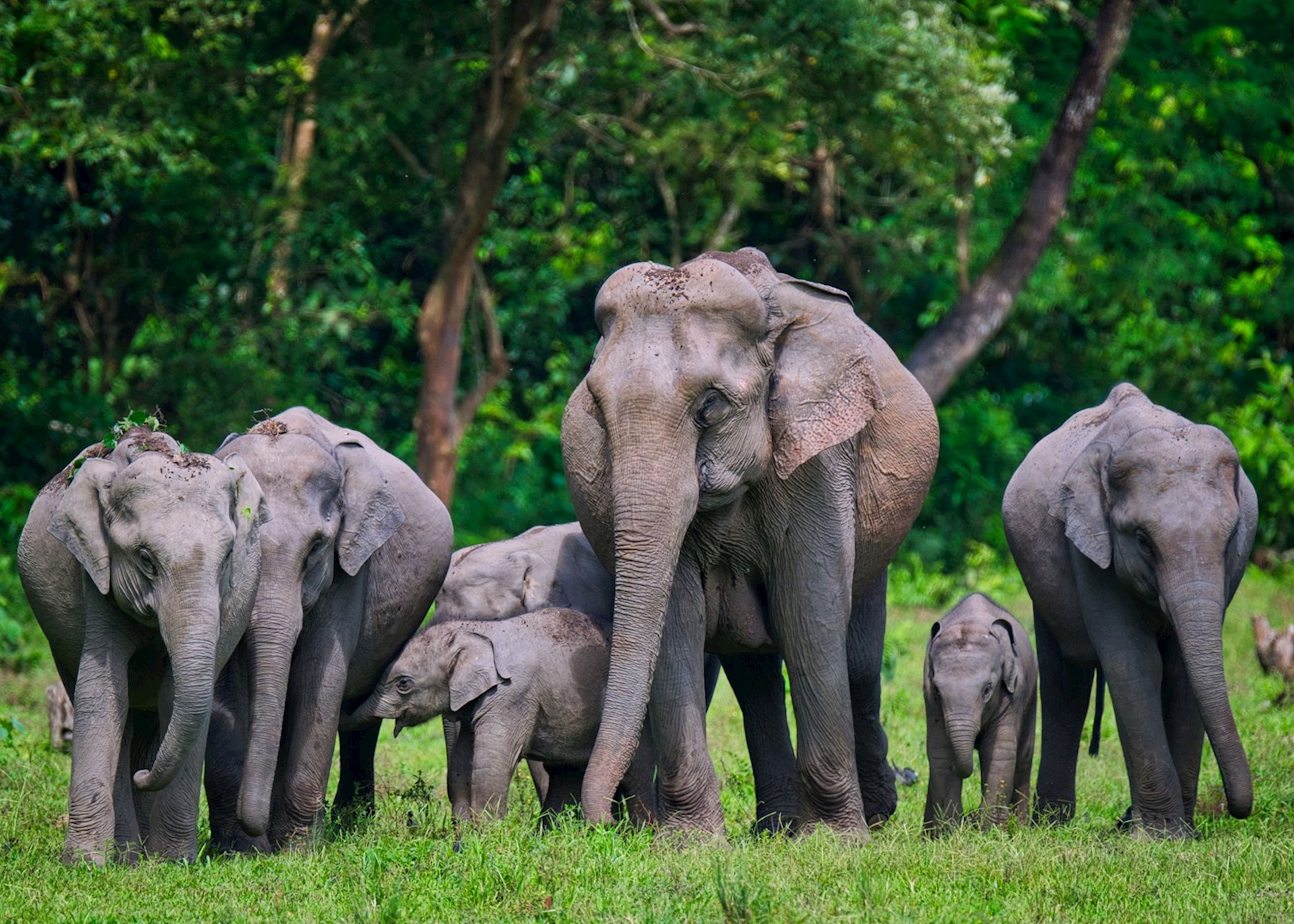
- Achieved a near-100% success rate in repelling wild animals, especially elephants.
- Early field reports confirm unprecedented efficacy in deterring wild animal intrusions.
Future Plans:
- Forest authorities are considering the rollout of this AI technology to additional wildlife hotspots due to its demonstrable success.
Significance of the Initiative:
- This initiative plays a crucial role in addressing human-wildlife conflict, which is essential for the safety of human populations living near forest areas and for preserving wildlife.
Implications for Wildlife Conservation:
- Positive impact on both human safety and animal conservation efforts through effective management of wild animal populations.
Government Schemes and Policies:
- This deployment aligns with broader conservation and wildlife management policies aimed at reducing conflict and protecting biodiversity under initiatives related to the forest management by the state authorities.
Technological Advancements:
- Highlights the application of AI and technology in environmental management, which can serve as a model for other regions globally facing similar challenges.
Conclusion: The 'Farmguard' AI system represents a significant advancement in managing wildlife interactions, demonstrating the potential benefits of integrating technology into environmental conservation strategies. This initiative not only aids in protecting human communities but also supports the welfare of wildlife in their natural habitat.
Key Terms & Concepts
| AI-driven digital sentry system | Technology in wildlife management |
| Farmguard | System for deterring wild animals |
| Kerala | Location of implementation |
| Thiruvananthapuram | Site of pilot project |
| Kollam, Thrissur, Palakkad | Areas of system expansion |
| near-100% success rate | Effectiveness of the technology |
| August 07, 2026 | Publication date |