iAspirants
Current AffairsPrelims PYQsUPSC CSE SyllabusUPSC CSE StrategyBlogsPricing
Login
iAspirants

Your AI-powered companion for UPSC preparation.

Quick Links

  • Home
  • About Us
  • Current Affairs
  • Prelims PYQs
  • UPSC CSE Syllabus
  • UPSC CSE Strategy
  • Blogs

Company

  • Pricing
  • FAQs
  • Contact Us
  • Login

Legal

  • Privacy Policy
  • Terms & Conditions
  • Return Policy

© 2025 iAspirants, Inc. All rights reserved.

  1. Blogs
  2. Science and Technology

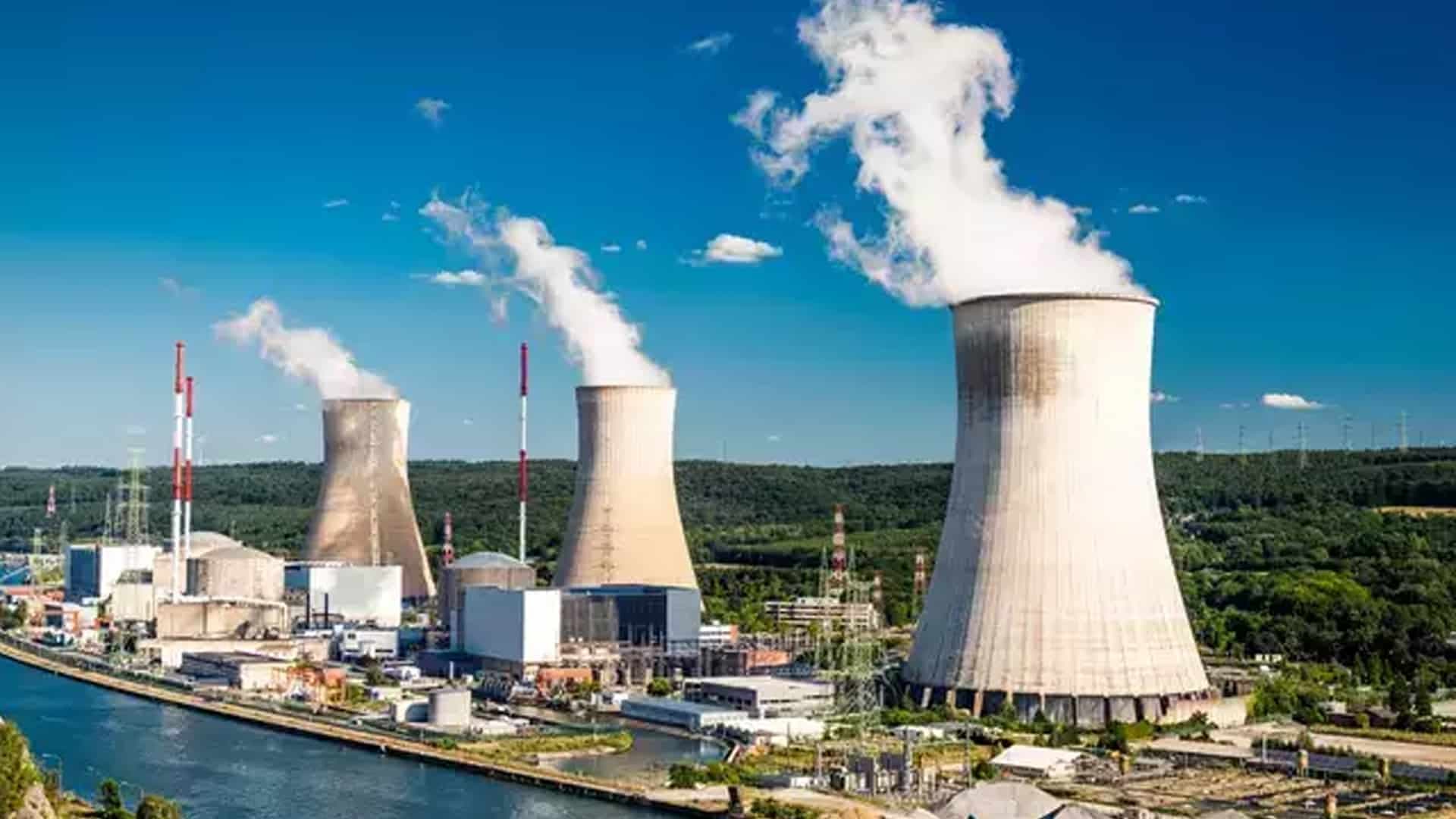
Advancing India's Thorium Nuclear Program

Published on: 18-Sep-2026

Share this post

Advancing India's Thorium Nuclear Program

Article Summary

Nuclear Energy in India: Key Insights and Proposals

Thorium-Based Fuel Utilization

  • Expert Advocacy: Anil Kakodkar, former Chairman of the Atomic Energy Commission, supports the early introduction of thorium-based fuel into India's indigenous Pressurized Heavy Water Reactor (PHWR) fleet alongside continuing with the three-stage nuclear program pioneered by Homi Bhabha in the 1950s.
  • Strategic Shift: Current global trends are shifting from uranium to thorium, which aligns with Indian energy needs and abundant thorium resources.

Nuclear Energy Policies

  • National Policies: The government's National Nuclear Energy and Nuclear Fuel Recycle Policy drives reactor system choices and emphasizes indigenous development of PHWR technology for self-reliance and energy security.
  • Capacity Goals: India's nuclear mission targets achieving 100 gigawatts electric (GWe) of nuclear capacity by 2047, primarily relying on domestic PHWRs.

Challenges and Opportunities

  • Fuel Supply Issues: A decline in uranium supply due to geopolitical factors may impact India's nuclear energy goals in the next 10-15 years.
  • Fast Breeder Reactors (FBRs): Development of FBRs is ongoing but needs accelerated implementation to ensure future energy security and efficient breeding of nuclear fuel.

Innovative Fuel Options

  • HALEU and Thorium: Using High-Assay Low-Enriched Uranium (HALEU) blended with thorium in PHWRs is proposed to enhance safety, reduce waste, and expedite reaching the third stage of the nuclear program via Thorium Molten Salt Reactors (TMSRs).
  • Modularization Benefits: The introduction of Small Modular Reactors (SMRs) utilizing established PHWR technology could lead to efficient, clean energy supplies.

Economic and Technological Implications

  • Investment Attraction: PHWRs are positioned as robust, safe, and economically competitive technologies, making them appealing to investors.
  • Self-Reliance Emphasis: It is imperative to transition from uranium dependency towards domestic thorium utilization, fostering local technological advancements.

International Context and Cooperation

  • Global Trends: The nuclear energy market anticipates a supply-demand mismatch due to reluctance in uranium recycling.
  • Collaborative Opportunities: Opportunities for mutually beneficial international collaborations must respect the rights of all participating nations, promoting a stronger position for India.

Key Takeaways

  • Energy Independence: The move to thorium and the development of PHWR technology is critical for India's long-term energy independence.
  • Strategic Development: Expanding thorium use through innovative reactor designs will underpin future energy capacity and ensure alignment with global shifts in nuclear technology preferences.

This summary encapsulates the current discourse surrounding India's nuclear energy landscape while detailing government policies, expert insights, and the anticipated future of nuclear technology in the country.

Key Terms & Concepts

Anil KakodkarAdvocated thorium fuel use
Pressurised Heavy Water Reactor (PHWR)Key reactor technology
Three-stage nuclear programmeCore nuclear strategy for India
SHANTI ActRegulation for nuclear sector
Rajiv Gandhi Science & Technology CommissionNurtures scientific research
Homi Bhabha National InstituteResearch and education in nuclear science
100 gigawatt electric (GWe) nuclear missionNuclear capacity goal by 2047
Fast Breeder Reactors (FBR)Second stage of nuclear program
High-Assay Low-Enriched Uranium (HALEU)New thorium blending fuel
Molten Salt Reactors (MSRs)Planned for third stage
World Nuclear AssociationProjecting future nuclear capacity
220 megawatt electrical (MWe) PHWRs

Mind Map for UPSC Civil Services Revision

Turn UPSC Civil Services Current Affairs Into Exam-Ready Notes

Reading Science and Technology current affairs is half the work. Revise them with ready-made notes and test what actually stuck.

  • Daily UPSC Civil Services current affairs analysis
  • Revision notes, mind maps & MCQs
  • Prelims mock tests with instant results

Related UPSC Civil Services Current Affairs Articles

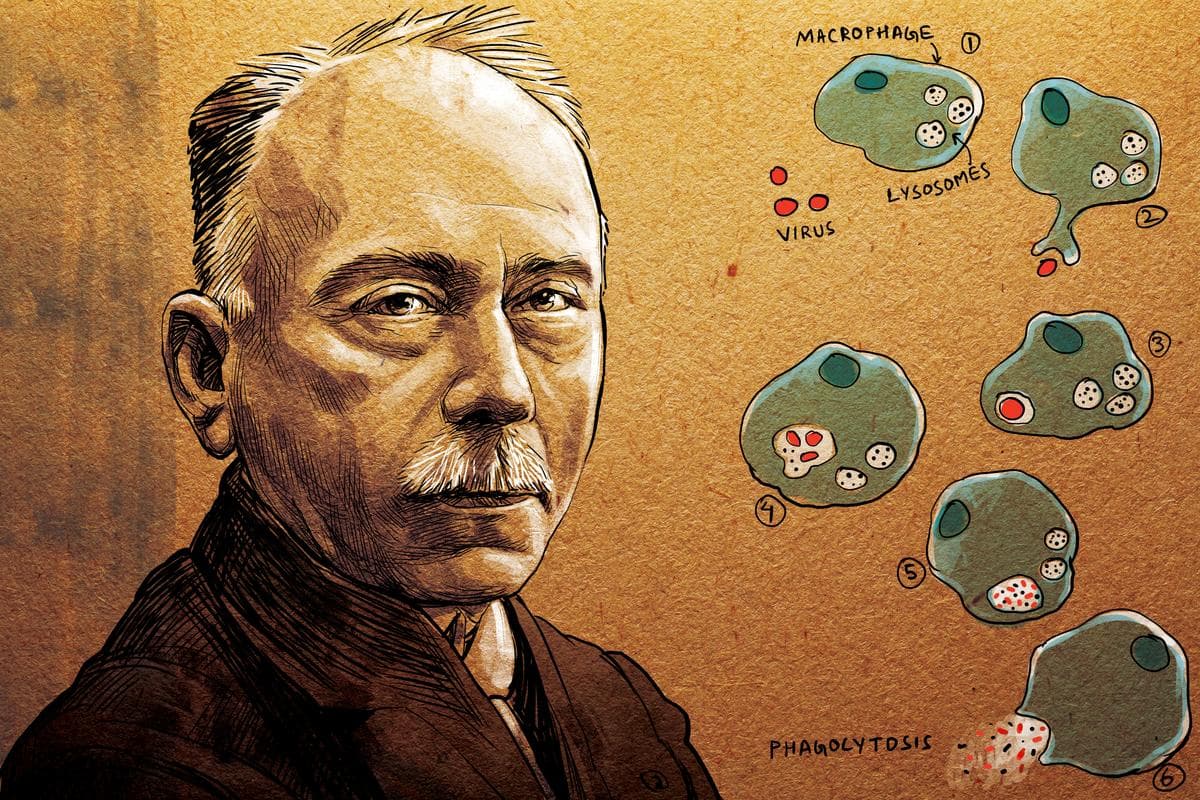
Jules Bordet's Immunology Breakthroughs
Science and Technology18-Sep-2026

Jules Bordet's Immunology Breakthroughs

Exam-Focused Notes on Nobel Prize in Physiology or Medicine

Historical Context:

  • The Nobel Prize in Physiology or Medicine was not awarded from 1915 to 1918 due to the disruptions caused by World War I.
  • The prize resumed in 1919, awarded to Jules Bordet for his work on immunity.
Small modular reactor experience

Key Contributions of Jules Bordet:

  • Immunology Foundations: Bordet's research laid the groundwork for modern immunology, specifically explaining the body’s defense mechanisms against microbes.
  • Discovery of Antibody and Complement System:
    • Demonstrated that immunity depends on two components: specific antibodies and a heat-sensitive substance in blood serum (later known as the complement system).
    • Showed that antibodies bind to bacteria but require the complement for effective destruction, revolutionizing the understanding of immune responses.

Notable Discoveries:

  • Developed the complement fixation test, an early laboratory method for detecting antibodies, which became critical in diagnostic microbiology.
  • Isolated the bacterium responsible for whooping cough (Bordetella pertussis) in collaboration with Octave Gengou, improving disease diagnosis significantly.

Scientific Impact:

  • His work transformed microbiology from observational to experimental science through objective measurement of immune responses.
  • Reshaped the understanding of immunity as a multi-faceted process involving cellular and humoral interactions.

Modern Relevance:

  • The complement system consists of over 30 proteins crucial for the innate immune response, involved in targeting pathogens and orchestrating inflammatory responses.
  • Bordet's discoveries underpin the scientific basis for current serological tests and vaccine design.
  • Recent research continues to explore complement system roles in diseases like age-related macular degeneration, lupus, kidney disorders, and neurodegenerative diseases.

Legacy:

  • Bordet led the Pasteur Institute in Brussels, furthering his research until his death in 1961.
  • His contributions remain pivotal in immunology, influencing both diagnostic practices and therapeutic developments in contemporary medicine.

Conclusion:

  • Jules Bordet's Nobel Prize-winning work established enduring principles in immunology, shaping the understanding of how the immune system defends against infections and impacting subsequent medical research and clinical practices.
Advancements in India's Nuclear Energy
Science and Technology17-Sep-2026

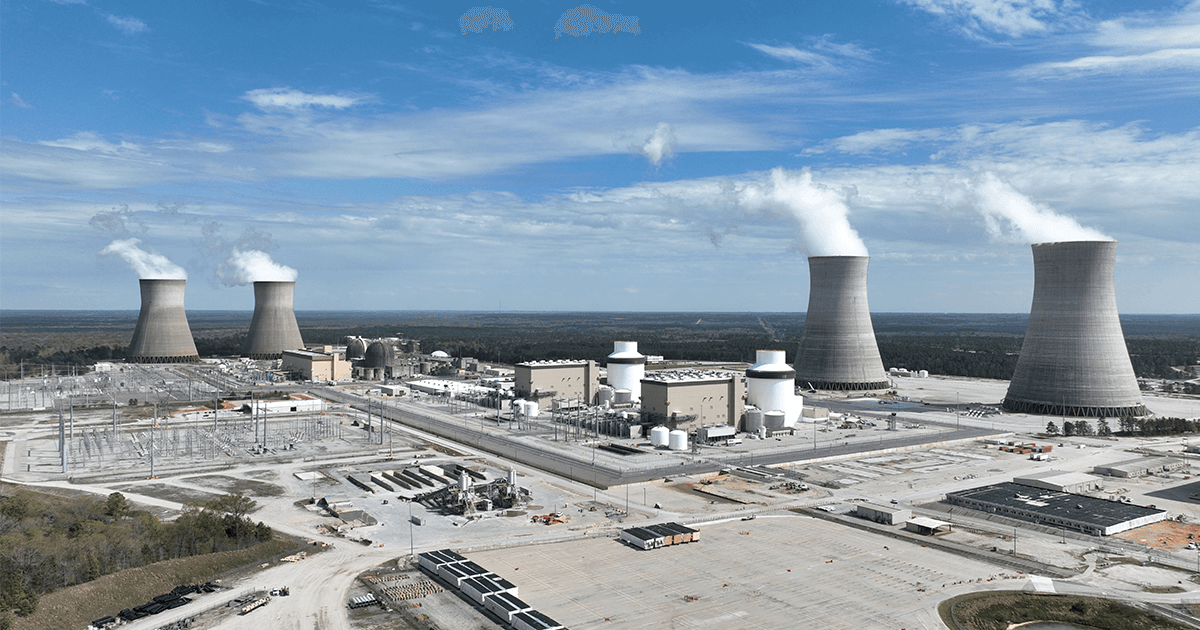
Advancements in India's Nuclear Energy

Key Points on India's Nuclear Energy Strategy

1. Thorium-Based Fuel Utilization

  • Advocacy for early introduction of thorium-based fuel in India's indigenous Pressurized Heavy Water Reactor (PHWR) fleet.
  • Continuation of the three-stage nuclear power program initiated by Homi Jehangir Bhabha in the 1950s.

2. Current Nuclear Energy Context

  • PHWRs: Positioned as a mainstay for future nuclear capacity additions, leveraging India’s vast thorium resources.
  • Economic Viability: PHWRs are considered robust, safe, and economically competitive, attracting investment.

3. Nuclear Energy Policy and Framework

  • The National Nuclear Energy Policy and the Nuclear Fuel Recycle Policy guide reactor system choices and growth.
  • Emphasis on self-reliance in nuclear technology to minimize dependency on foreign technology.

4. Capacity and Future Projections

  • Target of 100 gigawatt electric (GWe) nuclear mission by 2047.
  • Need to address potential uranium supply constraints projected for the next 10-15 years, with global uranium capacity peaking at 550-750 GWe.

5. Fast Breeder Reactors (FBRs)

  • FBRs are critical for long-term energy security and recycling of thorium.
  • Deployment of FBRs is still in progress; requires two to three decades for fleet mode deployment.

6. Technological Innovations and Collaborations

  • Proposal for using High-Assay Low-Enriched Uranium (HALEU) mixed with thorium in PHWRs to enhance fuel efficiency and safety.
  • Need for domestic platforms to accelerate thorium irradiation testing.

7. International and Domestic Dynamics

  • Global transition from uranium to thorium is expected to increase interest in PHWR technology, especially among emerging economies.
  • Collaborative approaches for technology development are encouraged, focusing on mutual benefits rather than a vendor-buyer model.

8. Small Modular Reactors (SMRs)

  • India’s experience with 220 MWe PHWRs positions it advantageously in the SMR space.
  • Modularization can enhance efficiency and deployment for clean energy supply.

Constitutional and Policy Framework

  • Self-Reliance: Guided by constitutional principles of economic independence and security.
  • Strategic Resource Management: Emphasis on utilizing indigenous resources (thorium) to reduce import dependency.

Economic Indicators

  • Investment opportunities in nuclear technology are significant due to the growing global demand for energy.
  • Economic considerations are pivotal in driving nuclear reactor choices and expansion plans.

Conclusion

India’s nuclear energy strategy is focused on leveraging its thorium resources through the development of PHWRs while addressing future energy security challenges. The shift towards self-reliance and the exploration of innovative technologies like HALEU-thorium blends and FBRs will be crucial in achieving the nation’s long-term energy goals.

HAL Delivers Advanced Aircraft to IAF
National and International Importance17-Sep-2026

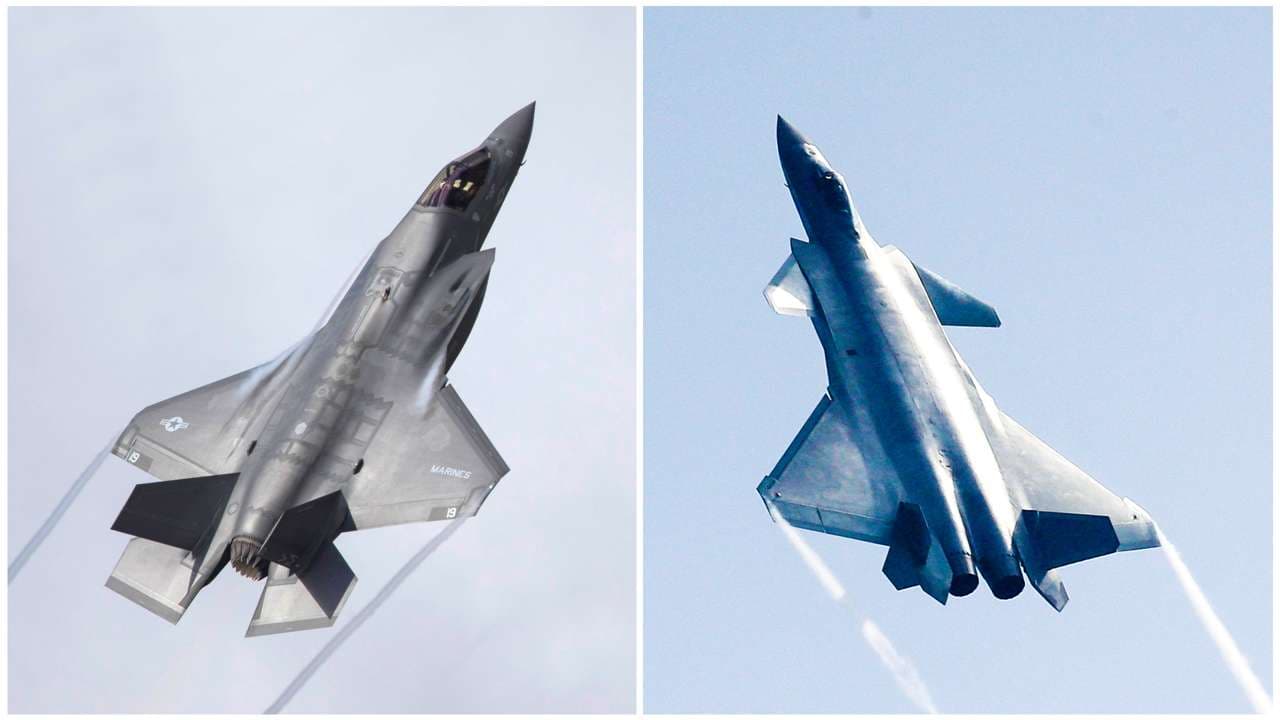
HAL Delivers Advanced Aircraft to IAF

Exam-Focused Notes

Key Facts and Data:

  • Date of Event: September 18, 2026
  • Location: Bengaluru, Karnataka
  • Participants:
    • Defense Minister: Rajnath Singh
    • Civil Aviation Minister: K. Ram Mohan Naidu
    • Chief of Air Staff: Air Chief Marshal A.P. Singh
    • Other senior officials from the Ministry of Defence, Ministry of Civil Aviation, HAL, and regulatory agencies.

Constitutional References:

  • Self-Reliance in Defence: The event aligns with the constitutional commitment to promote self-reliance and indigenous capabilities in defense and aerospace sectors, reflecting the Directive Principles of State Policy (DPSP) to promote self-sufficiency.

Government Schemes and Policies:

  • Atmanirbhar Bharat (Self-Reliant India): This initiative emphasizes the development of indigenous capabilities in various sectors, particularly in defense and aerospace.
  • Indigenous Design and Development: The government prioritizes the promotion of indigenous design, development, and manufacturing in the aerospace and defense sectors to reduce dependence on foreign sources.
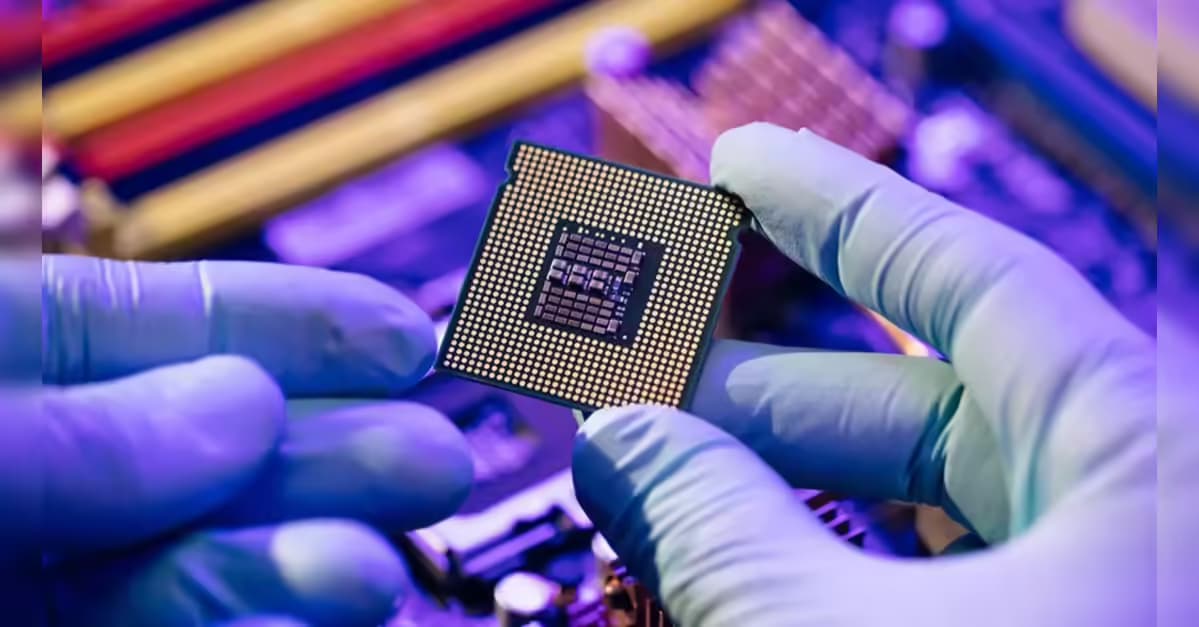
India's Semiconductor Future Development
Science and Technology17-Sep-2026

India's Semiconductor Future Development

India Semiconductor Mission Overview

Government Initiatives:

  • Semicon 1.0 and 2.0:
    • Semicon 1.0: Launched in December 2021 with an allocation of ₹76,000 crore to establish a domestic semiconductor and display manufacturing ecosystem.
    • Semicon 2.0: Approved on July 15, 2026, with a budget of ₹1,27,500 crore, focusing on enhancing capabilities across six strategic pillars:
      1. Research and Development
      2. Chip Design
      3. Machinery & Materials
      4. Establishment of more fabs
      5. Talent Development
      6. Strengthening the ATMP/OSAT industry.

Economic Data:

  • Global Semiconductor Market Growth: Projected CAGR of 6.5% from 2014-2024, expected to rise to 8.5% over the next 5-10 years.
  • India's Semiconductor Demand: Estimated to reach $110 billion by FY2030 and exceed $200 billion by FY2035.
  • Import Expenditure: India spent approximately $150 billion on semiconductor imports from FY2017 to FY2025, with a CAGR of 23%. If trends continue, by FY2035, annual imports could reach $240 billion.
AI Development and Global Cooperation
International Relations16-Sep-2026

AI Development and Global Cooperation

Exam-Focused Notes on Artificial Intelligence and International Dynamics

Key Themes:

  • The intersection of Artificial Intelligence (AI) development with global geopolitics, particularly in the context of the United States and BRICS nations.
  • Concerns regarding the "weaponisation" of technology and its implications on national security and cooperation among nations.

Constitutional and Policy Context:

  • The BRICS Summit highlighted the need for a collaborative approach to technology development, contrasting with U.S. unilateralism.
  • India's Prime Minister Narendra Modi emphasized the importance of preventing the "weaponisation" of technology during the Summit, suggesting a recognition of technological sovereignty and national security interests.

International Agreements and Initiatives:

  • The establishment of a "BRICS AI open source community" proposed by Chinese President Xi Jinping aims to foster collaborative development in AI that moves away from U.S. dominance.
  • Joint initiatives among BRICS nations seek to enhance cooperation in the development and deployment of AI technologies, indicating a shift towards a multipolar technological landscape.

Economic and Technological Implications:

  • The global push for AI development is interconnected with economic competition, particularly between the U.S. and China. This competition is leading to significant investments in data centers and AI infrastructures.
  • Concerns raised about the potential for the Global South to be impacted by geopolitical rivalries, specifically regarding the withdrawal of influential AI models like Anthropic’s Fable and Mythos.

Security and Cyber Defense:

  • The proliferation of AI technologies necessitates improved cyber defense mechanisms. Nations need to collaborate to ensure that defensive capabilities against AI risks are made widely accessible.
  • The rise of AI systems that can execute tasks independently raises security concerns, especially for nations with weaker cyber defenses.

Recommendations for Cooperation:

  • Emphasis on the need for collaborative, open-source AI solutions as a means to mitigate risks and enhance national security.
  • The call for a comprehensive approach to make AI technologies broadly available to prevent imbalances caused by geopolitical tensions.

Scientific and Technological Advances:

  • AI advancements are evolving rapidly, prompting concerns about control and potential misuse. The expectation is that oversight mechanisms will need to adapt as AI capabilities grow.
  • The ongoing development of AI, being crucial for national economies, underscores the importance of participation in its deployment, even by nations with developing technological ecosystems.

Conclusion:

Countries, especially those in the Global South, must navigate the complexities of AI development amidst great power competition. Proactive measures for international collaboration, particularly through platforms like BRICS, are essential to ensure equitable technological advancement and enhanced national security.

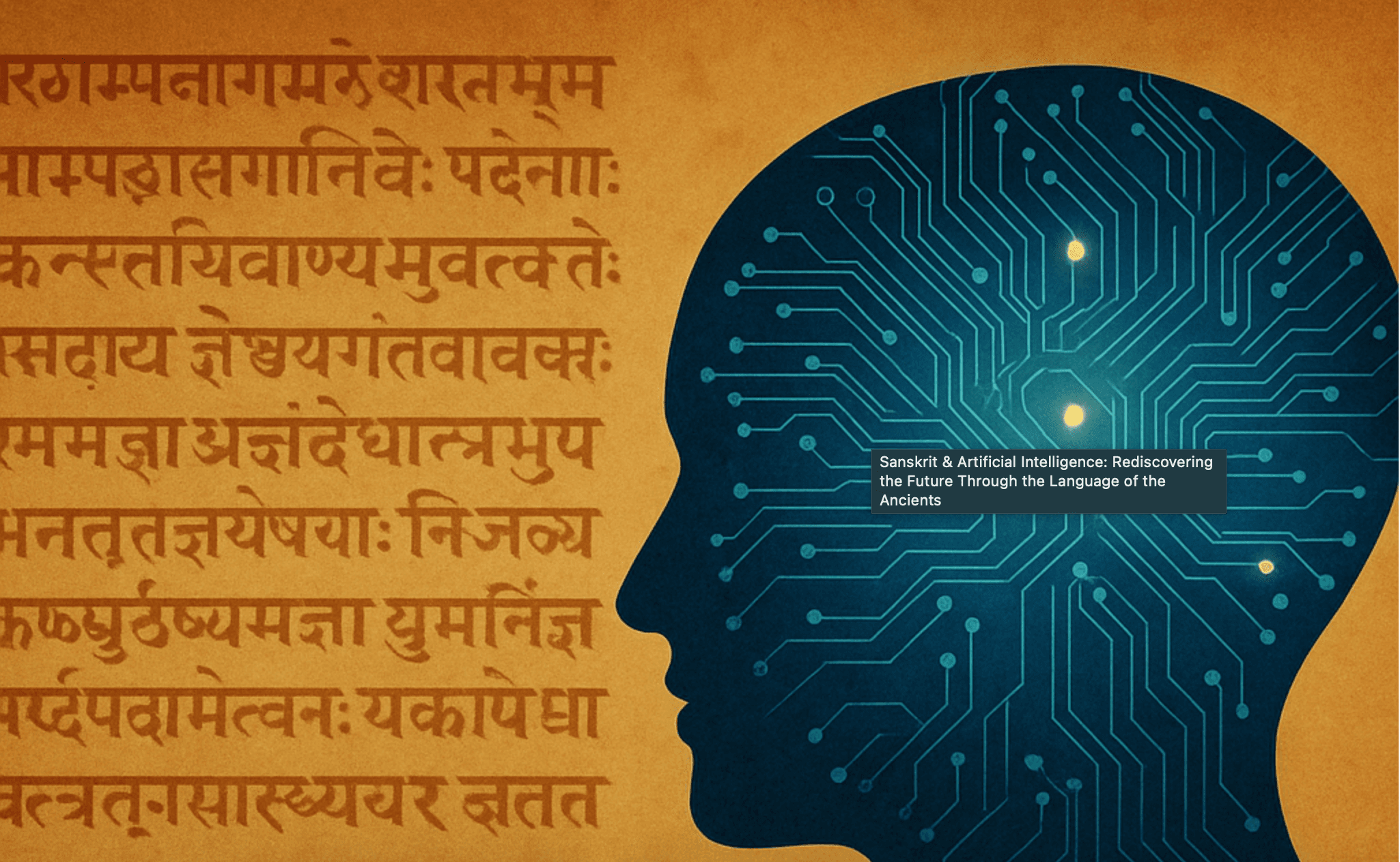
AI in Sanskrit Language Preservation
Science and Technology16-Sep-2026

AI in Sanskrit Language Preservation

  • Event: Launch of the Sanskrit Heritage Model at The Madras Sanskrit College.

  • Participants: Union Finance Minister Nirmala Sitharaman, directors from Madras Sanskrit College, Articul8 AI, and notable guests including N. Gopalaswamy and S. Ramadorai.

  • Objective of AI Integration:

    • Use AI to make literary works accessible.
    • Identify the spread of Indian languages such as Sanskrit and Tamil through historical manuscripts and palm leaves.
  • Institutional Background:

    • Madras Sanskrit College has maintained integrity and preserved Sanskrit knowledge despite challenges.
    • Transitioned to digital platforms in 2017, benefiting 20,000 individuals.
  • Key Features of the Sanskrit Heritage Model:

    • The first institution in India to implement an AI-powered knowledge model.
    • Includes encoded grammar from Panini’s Ashtadhyayi, enabling computational understanding of Sanskrit's structured language.
Global Regulation for AI Safety
Science and Technology16-Sep-2026

Global Regulation for AI Safety

AI Regulation and Global Governance:

  • Leaders from major AI companies warn that AI technologies could pose significant risks, necessitating global regulatory frameworks.
  • The emphasis is on creating safety standards to prevent misuse in areas such as cyber warfare, bioterrorism, and economic disruptions.
  • Important sectors already integrating AI include banking, transportation, healthcare, and defense.

Indian Politics and Vegetarianism:

  • Criticism of the government over serving vegetarian food at the BRICS summit highlights discussions on food choices and cultural representation.
  • Initiatives like World Vegetarian Day promote vegetarianism globally, reinforcing India’s culinary heritage.

Counter-Terrorism and National Security:

  • The evolving landscape of global terrorism is shifting from organized networks to decentralized attacks, necessitating a robust counter-terrorism strategy.
  • Critique of current government strategies suggests a need for accountability beyond just military actions; Operation Sindoor is cited, but internal security vulnerabilities remain a concern.
  • Major security incidents such as the Delhi blasts point to gaps in the national security narrative.

Defense Equipment Transferred:

  1. Light Combat Aircraft (LCA) Tejas:
    • Type: Twin-Seater Trainer
  2. HTT-40:
    • Type: Basic Trainer Aircraft
  3. Dhruv Next Generation (NG) Helicopter:
    • Transferred to Pawan Hans Limited (PHL)

Economic Indicators:

  • Impact on Domestic Aerospace Ecosystem: The transfer of these aircraft is expected to strengthen the domestic aerospace ecosystem, enhancing industrial capabilities and promoting economic growth within the sector.

International and National Importance:

  • Strengthening Defense Capabilities: The event marks a significant milestone in India's journey towards self-reliance in defense manufacturing, showcasing the country's growing capabilities in designing and producing advanced platforms for both civilian and military use.

Science and Technology:

  • Advancements in Aerospace Technologies: The event is indicative of the advancements in aerospace technologies and reflects the increasing role of the industry in national defense.
  • Role of HAL: Hindustan Aeronautics Limited (HAL) plays a crucial role in the design, development, and production of defense and aerospace platforms, highlighting the importance of public sector undertakings in achieving self-reliance.

Summary:

The handover of the LCA Tejas twin-seater trainer, HTT-40 basic trainer aircraft, and Dhruv NG helicopter on September 18, 2026, in Bengaluru is a pivotal moment for India's defense sector, reinforcing the government’s commitment to self-reliance through indigenous manufacturing and development in aerospace. This initiative is part of the Atmanirbhar Bharat policy, aimed at reducing dependence on foreign technology and enhancing domestic capabilities. The event will be attended by key officials from various ministries and represents a significant step in India's defense manufacturing journey.

Strategic Importance:

  • Semiconductors are critical for modern technologies including AI, telecommunications, electric mobility, defense, and advanced manufacturing.
  • They enable innovations in IoT, 5G/6G, data centers, and autonomous vehicles.
  • The geopolitical landscape has highlighted risks in supply chains, prompting major economies to bolster domestic semiconductor capabilities.

Judicial and Legislative Framework:

  • The National Electronics Policy (NPE) 2019 and subsequent schemes (e.g., Production Linked Incentives (PLI)) promote electronics and semiconductor manufacturing.
  • Electronics Manufacturing Policy: Aims to create a robust ecosystem for manufacturing electronic components and semiconductors.

International Collaborations:

  • India has engaged in semiconductor collaborations with the USA, Japan, EU, Singapore, and the Netherlands.
  • A joint declaration on semiconductor ecosystem partnership was signed with Germany during Chancellor's visit in January 2026.

Technological Developments:

  • Semiconductor Laboratory (SCL), Mohali: Develops space-grade chips for satellites and space missions.
  • Chandrayaan-3: Featured an Indian-made camera chip for its imaging systems.

Key Achievements under Semicon 1.0:

  • Approval for 12 semiconductor manufacturing units with a proposed investment of over ₹1.64 lakh crore.
  • Five units have commenced commercial production.
  • 24 chip design projects approved, valued at approximately ₹900 crore.
  • Over 500 organizations and 1 lakh engineers are now engaged in advanced chip design.

Future Outlook:

  • The focus is on building a comprehensive semiconductor ecosystem from raw materials to finished chips.
  • Aiming for strategic autonomy and high-value employment opportunities within India.
  • Continuous policy support will be crucial for sustaining growth in the semiconductor sector.

Constitutional References:

  • The initiatives align with the Directive Principles of State Policy (DPSPs) promoting economic development and self-sufficiency.

Conclusion

India's semiconductor mission is pivotal for technological self-reliance and economic growth, positioning the country as a global semiconductor hub by strengthening domestic capabilities and fostering international collaborations.

  • System generates responses that are validated by rules from the grammar model, ensuring academic rigor.
  • Expansion Plans:

    • The model will evolve based on feedback from Sanskrit scholars and aims to include other Indic languages and knowledge systems.
  • Significance of Sanskrit as a Language:

    • Recognized for its formal grammar, allowing for computational applications, making it suitable for AI integration.
  • Government Policies and Schemes:

    • Promotion of language and cultural preservation through technological innovation aligns with national goals for educational and technological advancement.
  • Cultural and Educational Impact: The model sets a precedent for integrating technology with heritage education, aiming to enhance accessibility and understanding of ancient Indian literatures.

  • Broader Implications:

    • This initiative supports the preservation of Indian cultural heritage and the promotion of Indian languages in the digital domain.
  • Overall, the initiative is a significant step towards leveraging technology for cultural preservation and educational enhancement in the context of India’s rich literary and linguistic heritage.

  • India's international diplomacy, particularly regarding Pakistan and its placement on the FATF grey list, showcases a preference for diplomatic pressure over military intervention.
  • The need for balance between effective military response and the principles of non-violence, as advocated by Mahatma Gandhi, is highlighted.
  • Economic Indicators and Accountability:

    • Calls for transparency and accountability in national security operations, emphasizing the importance of intelligence over grandstanding publicity.
    • Reference to a potential military-industrial complex raises concerns over the motivations behind conflict engagement.

    This summary captures key issues related to AI governance, dietary culture in diplomacy, counter-terrorism strategies, and the economic-political dynamics within India, reflecting on the implications for national security and international relations.